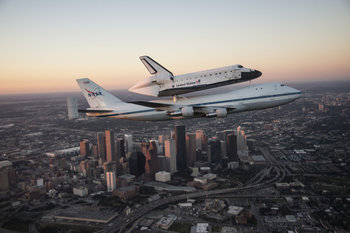











Aircraft | Autonomous ships |
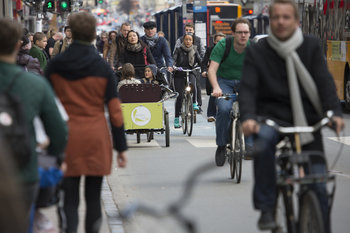
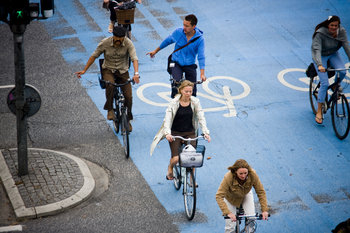
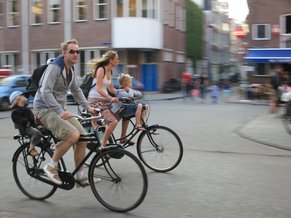
Barges | Bicycles |
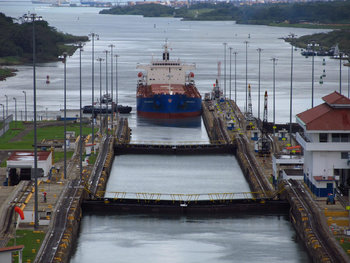
Boats | Bulk carriers |
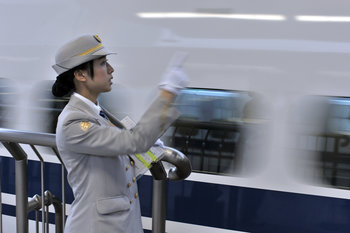
Bullet trains | Buses |
Cable cars | Canoes |
Cargo ships | Cars |
Cold chain – transport and delivery of things that must remain cool or cold | Container ships |
Drones | Electric cars |
Elevators | Escalators |
Ferries | Forklifts |
Freight trains | Hiking |
Horse drawn carriages | Horseback riding |
Ice skating | Inline skating |
Jogging | Last mile – delivery of things to homes and businesses |
Maglev trains | Monorails |
Motorcycles | Moving walkways |
Pipelines | Robotic delivery systems |
Sailboats | Scooters |
Ships | Skateboards |
Skiing | Snowmobiles |
Spacecraft | Subways |
Taxis | Trains |
Trams | Trucks |
Unmanned aerial vehicles | Walking |
Transportation Longevity
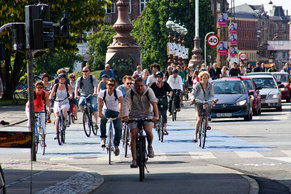
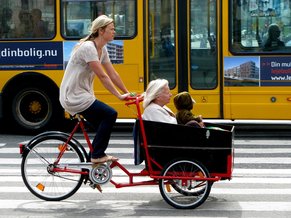
Transportation longevity is the ability for a transportation technology to remain in use over many decades or centuries. In the history of transportation, there have been innovations such as passenger airships, or aerostats, that emerged as relatively advanced technologies of the day only to quickly become obsolete. It is also possible for mainstays of the transportation system such as the stream trains and steamships of the 19th century to be supplanted by newer technologies. Other types of transportation, such as the sailboat and bicycle, appear that they can stand the test of time -- remaining in popular use while more technologically advanced vehicles come and go. For example, it is possible or even likely that the bicycle may outlast vehicles based on internal combustion engines such as the car.Summary
Transportation is the movement of people and goods from origin to destination. This includes transportation technologies such as a train and modes of transportation such as walking.