A government is the system that organizes life in a place such as a nation, state or city. This allows the people who live in a place to share resources and pursue common goals. Governments provide structures intended to improve quality of life such as an economic, political and legal system. Governments also directly provide services to the people such as education.
Political System
A political system is a framework for making shared decisions as a group. This is often based on democracy whereby the people vote for representatives in government.
Corruption
In some cases, the government doesn't actually work as spelled out by the political system. For example, a democracy is supposed to exclusively run by the people with no special power for elites or corporations. In reality, these entities may have much influence.
Separation of Powers
A political system can be separated into branches such as an Executive, Legislative and Judicial branch. This is intended to create a balance of power where no one individual holds too much authority.
Economic System
Governments provide an economic system by issuing money and regulating financial institutions and markets. This includes a wide range of functions including monetary policy that sets base interest rates and trade agreements with other nations.
Social Contract
The social contract is the theory that people give up some freedoms and take on some duties in exchange for the benefits of society. For pragmatic reasons this isn't actually optional as you can't have people randomly stating that laws and taxes don't apply to them. However, this is the theory that is the philosophical justification for government.
Rights
Rights are the obligations of the government to the people such as a right to an education.
Freedoms
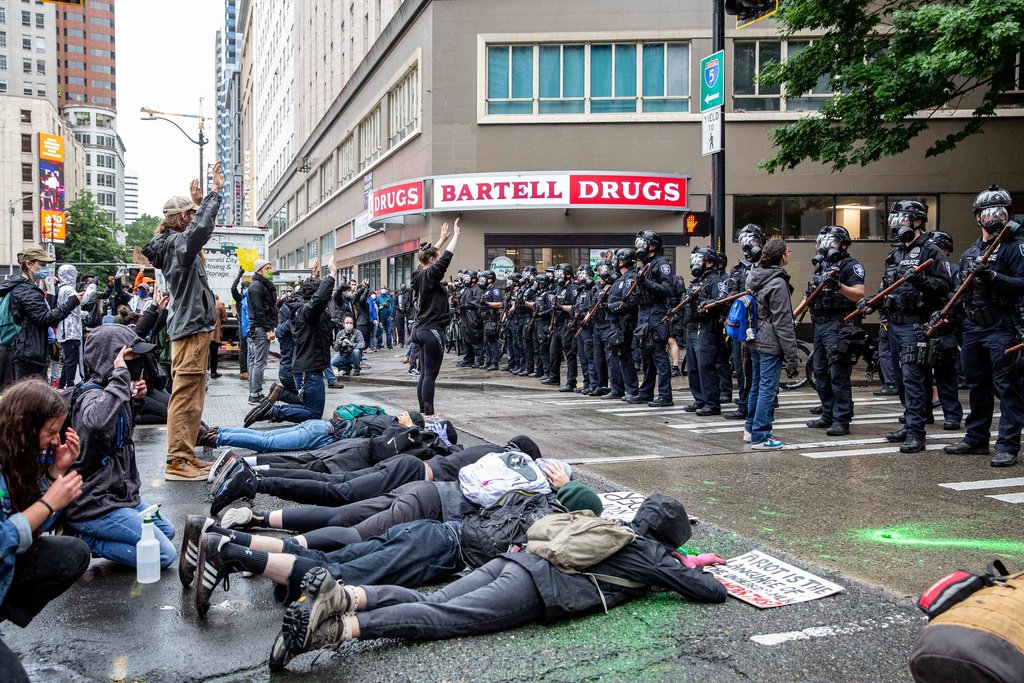
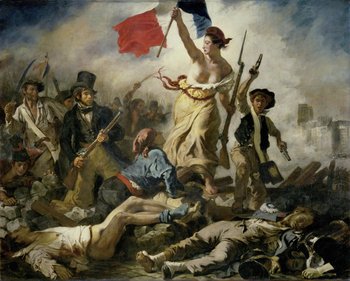
Freedoms are limits to government power. Governments, as with all power structures, may tend to try to expand their powers over time whereby they will tend to chip away at freedoms. As such, the people must constantly work to defend their freedom with mechanisms such as protests and free speech. As such, freedom of speech, freedom of association, freedom of movement and freedom of assembly are root freedoms that defend all others.
Laws & Policies
Governments establish laws and policies rooted in these laws. The establishment and repealing of laws is part of the political process whereby the people, in theory, set the law in a democracy.
Law Enforcement
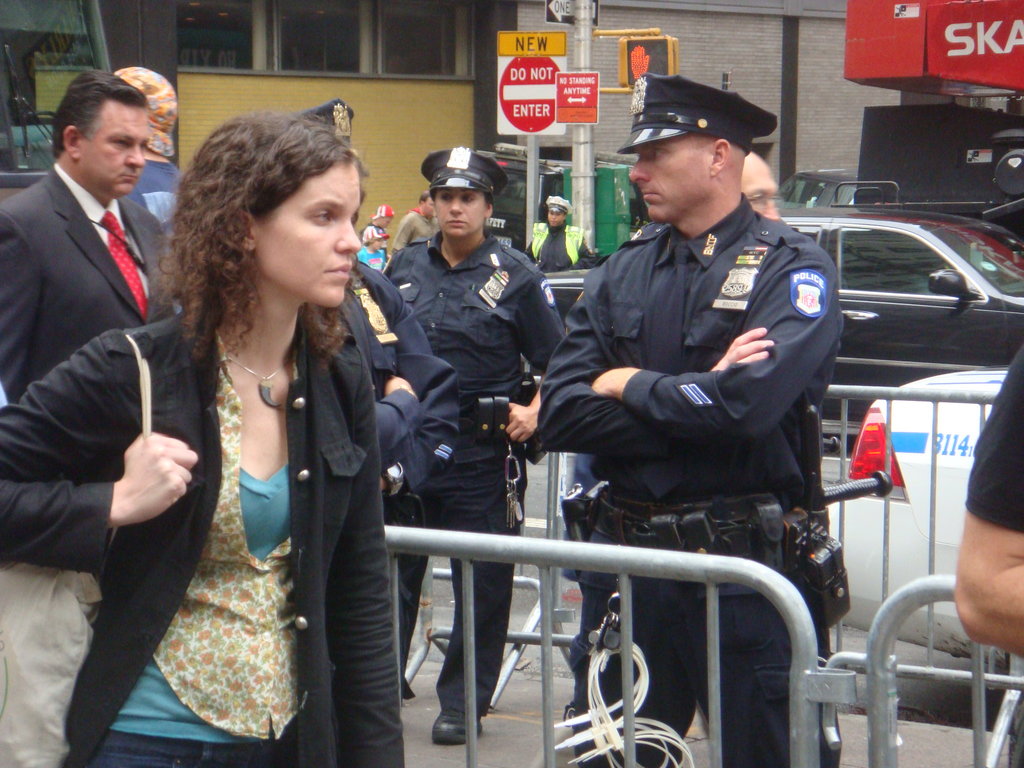
Government provides enforcement of the law and tries to guarantee the basic safety and security of society.
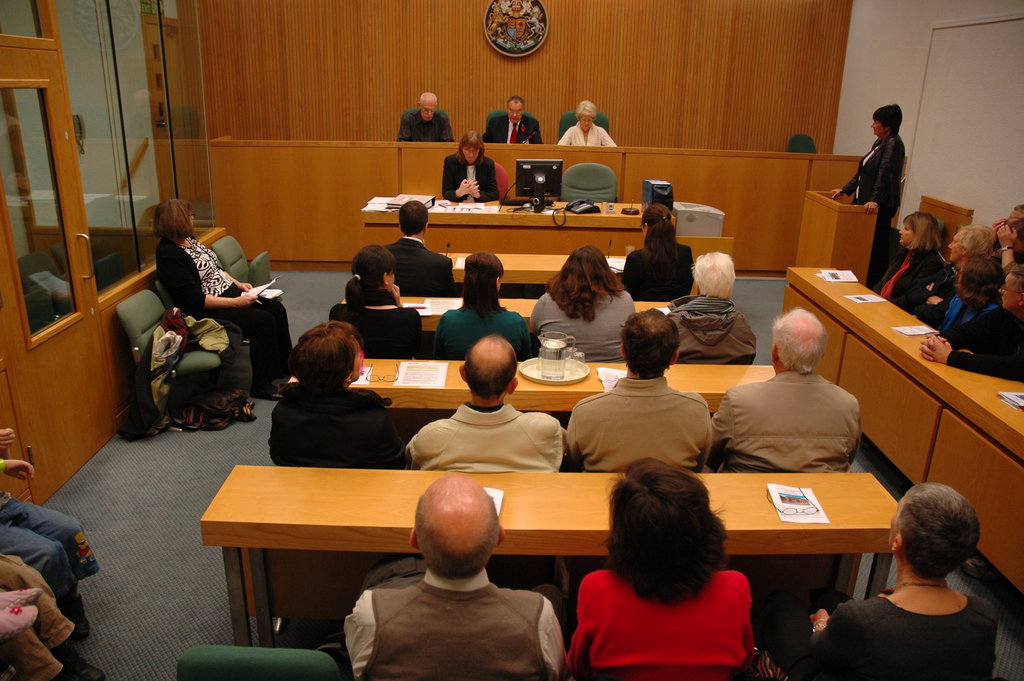
Justice System
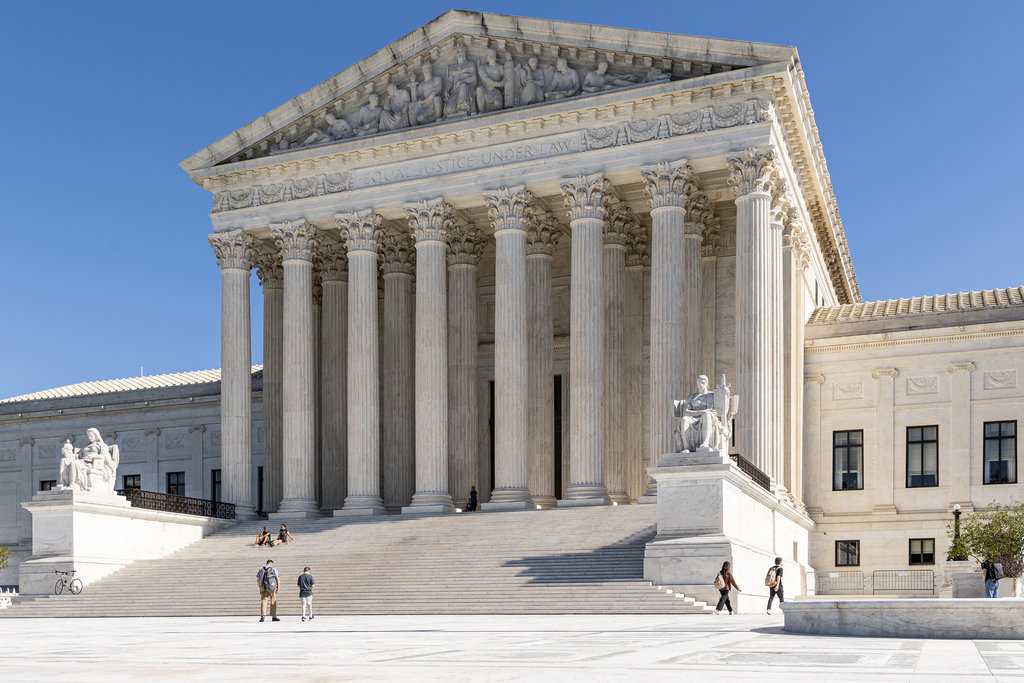
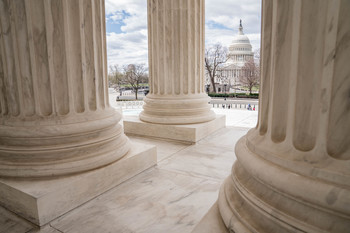
The institutions, structures and processes that interpret the law, prosecute offenses and resolve disputes within a society. This includes the Judicial branch of government that ensures the other branches of government don't overstep their authority.
Taxation
The government taxes the people and companies. This can include a variety of taxes such as income tax, tariffs and sales tax. Taxes are intended to fund government functions and public services.
Social Security
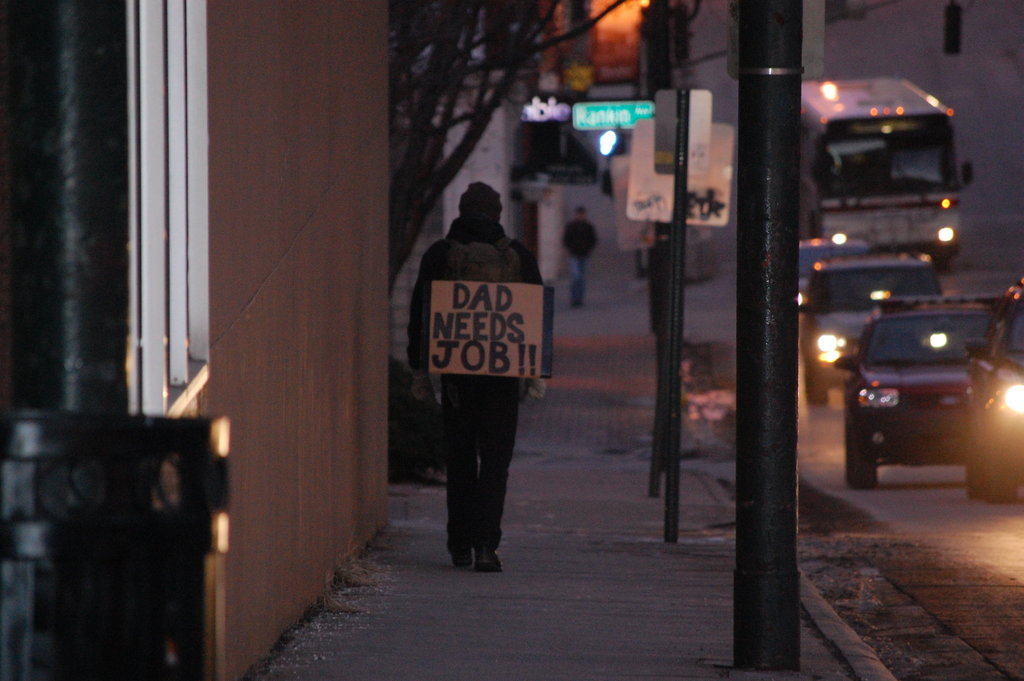
Financial assistance to individuals in certain situations typically including retirement, unemployment, disability and welfare benefits.
Public Infrastructure
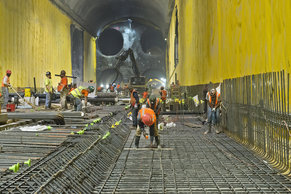
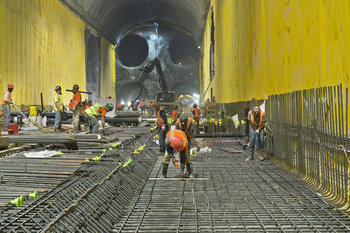
Governments improve quality of life and economic efficiency by providing infrastructure such as roads, airports or internet connections that are free or low cost. In many cases, essential services such as water and electrical infrastructure is provided by a government.
Public Services
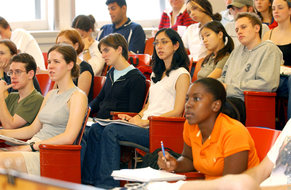
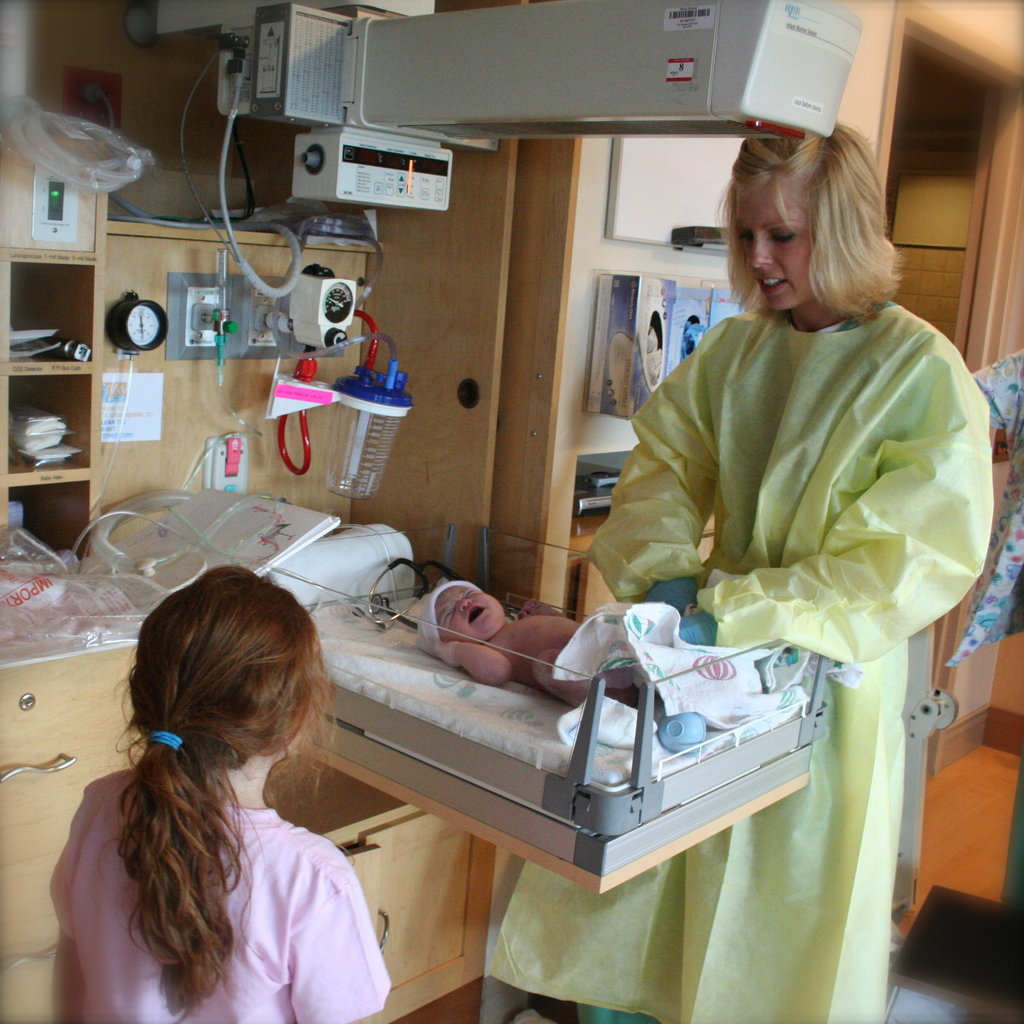
Governments provide direct value to people with services such as education, medical care, emergency services and waste collection. It is common for governments to offer hundreds of value public services.
Defense & Security
Defending a nation from other nations and from external threats such as terrorism and cyber attacks.
Transparency & Accountability
Governments have a great deal of power and control a great deal of resources such that the possibility of corruption is extraordinarily high. This is defeated with oversight, whistleblower protection, transparency and accountability for any transgressions. Freedoms are also important whereby the public can share information and protest to help create accountability.
Summary
A government is the set of structures, processes and institutions that organize life in a place including political, economic and social systems.
Cookies help us deliver our services. You have choices regarding these cookies. Please visit our privacy policy, cookie policy and consent tool to learn more.
Copyright 2002-2026 Simplicable. All rights reserved. This material may not be published, broadcast, rewritten, redistributed or translated. Report violations here.