Rare things are physical items that have very low supply relative to interest or demand. Technically speaking, a thing can be rare based on supply alone but this isn't very interesting or relevant if that thing isn't notable in some way. Rare things include historical artifacts, antiques, minerals and other natural things such as meteorites. Demand for rare things can cause ethical concerns as overexploitation, appropriation and hoarding by wealthy individuals at the expense of the public good. The following are interesting examples of rare things.
Painite
Once considered the rarest gemstone in the world. Painite was only discovered in the 1950s in Myanmar when it was initially misidentified as a ruby as it is reddish-brown.
Alexandrite
A chameleon gemstone that changes color based on the light. More rare than gems such as diamonds, rubies and emeralds.
Taaffeite
A very rare gemstone that appears in many colors such as pink, lavender and violet such that it is often confused with other stones such as spinel. Around 1 million times more rare than a diamond.
Benitoite
A rare sapphire-blue gem mostly found in San Benito County, California.
Red Beryl
Basically a red emerald. Mostly found in one small location in Utah.
Moldavite
A blue-green glassy mineral formed by a meteorite impact in southern Germany.
Tektite
Natural glass fragments formed by meteorite impacts. As these are ejected into the air during formation they often have a aerodynamic shape.
Red Diamonds
Natural red diamonds are quite rare with only a handful of known specimens.
Jadeite
There are two minerals known as jade: jadeite and nephrite. These are highly prized their rich green color in Asian cultures. However, jadeite is the much rarer type.
Spinel
Historically confused with ruby due to its pink, purple and blue colors. Some types of spinel such as fine-quality blue spinel are considered rarer than ruby.
Iridium Nuggets
One of the rarest and most corrosion-resistant metals on Earth often found with platinum.
Osmium Crystals
The densest naturally occurring element and one of the rarest metals. Even small osmium crystals are surprisingly heavy.
Rhodium Nuggets
Rhodium is a silvery-white metal that is usually found in trace amounts with nuggets being quite rare.
Platinum Nuggets
Platinum is rare but is far rarer as nuggets because it is usually found mixed in ores.
Jet
A rare form of fossilized wood that produces a dark black gemstone-like material. Not as common as typical gemstones.
Mesozoic Petrified Wood
Petrified wood that dates back to the dinosaurs over 65 million years ago.
Petrified Redwood
Rare large specimens of petrified wood from ancient giant redwood trees.
Natural Pearls
Most pearls are cultured pearls that are grown with human intervention. Actual natural pearls occur in about 1 in 10,000 wild oysters and are quite rare. For this reason, fine natural pearls were generally more valuable than cardinal gems such as diamonds, rubies and emeralds before Kokichi Mikimoto patented the cultured pearl in 1896.
Amber With Mosquito
Rare and interesting because of the idea popularized by movies like Jurassic Park about extracting very old DNA.
Amber With Mammal Inclusion
Amber with a mammal artifact included such as hair or fur. Considered exceptionally rare.
Amber With Feathers
Amber with dinosaur or bird features.
Amber with Primitive Insects
Amber with now extinct species of insect. Considered extraordinarily rare.
Lunar Meteorites
Rocks ejected from the Moon by impacts that eventually land on Earth. A few hundred are known.
Apollo Samples
The 382 kilograms of lunar materials brought back by the Apollo space missions in the late 1960s and early 1970s.
Martian Meteorites
Rocks ejected from Mars by asteroid impacts that eventually land on Earth. Currently number less than 400.
Pallasite Meteorites
Beautiful meteorites made from nickel-iron metal and olivine crystals. Less than 1% of known meteorites.
Angrite Meteorites
Among the oldest volcanic rocks in the solar system from a now-destroyed infant planet known as a planetesimal. Fewer than 30 known.
Ureilite Meteorites
Carbon-rich meteorites that often contain microscopic diamonds formed under extreme pressure.
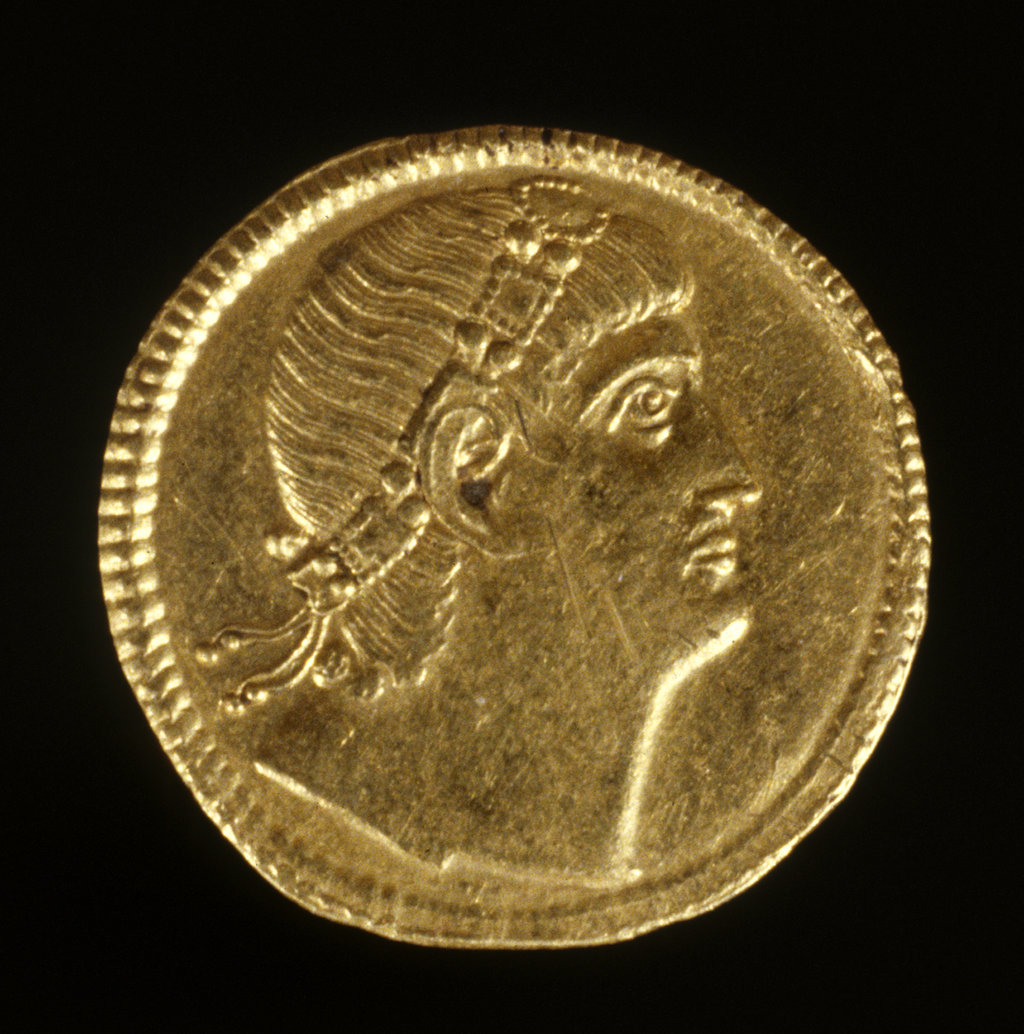
Roman Gold Aureus Coins
Gold coins minted in ancient Rome, often featuring emperors like Augustus or Nero. Due to their gold content, these were often melted down. As such, well-preserved aurei are very rare.
Imperial Chinese Jade Bi-Discs
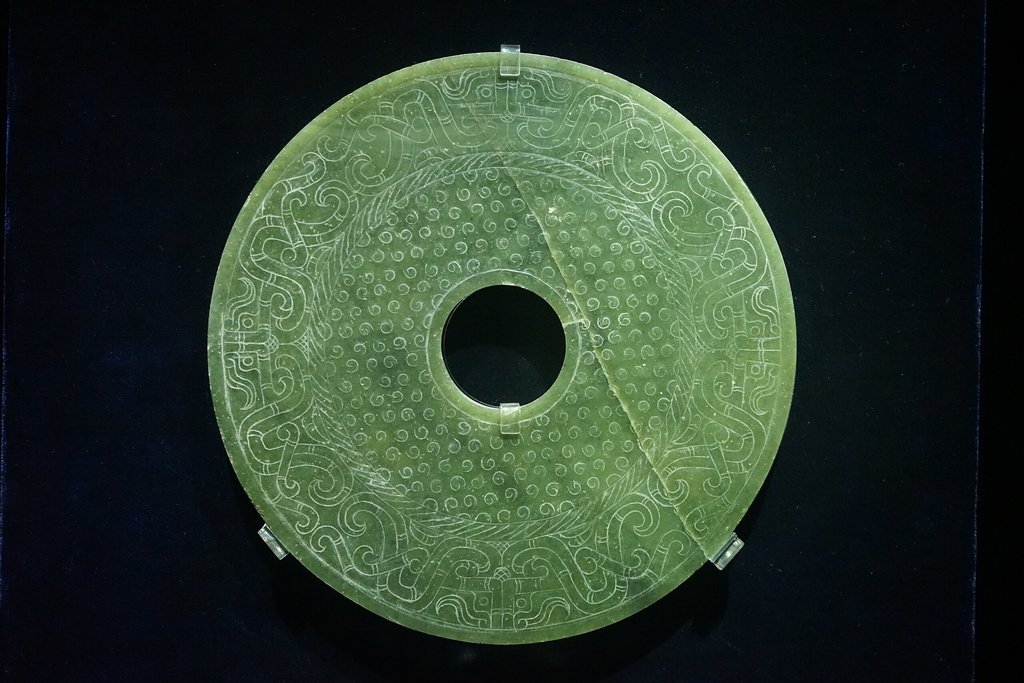
Circular jade discs often carved with dragon or cloud motifs that mostly date back to the Shang, Zhou and Han dynasties. Carved from a single stone. Those from earlier dynasties are exceptionally rare as are very large bi discs.
Medieval Illuminated Manuscripts
Manuscripts such as the Lindisfarne Gospels or Book of Kells that were handwritten and hand-painted on vellum by medieval monks. Most didn't survive history and can be exceptionally rare today.
Pyramidions
The capstones of pyramids that are often gilded and inscribed with protective texts and imagery. Far fewer pyramidions survived than pyramids themselves.
Aztec Feathered Headdresses
Majestic ceremonial head-dresses made from the feathers of quetzal birds, gold and precious stones worn by high-ranking Aztec priests or noble warriors. Only fragments remain and they are considered priceless artifacts.
Doubloon Shipwreck Coins
Large gold coins minted in Spanish colonies during the 17th–18th centuries that were mostly preserved in sunken treasure galleons as others were melted down.
Original Type Specimens
The specimen involved in first identifying a new species such as the first discovered Tyrannosaurus rex fossil.
Subfossils
Partially fossilized remains of animals that went extinct within the last few thousand years that still retain some organic material.
Bioluminescent Fossils
Fossilized marine organisms that retain traces of their bioluminescent proteins.
Bauhaus Prototype Furniture
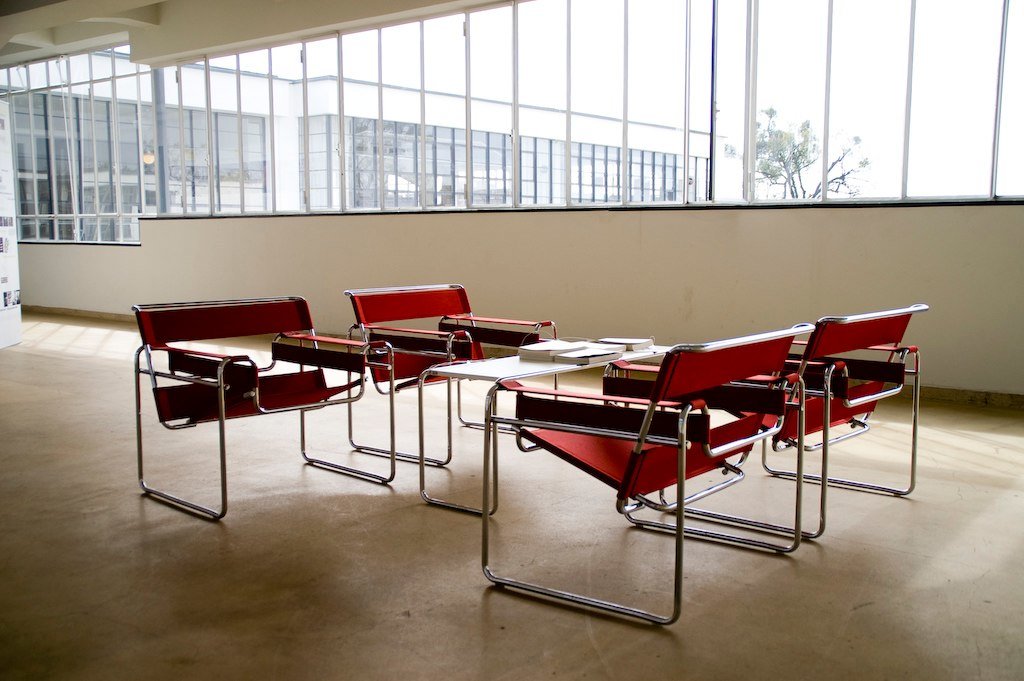
Bauhaus was a very famous design school active from 1919 to 1933 that had a profound impact on modern design. Prototype designs from well-known Bauhaus designers such as Marcel Breuer or Josef Alber are rare collectibles.
Sony Walkman
First generation Sony Walkman TPS-L2 from 1979 that had a massive cultural impact. Original units in working order with original packaging are generally rare.
Victorian Automata
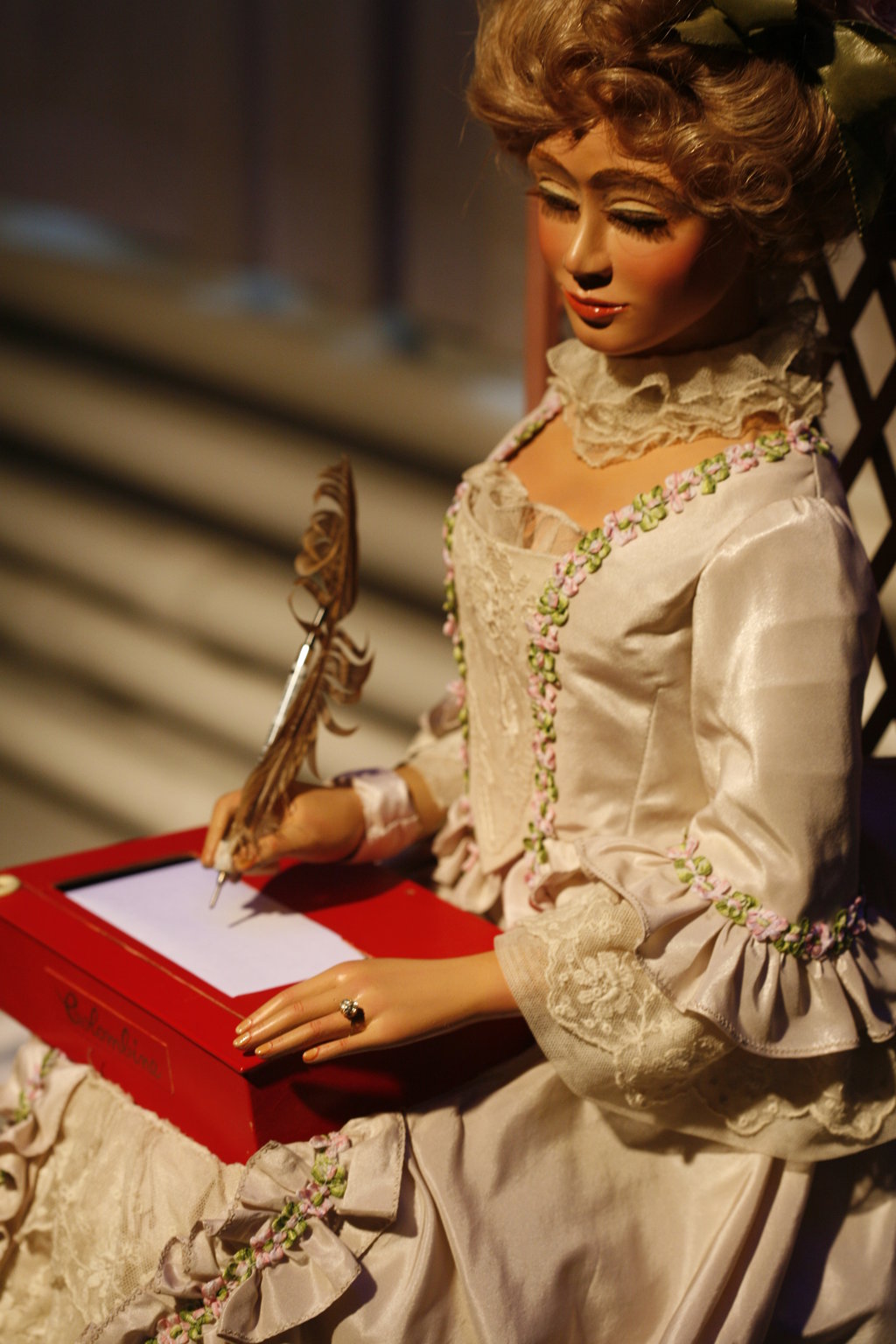
Mechanical figures or scenes powered by clockwork produced in the 19th century. These can resemble early robots generating much interest from modern collectors.
First Edition Books
First edition books from iconic authors such as Shakespeare’s First Folio (1623) with 235 known surviving copies, many of which are incomplete or damaged.
18th Century Pocket Globes
Ornate miniature globes made with paper over wood or ivory spheres in decorative cases from the 1700s. Few survived as they are made with paper. Of interest as they document the historical understanding of the world.
Art Nouveau Glass
Late 19th century glassworks by Émile Gallé are considered rare artifacts of Art Nouveau design.
WWI Trench Art
Crafts and art made from shell casings, lighters or carved bullets created by soldiers during World War I under harsh conditions.
Daguerreotypes
Early photos from the 1840s and 1850s are rare. This used a process known as a daguerreotype invented in the 1830s shortly after the advent of photography in 1822. The oldest surviving photo was taken in 1826.(first known photo of Abraham Lincoln, 1846)
Zeppelin Mail Covers
Letters and postcards carried on early Zeppelin airships are prized collectibles when postmarked or stamped with airship names.
Edo Period Samurai Armor
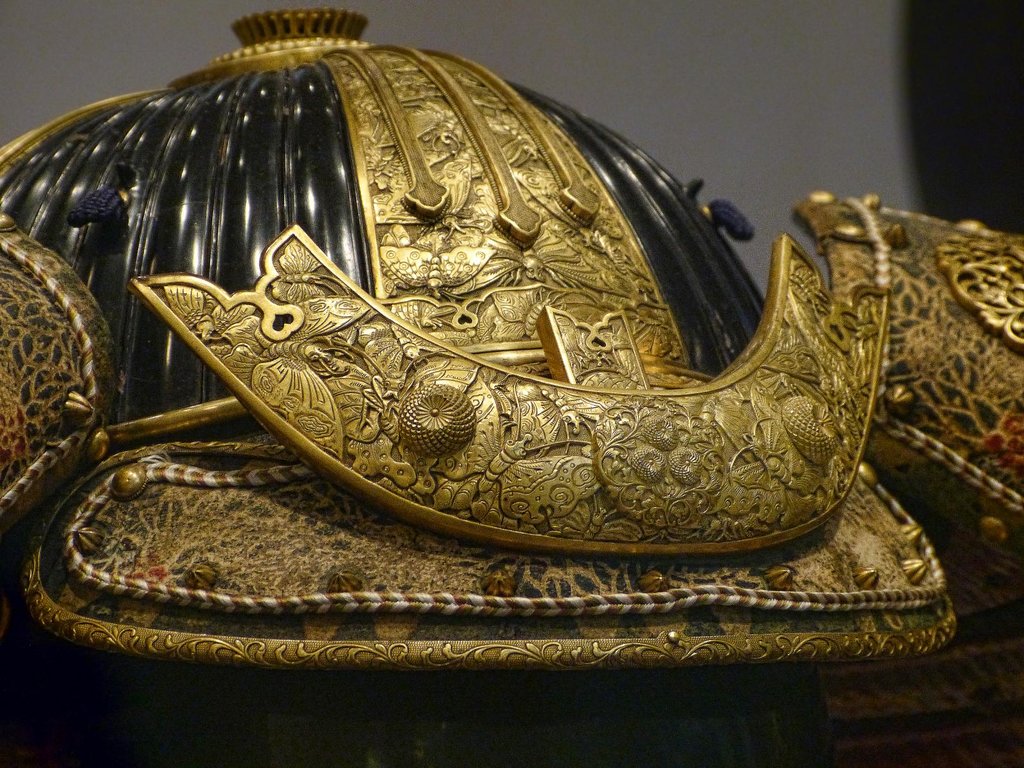
Authentic Japanese samurai armor from the Edo period (1603–1868), particularly complete sets.
Colonial American Powder Horns
Used by frontiersmen and soldiers in the 18th century, powder horns held gunpowder and were often carved with maps, names or pictures.
Civil War Regimental Flags
Regimental flags from the American Civil War in good condition with well-documented provenance are rare.
Ancient Non-Metallic Currency
Paper, leather or clay forms of currency that didn't survive history as often as metal coins. For example, jiaozi, a form of paper promissory note which appeared around the 11th century in China that is viewed as the first paper money.
Ancient Timekeeping Devices
Very old timekeeping devices such as water clocks, shadow clocks or star charts. For example, the Antikythera Mechanism, an ancient Greek astronomical calculator viewed as the world's oldest known analog computer.
18th Century Scientific Instruments
Antique telescopes, astrolabes, sextants and microscopes made in the 1700s.
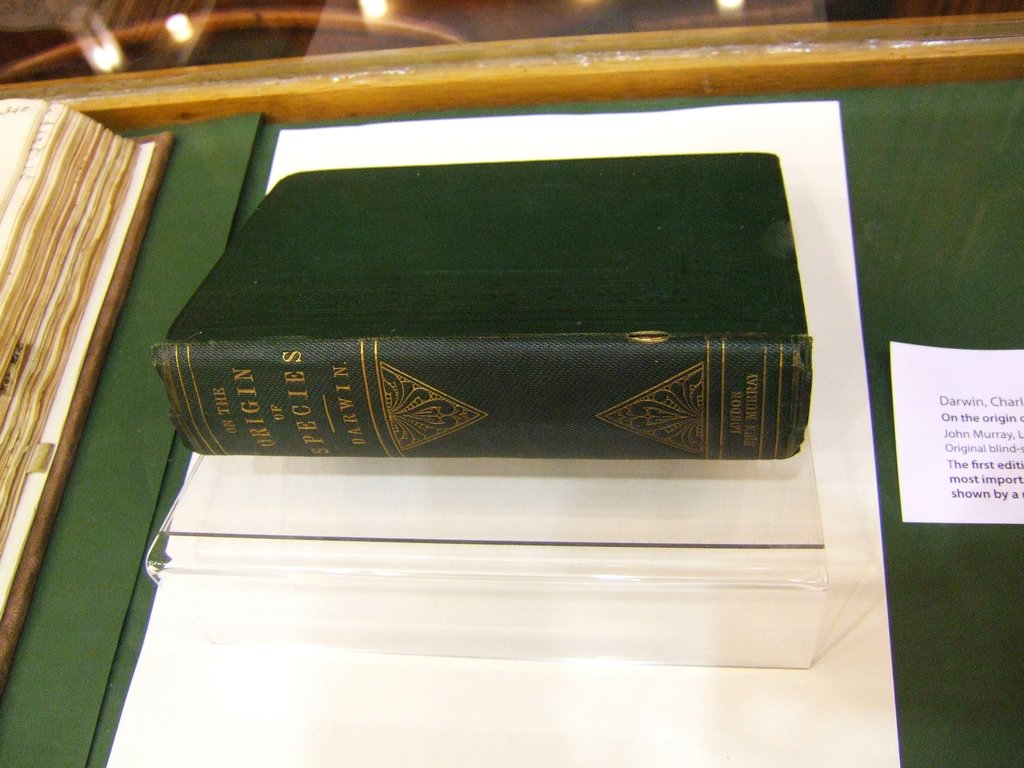
First Edition Scientific Manuscripts
First editions by the giants of science such as Newton, Galileo or Darwin that are revered as milestones of academic history.
True Damascus Steel
Fine items made with wootz steel produced in India and Sri Lanka as early as 300 BCE and discontinued by the late 18th century. Original Damascus swords and knives are quite rare.
Naturally Occurring Quasicrystals
Crystal-like minerals with an atomic structure is so unique that they were once thought to be impossible. These can be produced in a lab but natural examples are exceedingly rare.
Prehistoric Meteoric Iron
Artifacts such as tools or jewelry made with meteoric iron before the iron age when civilizations began to smelt and forge iron beginning around 1200 BC.
Prehistoric Flint Tools
Stone tools made by prehistoric humans, including arrowheads and scrapers are valued where they are well documented such as those originating from a proper archaeological excavation.
Roman Concrete
Concrete used by the Romans in structures like the Pantheon and sea walls. Known to last more than 2000 years, Roman concrete appears to have self-healing properties whereby chemical reactions with sea water form new mineral structures. Surviving samples are considered rare.
Stradivarius Violins
Antonio Stradivari's violins made in the 17th–18th century. Renowned for their exceptional tonal quality.
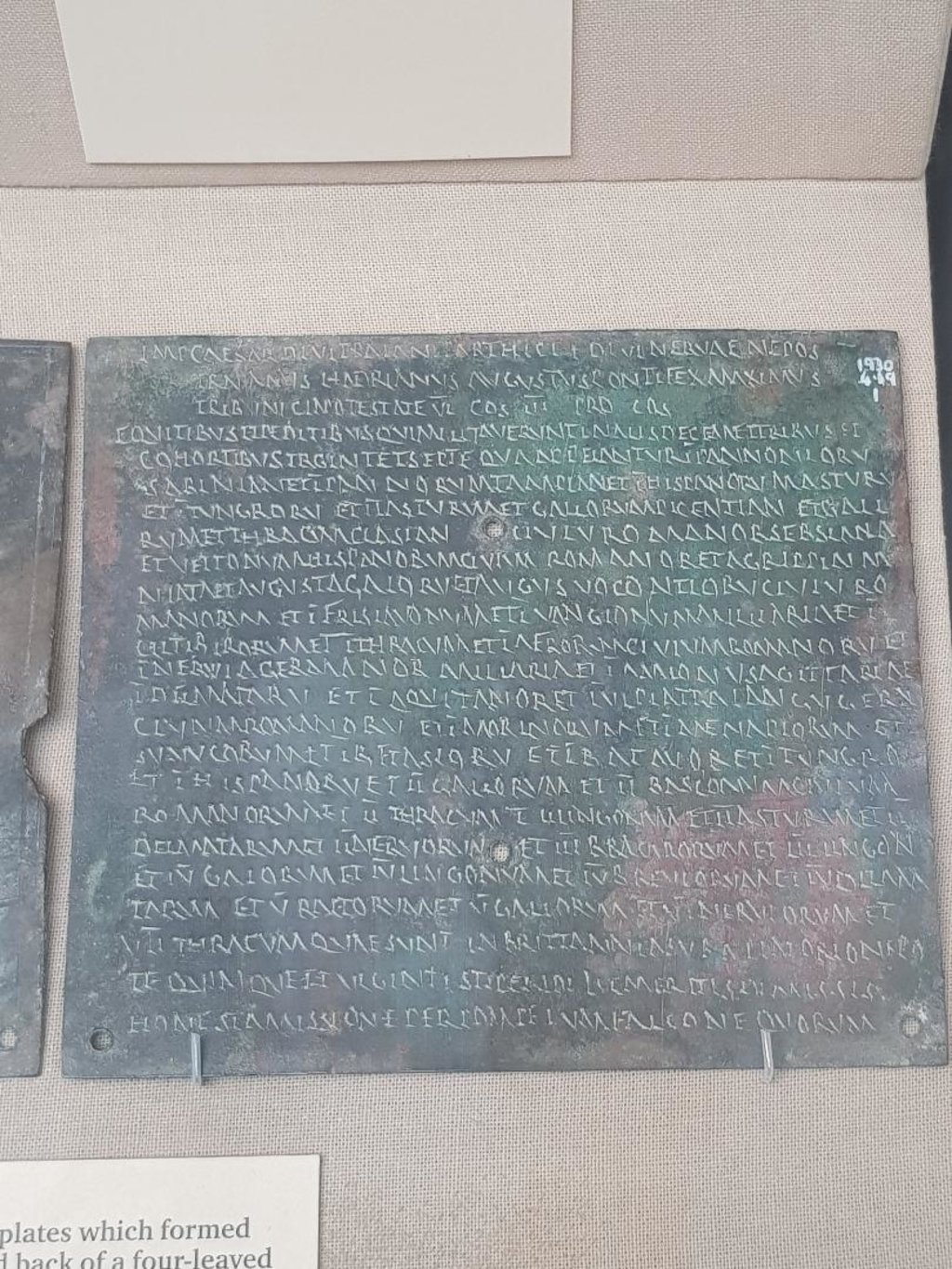
Roman Military Diplomas
Bronze certificates issued to non-citizen soldiers after 25 years of service, granting them Roman citizenship. Often melted down for their bronze or lost.
Roman Dichroic Glass
A rare type of ancient Roman glass that changes color in light.
Roman Curse Tablets
Thin sheets of lead inscribed with curses. Thousands have been found and each is unique shedding light on ancient Roman superstitions, legal disputes and personal grievances.
Roman Imperial Medallions
Bronze, silver or gold medallions produced in low numbers by ancient Rome for political gifting or ceremonial use. Most were melted down and are now rare.
Pre-Columbian Art
Art produced by indigenous cultures of the Americas before European contact, including Olmec, Maya, Aztec and Inca works.
Pre-Columbian Gold Artifacts
Gold jewelry, masks and ceremonial items produced by indigenous cultures of the Americas before European contact. Rare due to looting.
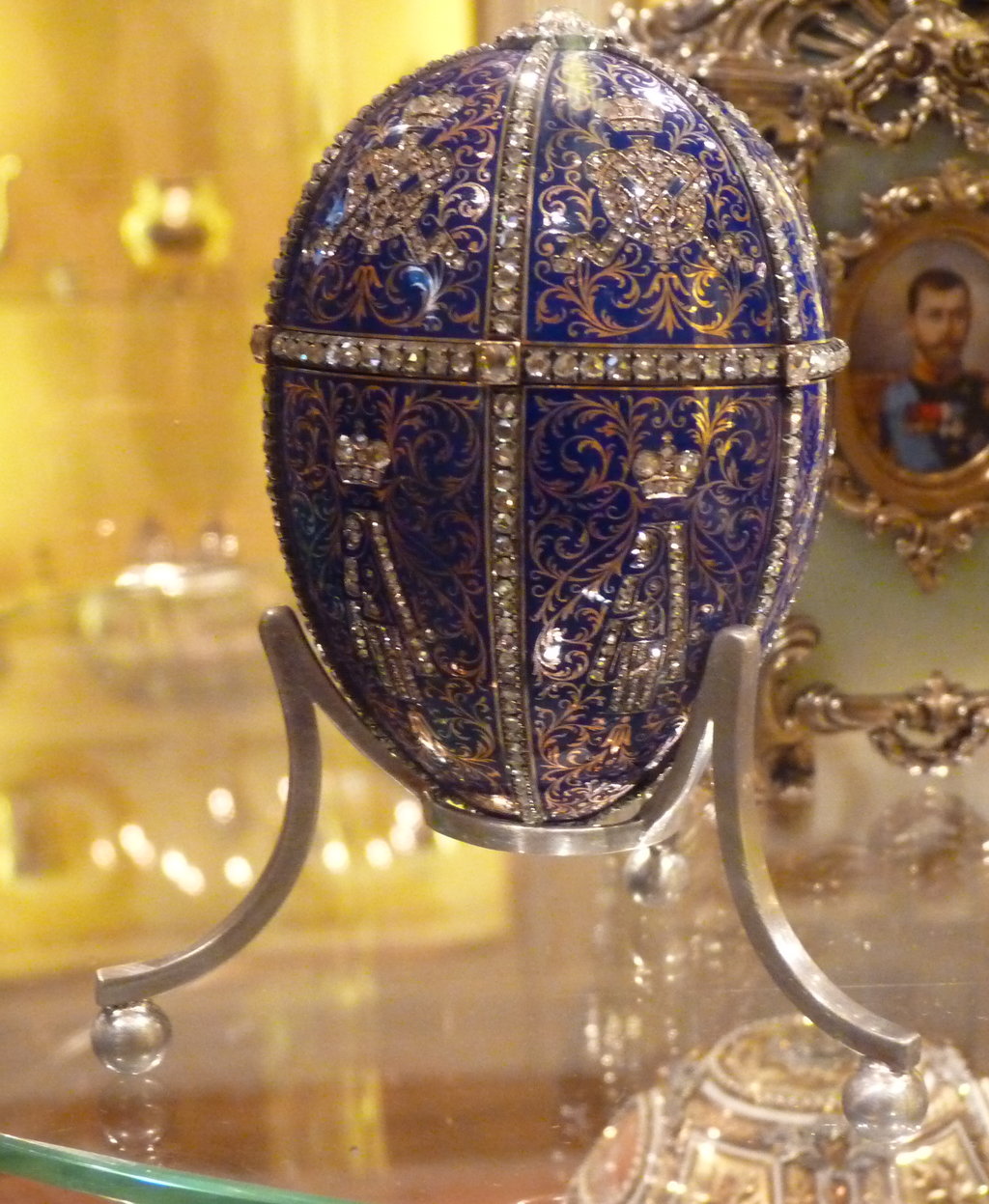
Fabergé Eggs
Imperial Russian Fabergé eggs are intricately crafted jeweled eggs made by the House of Fabergé between 1885 and 1917.
Renaissance Tapestries
Woven wall hangings from Renaissance era Europe that demonstrate significant artistry and craftsmanship. Few have survived in excellent condition.
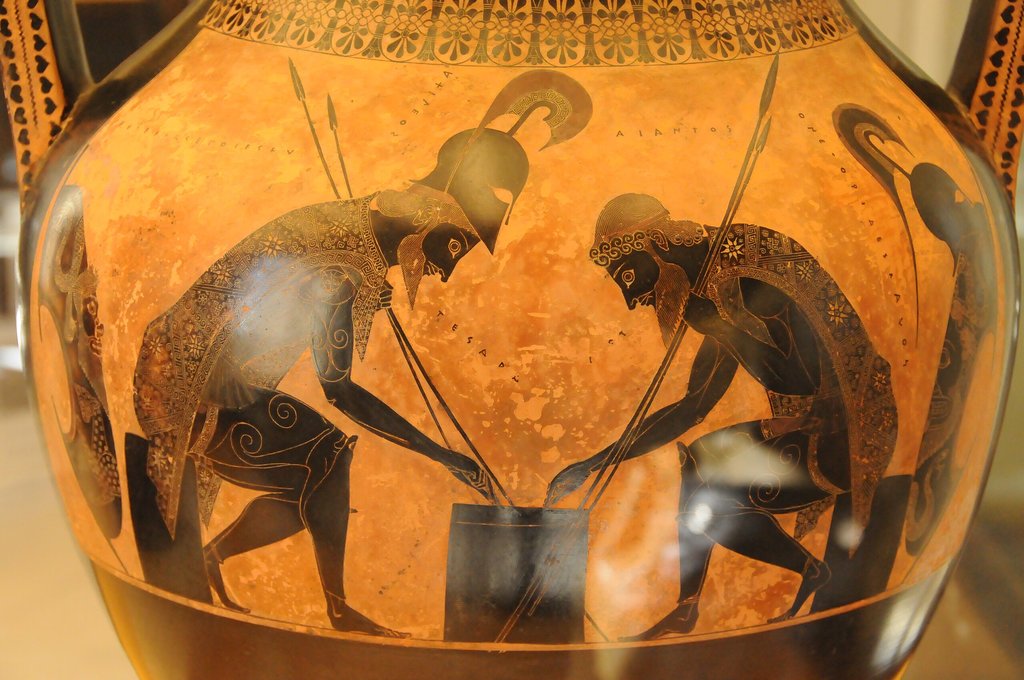
Ancient Greek Vases
Vases from ancient Greece often decorated with black-figure or red-figure techniques that depict mythological and everyday scenes.
Ming Dynasty Porcelain
Porcelain from China’s Ming Dynasty (1368–1644) known for its blue-and-white designs and refined craftsmanship.
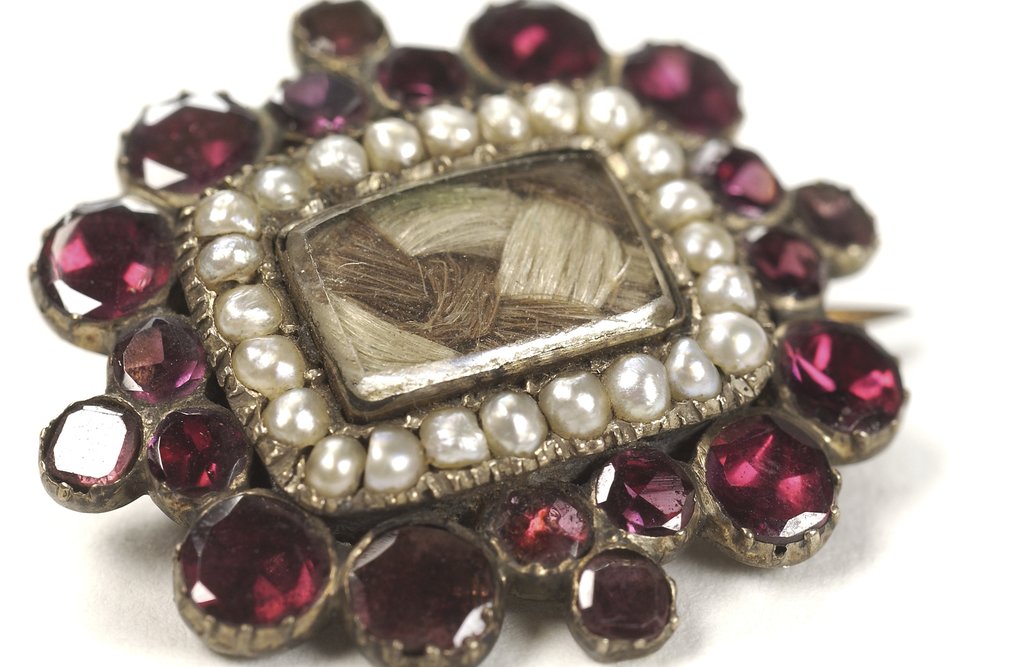
Victorian Mourning Jewelry
Jewelry made in the 19th century to commemorate deceased loved ones often using black elements such as jet or black enamel. Some of these are quite unusual as they may contain locks of hair.
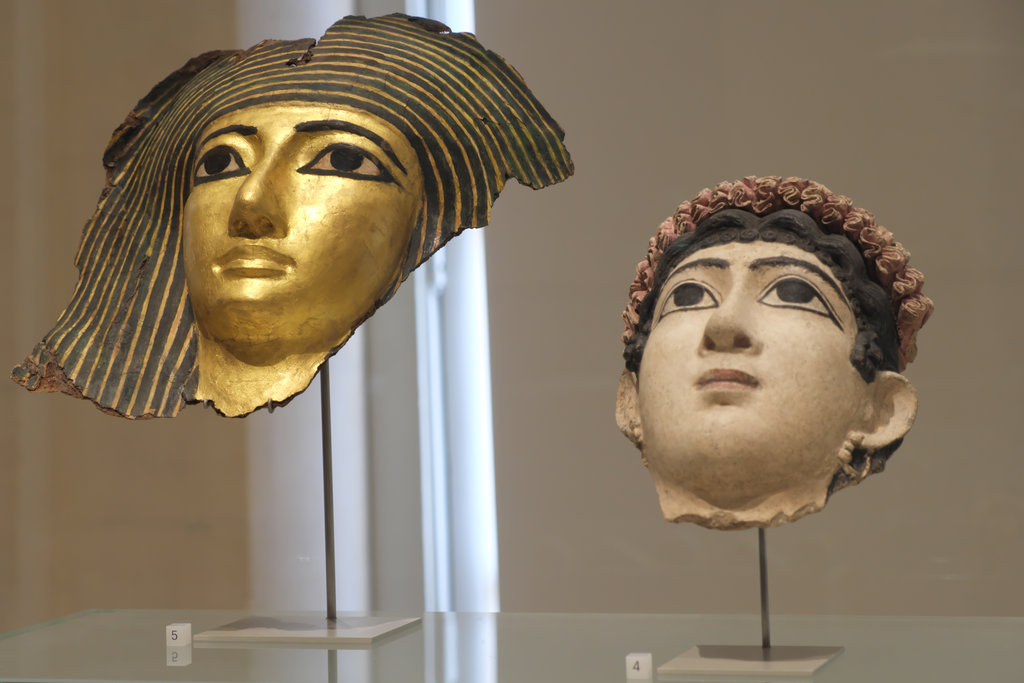
Egyptian Funerary Masks
Masks used in burial rituals to cover the faces of mummies by ancient Egyptians.
Napoleonic Military Memorabilia
Original uniforms, medals and other military artifacts from the Napoleonic Wars.
Bronze Age Textiles
Fabrics from the Bronze Age from 3300-1200 BC are incredibly rare due to natural decomposition.
Etruscan Bronze Mirrors
Highly decorated mirrors produced in pre-Roman Italy from 700 to 300 BC.
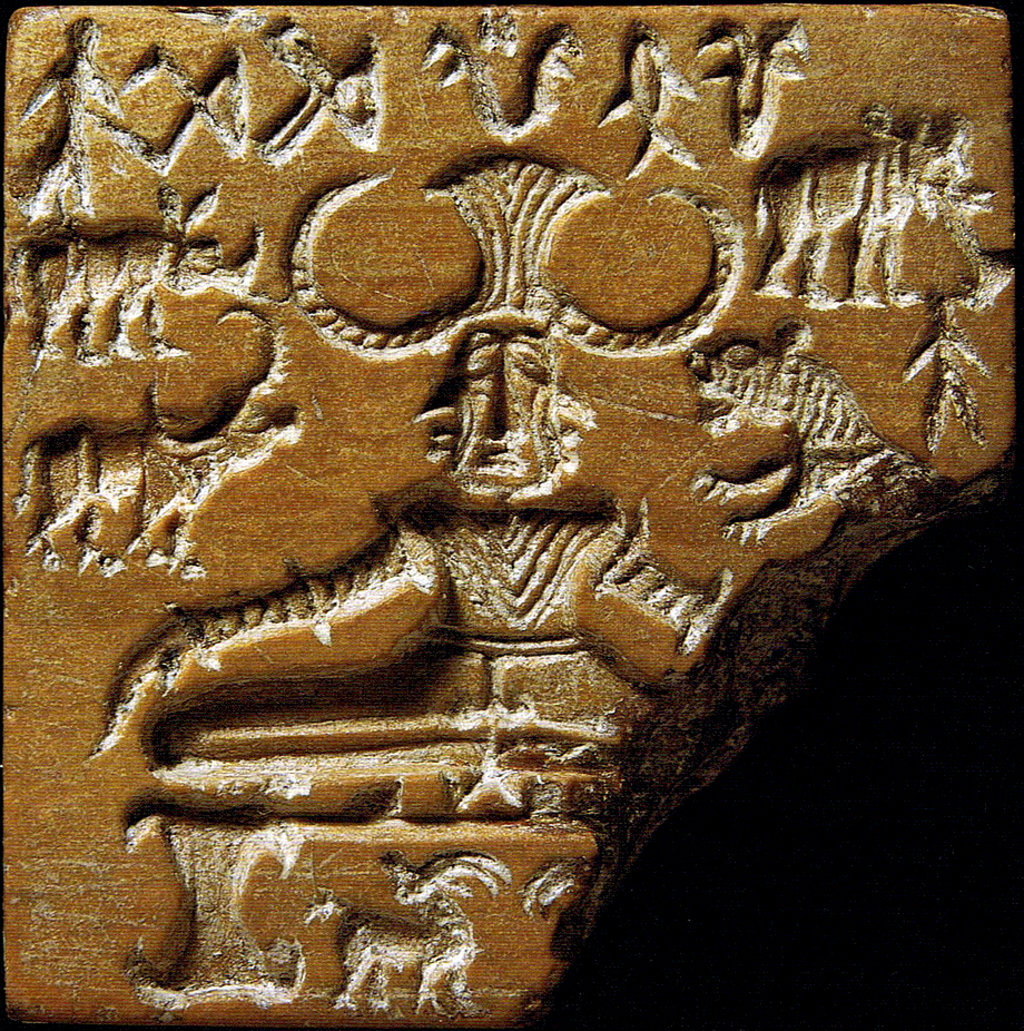
Indus Valley Script Tablets
Clay or steatite seals and tablets in a lost and undeciphered language known as Indus that is one of the last great undecoded writing systems. So we know little about what these tablets contain.
32 Shares
Things
This is the complete list of articles we have written about things.
Cookies help us deliver our services. You have choices regarding these cookies. Please visit our privacy policy, cookie policy and consent tool to learn more.
Copyright 2002-2026 Simplicable. All rights reserved. This material may not be published, broadcast, rewritten, redistributed or translated. Report violations here.