





Environmental Conservation
Environmental conservation is responsible stewardship for the Earth’s natural environment to protect, maintain and restore ecological systems and habitats. Where environmental activism raises awareness, environmental conservation delivers solutions. This can occur in urban environments with efforts that reduce waste or cool cities with greenery. However, much environmental conservation takes place in nature itself with efforts to defend and restore ecosystems.Afforestation | Beach cleanups |
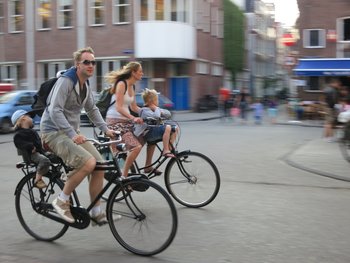
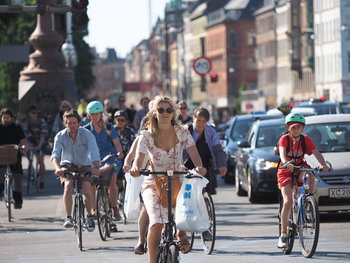
Bicycle infrastructure | Biodegradable packaging |
Boycotts | Carpooling |
Circular economy initiatives | Climate change mitigation |
Coastal erosion prevention | Community gardens |
Corporate sustainability reporting | Desertification prevention |
Donating old items to ensure reuse | Ecotourism |
Energy efficient transportation | Environmental enforcement |
Environmental justice initiatives | Environmental regulations |
Extended producer responsibility | Green building materials |
Green buildings | Green construction practices |
Green landscaping | Green procurement practices |
Green products | Green public spaces |
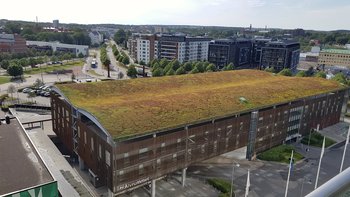
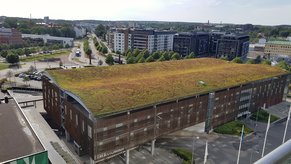
Green public transportation | Green roofs |
Greenbelt preservation | Greywater recycling |
Land reclamation projects | Local food sourcing |
Minimizing light pollution | Organic farming |
Pedestrian infrastructure | Pedestrian zones |
Planting native species | Protection of wetlands |
Purchasing second-hand | Rainforest preservation |
Rainwater harvesting | Recycling |
Reducing plastic use | Reducing water consumption |
Reforestation | Renewable energy |
Resource conservation | Restoration of coral reefs |
Reusable products | Reuse |
Rewilding | Sustainable agriculture |
Sustainable fashion initiatives | Sustainable fishing practices |
Sustainable urban planning | Tree planting |
Urban green spaces | Zero waste practices |
Wildlife Conservation
Wildlife conservation is the protection of animals, plants and their habitats to ensure their long-term survival and thriving. This addresses problems such as habitat destruction and fragmentation, illegal poaching, invasive species and human-wildlife conflict.Animal rights campaigns | Anti-poaching patrols |
Captive breeding programs | Control of illegal trade in wildlife products |
Ecological restoration | Ecotourism |
Enforcing endangered species laws | Forest reserves |
Habitat corridors | Habitat restoration |
Hunting regulations | Illegal logging prevention |
Illegal mining prevention | Invasive species management |
Legislative protection of species | Marine protected areas |
Microhabitat protection | Mitigation of habitat fragmentation |
National parks | Nature conservation areas |
Nature reserves | Nesting site protection |
Preventing deforestation | Private nature reserves |
Protected wetlands | Public awareness campaigns |
Reducing agricultural runoff | Reducing human-Wildlife conflict |
Reducing noise and light pollution in wildlife habitats | Reforestation |
Regulating tourism | Restoration of pollinator habitats |
Species reintroduction | Wetland restoration |
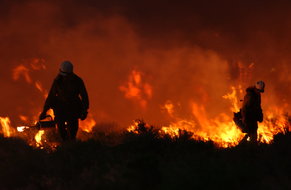
Wildfire control programs | Wildlife adoption programs |
Wildlife monitoring | Wildlife population monitoring |
Wildlife refuges | Wildlife rescue and rehabilitation |
Wildlife reserves | Wildlife sanctuaries |
Resource Conservation
Resource conservation is the protection of a resource such as land, water or air. This can be indirect such as energy conservation that aims to reduce energy use that translates to air pollution and carbon emissions. Resource conservation may also focus on specific resources that are highly important and at risk such as the genetic diversity of wildlife or crops.Air quality conservation | Conservation of non-renewable resources |
Ecosystem conservation | Energy conservation |
Forest conservation | Genetic conservation |
Land conservation | Marine conservation |
Soil conservation | Water conservation |
Wildlife conservation |
Cultural Conservation
Cultural conservation is the protection of priceless cultural heritage that is at risk. This involves recognizing these resources and defending them. Cultural conservation is often misunderstood as just preserving old monuments or artifacts but more importantly, it also defends living cultural practices such as languages, festivals, music, crafts and ways of life.Archiving folklore and oral histories | Conservation of ancient manuscripts |
Cultural heritage tourism | Historic site restoration |
Keeping traditions alive | Language preservation |
Museum collections management | Preservation of ancient structures |
Preservation of traditional languages | Promoting cultural festivals |
Protecting sacred sites | Protection of intangible cultural heritage |
Public funding and support for museums | Regulations regarding private art and artifact ownership |
Restoration of ancient artifacts | Restoration of historical buildings |
Sharing traditional knowledge | Teaching traditional music and dance |
Traditional food conservation |
Summary
Conservation is the protection and restoration of resources with immense and incalculable value that are at risk. This involves responsible stewardship over these resources and efforts to end destructive practices that may be damaging them. Conservation is active and goes beyond mere activism or advocacy to have a direct impact.