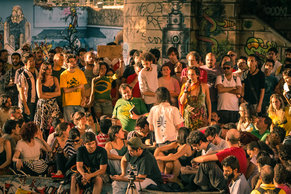
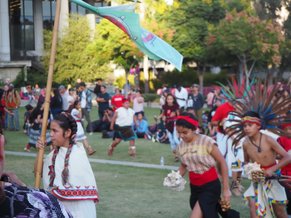
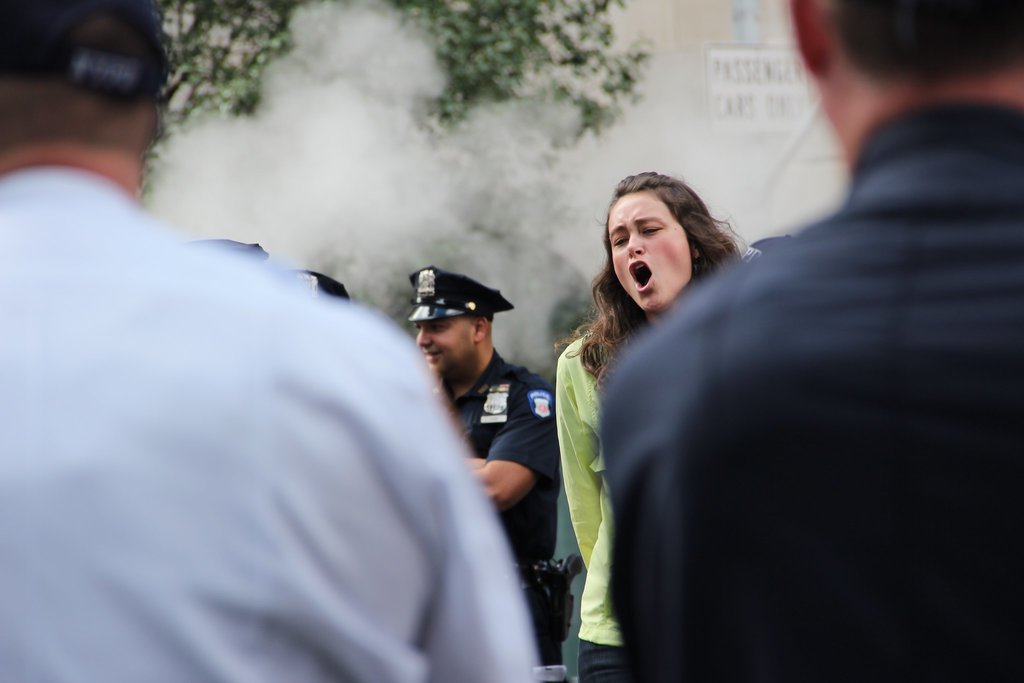
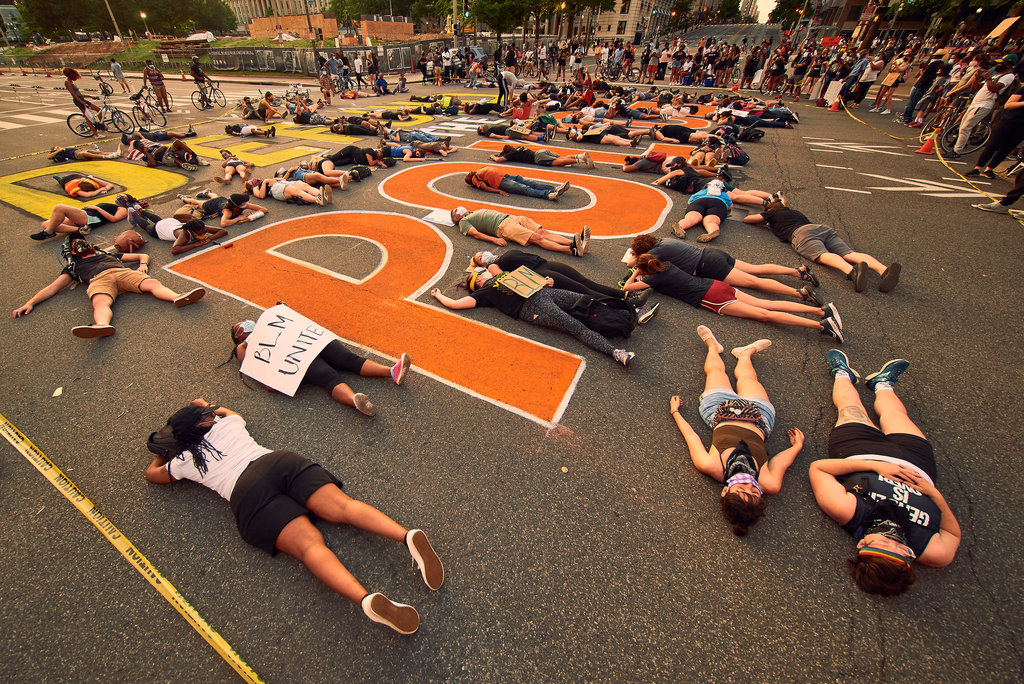
Social justice is the fairness of society, particularly to minority groups. In a democracy, the majority rules and it is possible for this majority to oppress minority groups. For this reason, social justice tends to focus on groups that have little real economic and political power in society as compared to elites.
Marginalized Groups
Social justice focuses on people who have little or no power in a society such that they truly require help and political support. For example, refugees and immigrants who may have very little political or economic power.
Human Rights
In a democracy, the rule of the majority is tempered with rights whereby there are limits to the power of the majority. This is rooted in the constitutions of nations with key rights and freedoms such as freedom of speech.
Inequality
Social justice is greatly concerned with inequalities such as power, resource and economic disparity. For example, an ethnic group that has higher rates of poverty than others in the same city, state or nation.
Access & Opportunity
Social justice includes issues of equal access and opportunity. For example, equal access to high quality education options, financial services such as mortgages and job opportunities.
Equality of Outcome
Social justice is concerned with resource and economic disparity. Here the postmodern language departs from the idea of equal access and opportunity to the demand that outcomes simply be equal. This is often referred to as equity. Taken all the way, this isn't consistent with a competitive capitalist society. In other words, total equality of outcome would require a communist system where the state controls all economic production and resource distribution.
Nondiscrimination
Issues related to discrimination such as racism and sexism. For example, over-policing and under-protecting based on race.
Environmental Issues
Environmental issues are viewed as social justice issues due to the sense that destruction of the environment is largely caused by large powerful companies and that the impact of this destruction falls on the young and people experiencing poverty.
Solidarity
As social justice is focused on justice for marginalized groups and minorities it tends to advocate for a list of identities. This can easily resemble identity politics whereby it could be argued that the elite benefits when people fail to identify with class differences in society but instead focus on other aspects of identity such as race and gender. The solution under social justice is to call for solidarity of these groups while also advocating for the particular needs of marginalized groups.
Class Consciousness
Postmodern social justice focused on identity has not produced much class consciousness, particularly in the United States. In Europe, social justice is more likely to focus on class consciousness whereby it advocates for working class and middle class issues such as government benefits, wages, inflation, job security, pensions, public services, corruption, privatization, taxation of the wealthy and limits to corporate power.
Summary
In a real world democracy, the majority rules and elites tend to have special influence. Both of these groups may chip away at the rights and freedoms of minorities and work to keep them down in one way or another. This is the context in which social justice has emerged -- a social and political movement that works to defend minority rights.
John Spacey. "What is Social Justice? (9 Key Points)." Simplicable. Retrieved November 17, 2026. from https://simplicable.com/society/what-is-social-justice
Cookies help us deliver our services. You have choices regarding these cookies. Please visit our privacy policy, cookie policy and consent tool to learn more.
Copyright 2002-2026 Simplicable. All rights reserved. This material may not be published, broadcast, rewritten, redistributed or translated. Report violations here.