Architectural acoustics is the design of buildings for a good sound. It is associated with noise control but can have other objectives such as speech intelligibility, music acoustics, theatre acoustics or environments designed for pleasant ambient sounds. The following are common elements of architectural acoustics.
Building Envelope
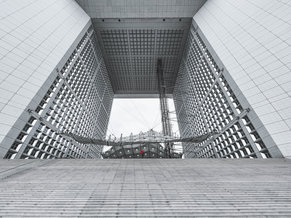
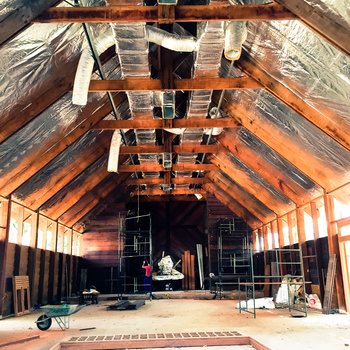
A building envelope is the outer shell of a structure that shields it from elements of the outside world such as wind, water, heat, light and noise. They can be designed to reflect and/or absorb sound to reduce noise.
Interior Structure
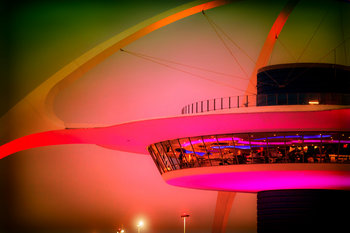
Rooms, ceilings, walls, floors, doors, windows and ducts may be structured to reduce noise or produce a desired acoustic environment. For example, a theatre shaped to allow sound to flow unobstructed from the stage to all seats and to prevent sound from echoing back.
Materials
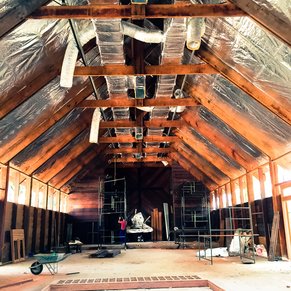
Building materials selected for their sound properties such as reflection, absorption, refraction, diffusion, diffraction and transmission of sound. For example, a party wall between two apartments that contains layers of sound insulation that absorbs noise.
Equipment
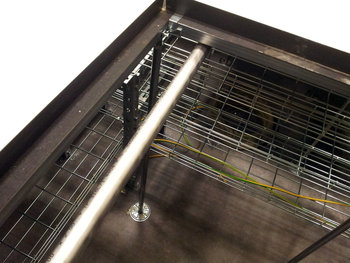
Selecting equipment such as elevators that are quiet both in terms of mechanical operation and a lack of beeps and other noisy features.
Sound Masking
Ambient sounds that cover noise such as a water fountain or electronic noise control that generates noise-canceling waveform in real-time in response to sound.
John Spacey. "5 Types of Architectural Acoustics." Simplicable. Retrieved November 17, 2026. from https://simplicable.com/architecture/architectural-acoustics
Cookies help us deliver our services. You have choices regarding these cookies. Please visit our privacy policy, cookie policy and consent tool to learn more.
Copyright 2002-2026 Simplicable. All rights reserved. This material may not be published, broadcast, rewritten, redistributed or translated. Report violations here.