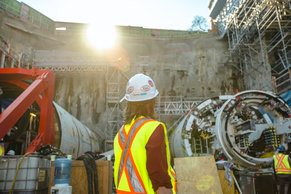
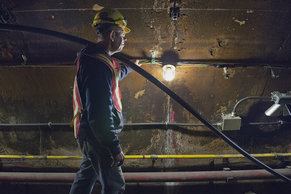
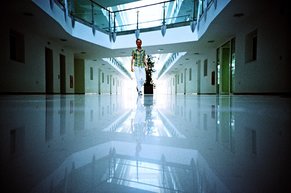
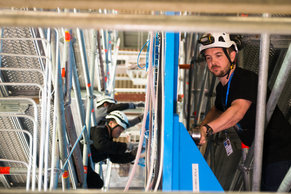
Building infrastructure are the foundational services that are provided to the users of a building. This includes hard infrastructure such as staircases and soft infrastructure such as janitorial services. The following are common examples of building infrastructure.
Access control
Alarm systems
Backup power systems
Bathrooms
Concierge services
Drainage
Electrical infrastructure
Elevators & escalators
Emergency lighting
Emergency preparedness infrastructure
Fire escape routes
Fire safety systems
Fire sprinkler systems
Gas lines
Heating, ventilation & air conditioning
Internet connectivity
Janitorial services
Lighting systems
Mailrooms
Maintenance services
Parking facilities
Plumbing systems
Power supply and systems
Reception services
Roads
Security cameras
Security landscaping
Security systems
Server rooms
Sewage & sanitation
Sidewalks
Signage and wayfinding
Green space
Lobbies & lounges
Facilities & amenities
Staircases
Stormwater management
Telecommunications connectivity
Transportation links
Utilities
Waste management facilities
Wastewater disposal
Water heating
Water supply
Some elements of building infrastructure such as electrical systems are basic elements of every building. Others are enhanced services to support the uses of a building such as an data center with an electrical generator and other power backup systems.Next: Building Facilities
John Spacey. "44 Examples of Building Infrastructure." Simplicable. Retrieved November 17, 2026. from https://simplicable.com/architecture/building-infrastructure
Cookies help us deliver our services. You have choices regarding these cookies. Please visit our privacy policy, cookie policy and consent tool to learn more.
Copyright 2002-2026 Simplicable. All rights reserved. This material may not be published, broadcast, rewritten, redistributed or translated. Report violations here.