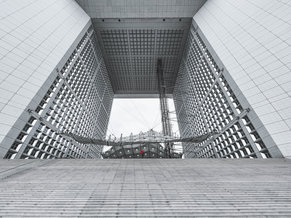
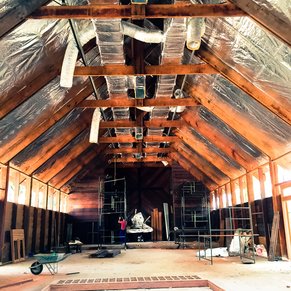
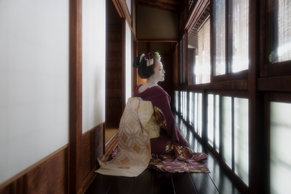
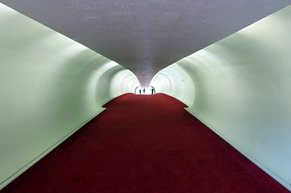
Architecture is the practice of designing large scale physical spaces. This is viewed as both an art and science whereby buildings and other structures are creative expressions yet engineered. The following are the key points to know about architecture.
Architecture is the Design of Physical Space
Buildings are structures but the purpose of these structures is typically the space within them. As such, negative space is the core value created by architecture.
Architecture Is Structural Design
An important element of architecture is structural design that ensures that a building can carry loads, resist forces and remain safe and stable.
Architecture Is Constructable
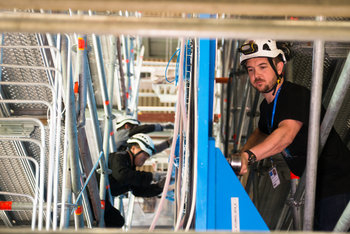
There is no sense designing a building that can't be constructed. As such, architects must understand materials, costs, construction methods, building codes and engineering principles.
Architecture is Functional
Although architecture can be beautiful, it serves a purpose such as providing shelter, ventilation, light, safety, productive spaces and so forth.
Architecture is an Art
Architecture involves creative expression using form, proportion, rhythm and composition. It’s a visual and spatial art.
Architecture is Commercial
As buildings and other structures are expensive, architecture almost always has some type of commercial requirements and constraints. This can be compared to art that may have no constraints to bind the creative expression of the artist.
Architecture Is at Human Scale
The scale of buildings all relates back to human proportions and comfort. For example, the height of a floor in a building relates to the height of humans.
Architecture Is a Human Experience
A building is experienced by people and this experience is the true measure of architecture. For example, how people feel, move, interact and inhabit a space.
Architecture Responds to Place
Ideally, architecture responds to its setting such as the climate, topography, culture, history and surroundings of a place.
Architecture is a Cultural Artifact
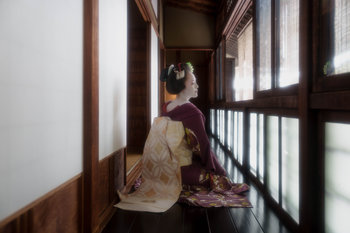
Architecture reflects the culture where it is created and is considered an element of culture and of cultural heritage.
Architecture Is a Reflection of Its Time
Architecture can potentially remain standing for hundreds or thousands of years and reflects the culture, materials and technologies of the time when it was built. As such, buildings can become important historical sites as they age.
Architecture Begins With Form
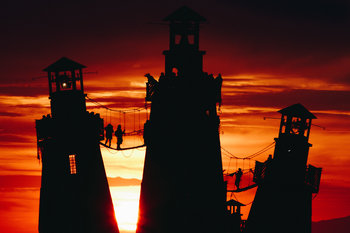
Form is the overall shape and volume of a building or structure. Architecture often begins with this as this defines the space, silhouette and character of a building.
Architecture Defines Spatial Organization
Architecture lays out hierarchies, zones, rooms, paths and flows that organize space.
Architecture Uses Light
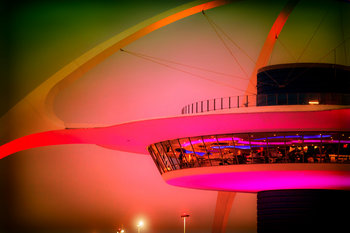
Architecture considers both natural and artificial light from both a functional and aesthetic point of view.
Architecture is Multidisciplinary
Architecture isn't designed in isolation but is a collaborative and iterative effort than involves design, engineering, construction, environmental, legal, commercial and technological aspects.
Summary
Architecture is the design of space using structures. This is both an art and science that considers form, proportion, scale, space, human experience, place, cost, constructability and sustainability.
2 Shares
Architecture
This is the complete list of articles we have written about architecture.
John Spacey. "What is Architecture? (15 Key Points)." Simplicable. Retrieved November 17, 2026. from https://simplicable.com/architecture/what-is-architecture
Cookies help us deliver our services. You have choices regarding these cookies. Please visit our privacy policy, cookie policy and consent tool to learn more.
Copyright 2002-2026 Simplicable. All rights reserved. This material may not be published, broadcast, rewritten, redistributed or translated. Report violations here.