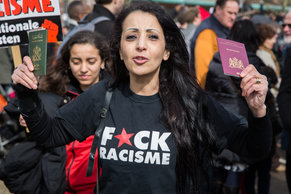
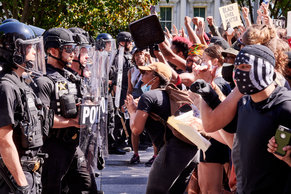
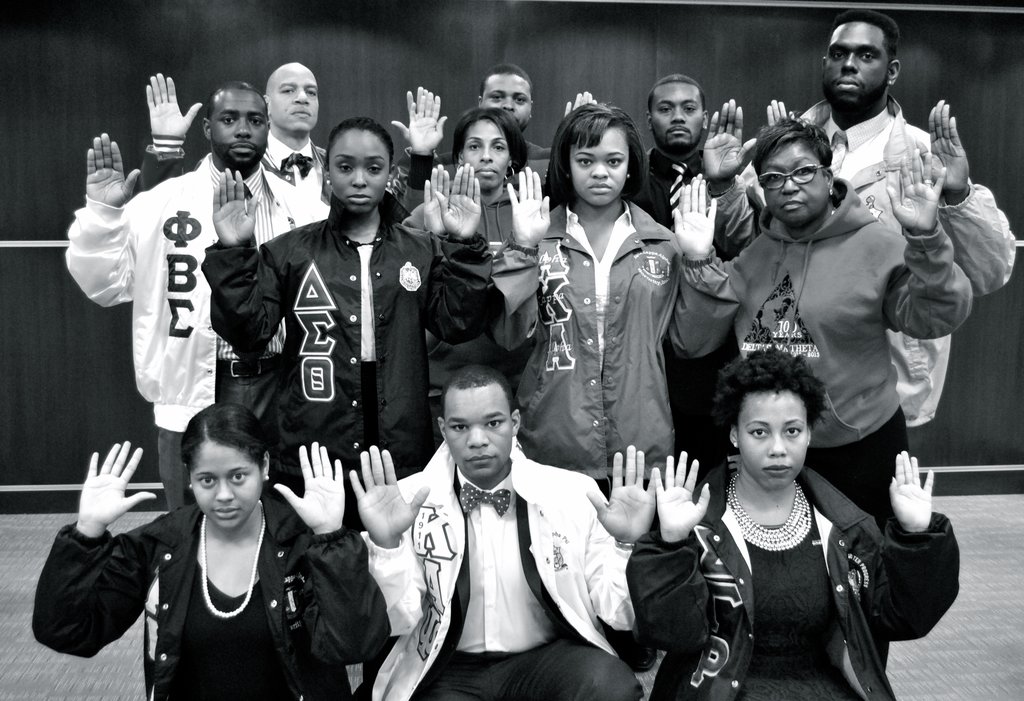
Discrimination is unfair treatment based on some aspect of a person's identity. This can include interpersonal discrimination between people and discrimination that is built into systems and institutionalized. The following are key characteristics of discrimination:
Social Identity
Discrimination is based on some aspect of a person's social identity. This can include factors such as race, ethnicity, gender, sexual orientation, age, language, socioeconomic status, health status, disability, religion and national origin.
Unequal Treatment
Discrimination involves unjustified unequal treatment. For example, excluding a disabled coworker from a team building event that they could participate in.
Prejudice
Preconceived opinions, judgments and attitudes towards someone based on their identity. Prejudice can include stereotypes that are widespread such that an individual faces them in many situations throughout their entire life.
Power Imbalance
A key factor in discrimination is a power imbalance. Discrimination can occur in any direction such as a minority towards a majority. However, discrimination has far more impact when someone has social power or where you are outnumbered. For example, if you are the only visible minority in a class and the other students in the class exclude you based on how you look. Likewise, it would be a power imbalance if the teacher discriminates against you because they have authority.
Social Exclusion
Discrimination can involve social exclusion such as people avoiding you or not inviting you to things.
Social Stigma
Negative attitudes, beliefs and stereotypes towards a social group. This represents a type of adversity whereby a person may feel negativity constantly directed at them and may be at risk of internalizing negative views that others hold about them.
Microaggressions
Microaggressions are essentially passive aggressive treatment of others that are innocent on the surface but have a negative intent or that have neutral intent but reveal social stigma or biases towards someone. For example, telling someone "you speak English so well" based on their race or ethnicity. If you know someone is learning English, this wouldn't be a microaggression unless you were being sarcastic or providing false praise.
Economic Inequality
Serious types of discrimination whereby social groups are put at an economic disadvantage due to aspects of their identity. For example, finding it harder to get a job or secure a mortgage due to biases against you.
Disempowerment
Discrimination that results in less authority, resources, social connectedness or social status such that you are at a disadvantage to others.
Human Rights
Discrimination undermines core principles of human rights such as equality, dignity and respect for individuals.
Marginalization
Marginalization is social, economic, political and cultural exclusion whereby a social group or individual lack social power, voice, visibility and respect within society. For example, a person who is more frequently stopped, questioned or detained by police based on how they look. This may make this person fearful of the police and more vulnerable as a result.
Adversity
Discrimination is a prominent type of adversity whereby it represents a challenge, hardship and disadvantage. People who face discrimination may face it day after day throughout their entire life. This may represent a disadvantage in life that leads to poor outcomes such as health, economic and social problems.
Summary
Discrimination is unfair treatment based on social identity. This is a common type of social injustice whereby people are marginalized, disempowered and stigmatized based on factors such as race, ethnicity, gender or age. Being subject to discrimination is a type of adversity that is stressful and can put you at a disadvantage to others.
John Spacey. "What is Discrimination? (12 Key Points)." Simplicable. Retrieved November 17, 2026. from https://simplicable.com/society/what-is-discrimination
Cookies help us deliver our services. You have choices regarding these cookies. Please visit our privacy policy, cookie policy and consent tool to learn more.
Copyright 2002-2026 Simplicable. All rights reserved. This material may not be published, broadcast, rewritten, redistributed or translated. Report violations here.