Civil rights are legally protected guarantees that ensure individuals receive equal treatment, participation and protection within a society, regardless of identity, background or belief. This particularly relates to protection from the state and other institutions of power. The following are the key things to know about civil rights:
Civil Rights are Legally Enforceable
Civil rights are not informal ideals or principles but are rights enforceable by law. Their legitimacy comes from constitutions, statutes or court decisions.
Civil Rights Protect Equality
Civil rights are the legal guarantees that protect individuals from unequal treatment and discrimination in key areas of life such as education, voting, work, housing, public space and justice.
Civil Rights Apply to All Persons
Civil rights are not limited to citizens. Any person under a government’s jurisdiction is entitled to civil rights.
Civil Rights Require Equal Protection
Laws apply to everyone equally, no matter their identity or social status. No one is above the law and no one is left out of its protection. Government agencies, courts, schools and employers must act without bias or discrimination.
Civil Rights Are Unalienable
Unlike privileges, which can be granted or revoked, civil rights are unalienable and can't be taken away, bought, sold or transferred.
Civil Rights Limit State Power
Civil rights limit what governments can do to individuals. They require the state to act fairly and respect personal freedoms. For example, freedom of speech that prevents the government from censoring individuals or punishing them for expressing opinions whatever their background or beliefs.
Civil Rights Secure Participation in Society
Civil rights guarantee that all individuals can fully and fairly take part in the social, political and economic life of a nation. For example, the right to vote ensures citizens can elect leaders and influence laws.
Civil Rights Require State Enforcement
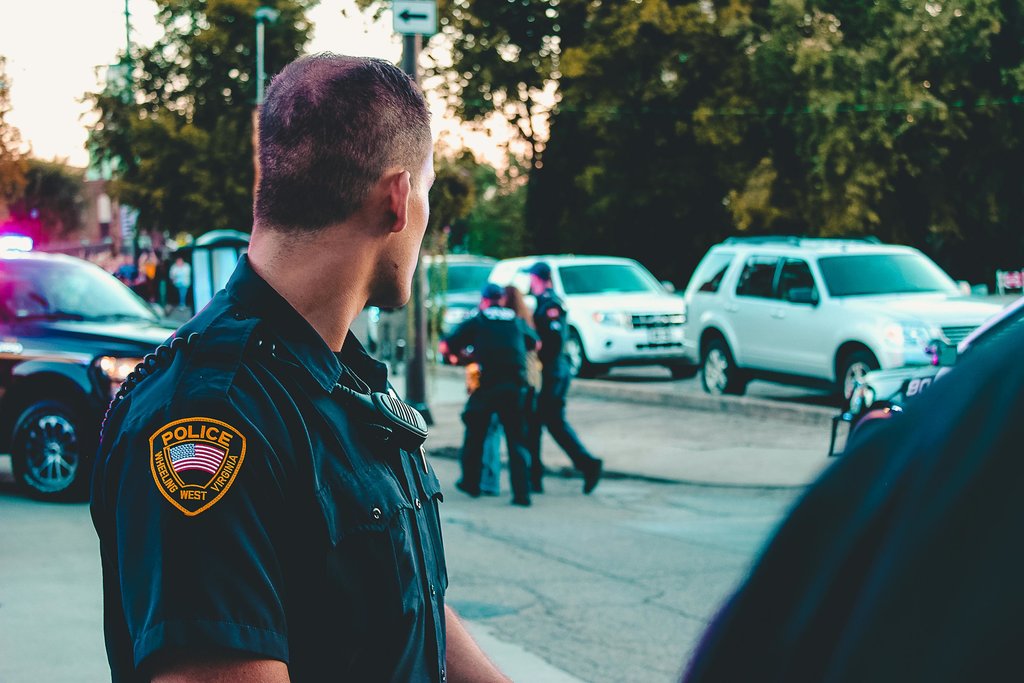
Governments have a duty to protect and uphold civil rights. Failure to act is a failure to fulfill this duty. For example, federal authorities may intervene when local police departments violate civil rights with patterns of excessive force or intimidation.
Civil Rights Can be Violated by Institutions
Non-state actors such as employers and schools can infringe civil rights. For example, a university that bases admissions on race.
Civil Rights Differ From Civil Liberties
Civil liberties are about what the government cannot do to you. Civil rights are guarantees of equal treatment and protection under the law. In practice, civil rights and civil liberties overlap significantly, and many people outside legal or academic contexts use these terms interchangeably.
Civil Rights Evolve Through Legal Processes
Civil rights can be expanded or clarified through legislation. For example, The Civil Rights Act of 1964 broadened protections against discrimination.
Civil Rights Require Access to Remedy
When violated, civil rights must be enforceable in court or through public processes.
Civil Rights Apply in Public Domains
Civil rights apply to places and areas controlled by the government or open to the public such as government offices, schools, public transportation, public space and private businesses that serve the public such as restaurants, hotels and shops. They do not govern private relationships or personal choices.
Civil Rights Can be Expanded But Not Denied Arbitrarily
Governments may enhance civil rights but cannot revoke them without a significant process such as a constitutional amendment.
Civil Rights Are the Foundation of Democracy
Without equal rights, full and fair democratic participation is impossible. Civil rights protect the legitimacy of the political system.
Summary
Civil rights are the legal protections that guarantee individuals equal treatment and participation in society regardless of their identity or background. These ensure fairness in key areas such as voting, education, employment and justice.
6 Shares
Rights
This is the complete list of articles we have written about rights.
John Spacey. "What are Civil Rights? (15 Key Points)." Simplicable. Retrieved November 16, 2026. from https://simplicable.com/society/what-are-civil-rights
Cookies help us deliver our services. You have choices regarding these cookies. Please visit our privacy policy, cookie policy and consent tool to learn more.
Copyright 2002-2026 Simplicable. All rights reserved. This material may not be published, broadcast, rewritten, redistributed or translated. Report violations here.