Impressionism is an 19th century art movement with a distinctive style that is instantly recognizable. The following are its basic characteristics.
Light
An accurate depiction of light including ambient light.
En Plein Air
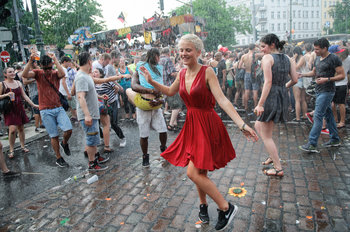
Impressionists left the studio and often painted outdoors in pursuit of natural light and contemporary life.
Time
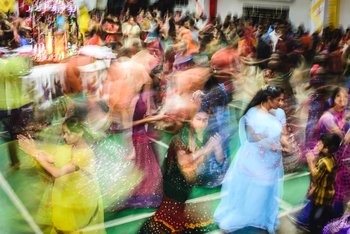
Impressionist works often convey a sense of movement and the passage of time.
Brush Strokes
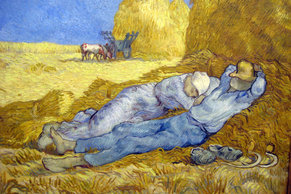
Thin, visible, free brushstrokes.
Color
No attempt to blend or shadow to smooth out differences between colors.
Line
Line is deemphasized in favor of color and free brushstrokes.
Unusual Viewing Angles
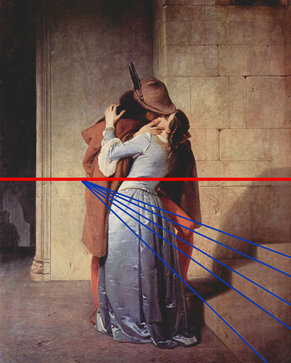
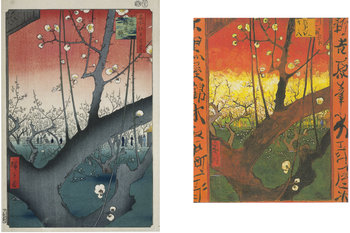
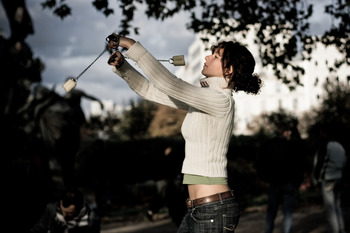
Many impressionist works are unconventional compositions that view subjects from unusual angles. This is thought to be the influence of Japanese ukiyo-e art prints that started arriving in Europe in the 1850s.
Soft Fuzzy Look
As an overall style, impressionist works tend to have a soft fuzzy feel.
Mood & Atmosphere
It is common for impressionist works to convey a mood and atmosphere. In other words, they are emotional.
Ordinary Contemporary Subjects
The impressionists chose ordinary scenes and subjects of their day. This was unusual at the time as the dominant styles of the 1860s such as Neoclassicism and Romanticism depicted idealized scenes from antiquity.
Realistic Depictions
Subjects and scenes are represented in a realistic way.
Time Period
All art movements have a time and place that isn't replicated later. The impressionist style emerged as early as the 1860s. The movement is usually placed as 1870-1930. Impressionism influence later movements such as Neo-Impressionism, Post-Impressionism and Cubism.
Rule Breakers
The impressionists were rebellious artists who challenged a long period of stagnation in European art known as Academic Art whereby prestigious institutions attempted to standardize art.
Popular Style
Impressionism was rejected by critics of its day but had popular appeal. In fact, the term impressionism was coined in a completely negative satirical review by critic Louis Leroy. The official art exhibition of the Académie des Beaux-Arts in Paris known as the Salon often rejected the works of Claude Monet, Pierre-Auguste Renoir and Paul Cézanne. This led Emperor Napoleon III to decree that the public be allowed to judge works for themselves leading to the establishment of the Salon des Refusés (Salon of the Refused). This eventually drew bigger crowds than the Salon itself such that impressionism threatened the art establishment of its day.
86 Shares
Art
This is the complete list of articles we have written about art.
Cookies help us deliver our services. You have choices regarding these cookies. Please visit our privacy policy, cookie policy and consent tool to learn more.
Copyright 2002-2026 Simplicable. All rights reserved. This material may not be published, broadcast, rewritten, redistributed or translated. Report violations here.