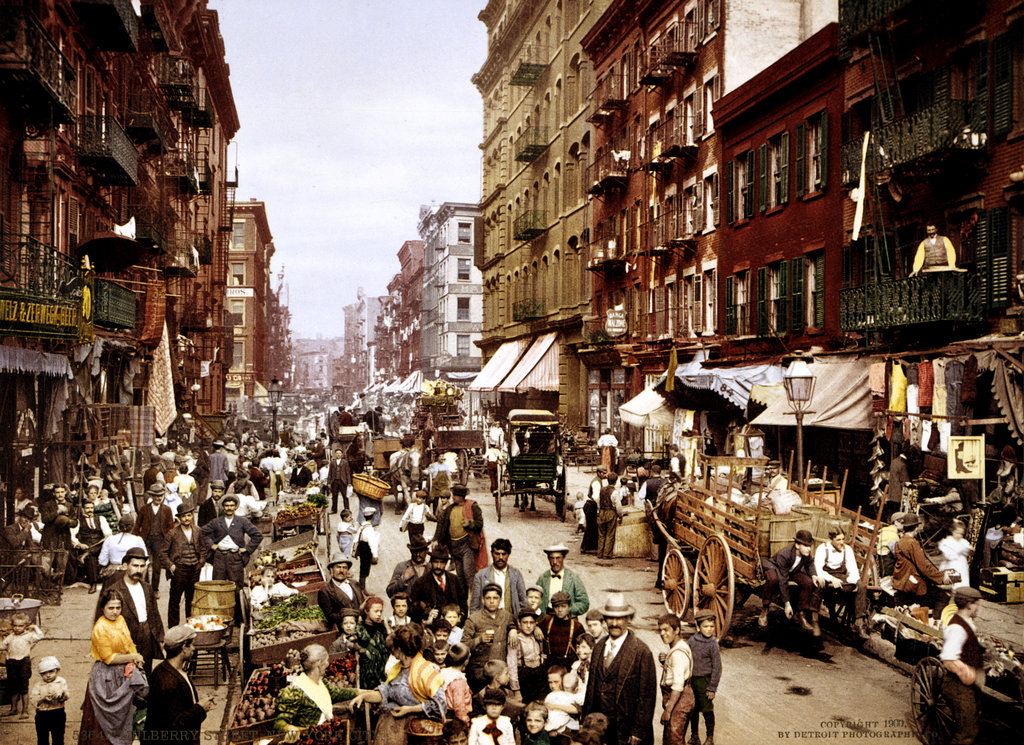
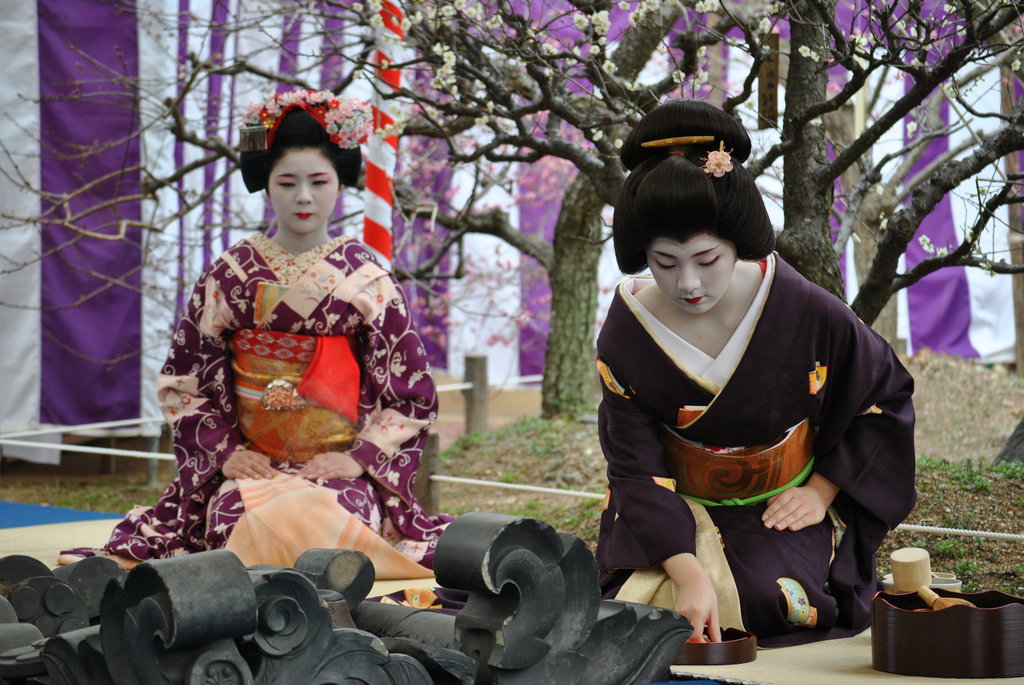
History is the study of the past. Everything that has ever happened is in the past such that the importance of history can feel self-evident and intuitive. However, people can be very present or future focused such that disregard of history is common. As such, it is important to recognize and communicate the value of history to each generation of students.
Gaining Perspective
History provides context and perspective for the present. If there are dramatic political events in your time, it is important to be aware of how unusual or commonplace they may be in the grand scheme of history. In many cases, the context of history can make your arguments stronger and your strategies more effective.
Learning From Mistakes
As a society, culture or community it is important to learn from the mistakes of the past. Otherwise these mistakes may be repeated. The lessons of history were painful and unbelievably difficult. Not learning from them is unthinkable.
Political Awareness
Developing an understanding of political systems, movements and power dynamics by looking at how these things have evolved and functioned in the past. For example, not viewing a system such as communism as an abstract set of ideals but rather looking at the realities of historical communist societies.
Critical Thinking
History is presented with narratives that can be challenged with evidence. The ability to form reasonable analysis of history is a critical academic and life skill. Otherwise we may fall for simplistic, biased or politically motivated views of history that are incongruent with actual events.
Recognizing Patterns
Finding patterns in history such as the rise and fall of empires. These are useful for understanding the past and dealing with future challenges.
Overcoming Presentism
Presentism is a bias whereby modern people tend to analyze the past by using modern values, expectations and thinking. For example, assuming that historical people were unhappy with their life because it didn't conform to your values and lifestyle. Studying history can help you to understand the values and viewpoints of the past.
Understanding Society
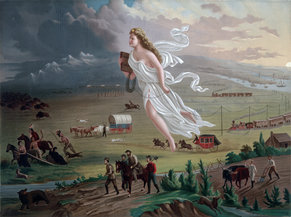
Society has deep roots in history that have influenced values, beliefs, perceptions, systems and institutions. It isn't possible to understand a society at any depth without a view of its history. For example, America's history as a land of opportunity for people willing to cross oceans and face immense risk for a chance at a better life. This has greatly shaped the national character of America around the idea of the American Dream.
Understanding Culture
Culture are the human elements of life that extend beyond mere survival to expressions of the human experience, imagination and spirit. History is an element of culture, often a big element, such that learning about history is part of living a cultured life.
Cultural Identity
Building a sense of pride in your identity based on the history of your nation, ethnic group or culture.
Cultural Heritage
Cultivating an appreciation for the cultural heritage which is tangible and intangible value that has been passed down from the past such as literature or architecture.
Cultural Competence
Foundational knowledge of history can help you to get along with people from different cultures. In many cases, people can feel disrespected if you don't understand major events in their history.
Learning About Human Nature
Biographies are particularly interesting historical accounts that outline the entire lives of remarkable people. These are a fundamental tool for understanding life, behavior and the human condition.
Understanding Change
Gaining a sense of the relentless pace of change that has characterized history as well as patterns of innovation, revolution, growth, stability, optimization, overextension, decline, collapse and transformation.
Preserving Tradition
Identifying aspects of history that are worth sustaining or preserving. For example, cultivating an appreciation of cultural practices that may enrich life.
Appreciating Achievements
Building up an appreciation for all that has been achieved by humankind or by a particular nation, community or group. For example, the successful defense of a nation and way of life that brought years of peace and prosperity.
Appreciating the Present
Developing an appreciation for the stability and relative easy pace of modern life as compared to the toils of history. It is also important to appreciate all the sacrifices that have been made to make a society or way of life possible.
Promoting Peace
Developing an appreciation of the futility and devastating nature of conflict and war to advocate for peace, conflict resolution and understanding. History makes it clear that war is a terrible thing. This can be contrasted with the entertainment industry that tends to present conflict as being compelling and deeply meaningful.
Inspiration From the Past
The past has heroes, compelling stories and amazing triumphs of the human spirit. It offers wisdom and countless examples of failures, mistakes and treacheries to be avoided. Understanding the past can be an inspiration to your life that makes you more well-rounded as a person.Next read: Types of History
John Spacey. "Why History Is Important (18 Reasons)." Simplicable. Retrieved November 16, 2026. from https://simplicable.com/history/why-history-is-important
Cookies help us deliver our services. You have choices regarding these cookies. Please visit our privacy policy, cookie policy and consent tool to learn more.
Copyright 2002-2026 Simplicable. All rights reserved. This material may not be published, broadcast, rewritten, redistributed or translated. Report violations here.