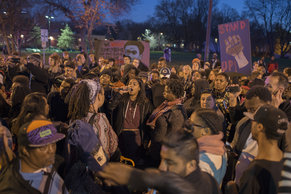
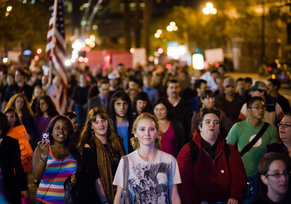
A boycott is a collective refusal to engage in certain economic, social or political relations with an individual, organization or country to express protest or to exert pressure. The term originated in 1880 when Irish tenants shunned land agent Charles Boycott, refusing to work with him. A boycott is peaceful type of activism and direct action often used by individuals and groups to oppose specific policies, actions or behaviors. The following are the key things to know about boycotts:
Boycotts Are Collective
Boycotts are organized actions by a group rather than isolated individual choices. Similar individual choices are referred to as ethical consumption.
Boycotts Are Purposeful
Boycotts have an identified purpose with intent to create change. Even when the intended result is not clearly articulated, boycotts stem from a sense of injustice, resistance, solidarity or call for accountability.
Boycotts Have a Target
Boycotts are directed toward a clearly identified government, institution, organization, company, group or brand. It is also possible for a boycott to have multiple targets such as an entire industry.
Boycotts Withdraw Support
A boycott refuses to buy, use, participate or engage in something. This can involve actions such as canceling subscriptions and closing accounts.
Boycotts Can Be Part of Larger Protests
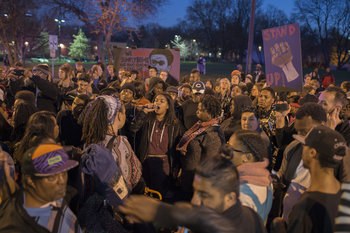
In many cases, a boycott is one tool of activism whereby protests or legal actions could also be used at the same time.
Boycotts Are Peaceful
Boycotts rely on peaceful methods to exert influence. Their strength lies in moral persuasion and economic leverage.
Boycotts Can Pressure or Punish
The goal of a boycott is to create consequences, generate accountability or apply pressure for change. Sometimes, the purpose is to express disapproval without expecting change.
Boycotts Can Have Conditions
Boycotts may express specific conditions that will end the boycott. For example, not purchasing from a company until they end some unjust policy.
Boycotts Can Generate Awareness
In many cases, the goal of a boycott is to generate awareness of an issue. As with any protest, the boycott may engage celebrities and influencers to help communicate the issue.
Boycotts Use Economic Leverage
By disrupting normal consumption or participation, boycotts can impact the revenue of a target. This in turn may give management the duty to address the boycott in order to represent the interests of their stakeholders such as investors and employees.
Boycotts Require Sacrifice
In many cases, products and services are difficult to replace such that a boycott can require personal sacrifice and costs. This underlines the seriousness of the protest.
Boycotts Are Voluntary
Unlike government actions such as sanctions, boycotts are voluntarily organized with the cooperation of concerned consumers.
Summary
A boycott is a type of activism and direct action that involves not buying, engaging or participating in any transaction or relationship with a target. Common targets are governments, industries, institutions, companies and brands.
4 Shares
Political Strategy
This is the complete list of articles we have written about political strategy.
Cookies help us deliver our services. You have choices regarding these cookies. Please visit our privacy policy, cookie policy and consent tool to learn more.
Copyright 2002-2026 Simplicable. All rights reserved. This material may not be published, broadcast, rewritten, redistributed or translated. Report violations here.