





Hard Infrastructure
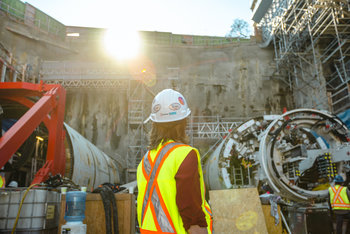
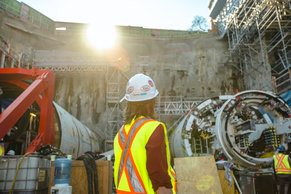
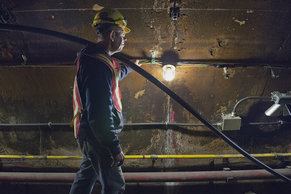
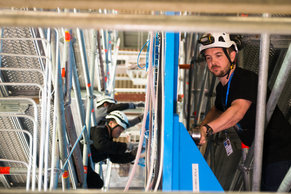
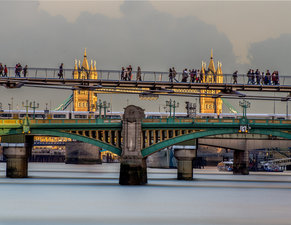
Hard infrastructure are the physical structures, facilities and systems that are necessary for the functioning of a society, business or economy. This is the traditional view of infrastructure, whereby it was historical viewed as large scale physical things such as a bridges or ports that are required for a nation to function. As nations have modernized, technologies and related facilities such as network infrastructure and data centers have become key types of hard infrastructure.Airports | Aqueducts |
Bike lanes | Bridges |
Canals | Cell towers |
Container docks | Data centers |
Electric grids | Energy storage systems |
Ferry terminals | Fiber optic cables |
Flood barriers | Gas distribution networks |
Highways | Hydroelectric dams |
Irrigation systems | Landfills |
Parking lots | Pedestrian walkways |
Power plants | Rail stations |
Railways | Recycling centers |
Reservoirs | Roads |
Satellites | Seaports |
Sewer systems | Shipping ports |
Solar panels | Space stations |
Spacecraft | Stormwater drains |
Subway stations | Telephone lines |
Train tracks | Tunnels |
Wastewater treatment plants | Water desalination plants |
Water filtration systems | Water meters |
Water pumping stations | Water pumps |
Water towers | Wells |
Wind turbines |
Soft Infrastructure
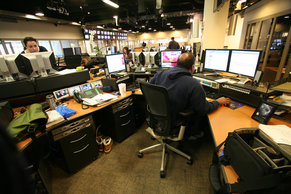
Where hard infrastructure is physical, soft infrastructure is non-physical and includes things like institutions, services and software. In a modern advanced nation, soft infrastructure can be far higher value than hard infrastructure as these include foundational systems and services in areas such as government, healthcare, education, technology and finance.AI platforms | APIs |
Air traffic control | Banking system |
Consumer protection | Education systems |
Emergency services | Financial systems |
Governance | Healthcare systems |
Hospitals | Industry standards |
Internet services | Legal system |
Media outlets | Operating systems |
Payment systems | Policing Services |
Public services | Regulations |
Regulatory agencies | Schools |
Security services | Software systems |
Stock markets | Technology platforms |
Universities |
Counterexamples
It is very common for a broad range of things to be viewed as infrastructure such that the question arises, what isn't infrastructure? The distinction between infrastructure and non-infrastructure is that infrastructure is foundational such that it has other things build on top of it. For example, you could think of a university as providing foundational education services for society and the economy. Products and services that are used directly that aren't intended for building other things on top aren't infrastructure. Counterexamples of infrastructure depend on context. For example, your private vehicle isn't infrastructure but a vehicle that plays a role in a critical service such as a fire engine is infrastructure.Advertising | Art |
Consumer electronics | Consumer goods |
Luxury goods | Movies |
Music | Private homes |
Private vehicles | Theme parks |
Hard Infrastructure vs Soft Infrastructure
The line between modern hard and soft infrastructure is incredibly blurry. This is because physical and non-physical infrastructure are always intertwined. For example, a hospital is physical but can be viewed as soft infrastructure because its services are worth far more than the building over time. Likewise, a road could become useless without soft infrastructure such as policing services. As economies advance, hard infrastructure gets wrapped in so many services that its value becomes less and less physical. This can be seen in technology where hardware is often not worth as much as the software it is running, data it is storing and services it is providing.Levels
Traditionally, the term infrastructure was applied to the grand works of society such as highway systems or ports. With time, this term was adopted by businesses and other organizations to describe smaller scale foundational services. For example, a business that views a software platform it uses as infrastructure. It is also increasingly common for individuals to think of things as personal infrastructure. For example, you might think of a financial tool you use for budgeting as a type of infrastructure for your life.Summary
Infrastructure are the foundational services that unpin society. This includes physical things such as an electrical grid and non-physical things such as software that manages an electrical grid. Infrastructure includes massive public works such as a hydroelectric dam or airport and can also include smaller things such as a sidewalk or fire hydrant.