Emotions are temporary mental states that color thinking and behavior. These are generated by experiences and thoughts and temporarily change how you feel, think and behave. This gives human behavior great depth and flexibility whereby we can adapt quickly to each situation. The following are key things to know about emotions.
Temporary States
Emotions are temporary states that last seconds to minutes. Sustained emotions are known as moods.
Responsive
Emotions can be triggered by events, thoughts and other processes such as dreams.
Emotions Can Be Shaped
You can shape your own emotions by directing your thoughts and actions. For example, thinking positive thoughts can generate positive emotions.
Emotions Are Innate
Emotions are an innate feature of the mind. It's possible they are influenced by social constructs and social processes such as storytelling but this isn't clear. At any rate, emotions are a human capability and serve a purpose.
Negative Emotions Serve a Purpose
Negative emotions such as fear, regret, sadness or grief serve a purpose in life. These can malfunction. For example, you can develop irrational and excessive fears. However, these emotions in themselves have some purpose in the human experience.
Emotions Influence Thinking
Emotions influence your thoughts. For example, a joyful emotion could spark more optimistic thoughts and a sad emotion more pessimistic thoughts. This gives the same person different modes of thinking that is highly adaptive.
Physiological Changes
Emotions can trigger physiological changes such as making your heart beat faster.
Emotions Can Be Communicated
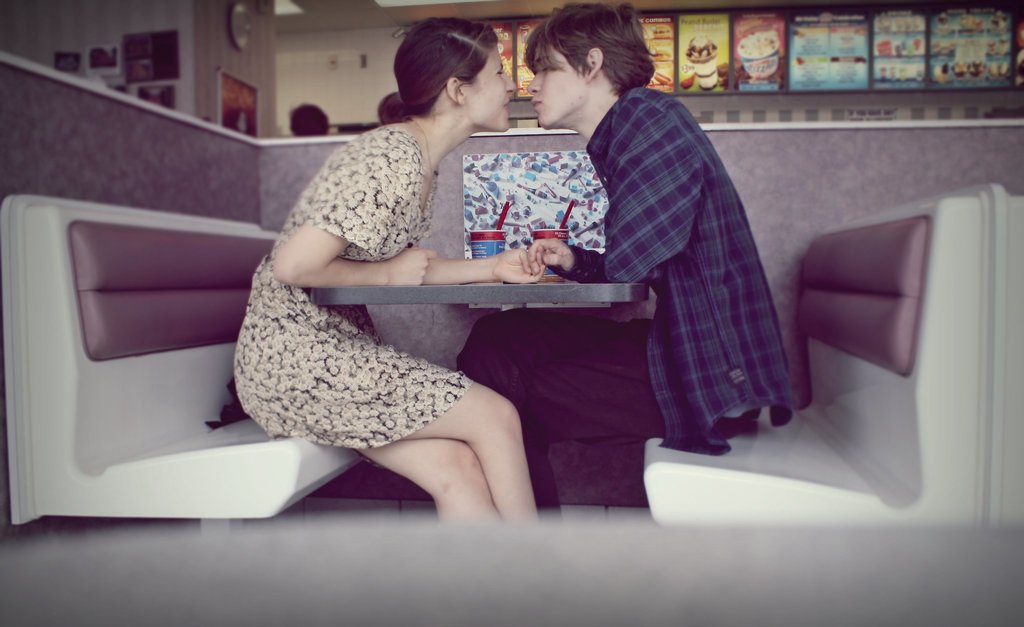
People can use communication including non-verbal communication such as a smile to transmit emotions.
Emotions Can Be Perceived
Even if you're not trying to communicate your emotions, people may perceive them.
People React to Emotions
People commonly react more to the emotional tone of your words than to the content of the words themselves.
Emotions Can be Shared
You can share emotions with others with a social and cognitive process known as empathy. For example, being sad or happy for someone.
Personality
Everyone has emotions but the types of emotions you tend to have is related to your overall personality.
Emotions Influence
The use of emotion to influence is often more effective than other techniques such as a logical argument. As such, public speaking, marketing and politics tend to make heavy use of emotion.
Emotions Are Entertaining
Entertainment such as movies, video games and sports that don't have any emotional effect would be somewhat boring. People enjoy having their emotions influenced by entertainment.
Emotions Can Be Cultivated
You can cultivate great emotional depth by experiencing emotions in your life. For example, listening to music, experiencing nature, viewing art and social processes may help a person to develop great emotional understanding of life.
Emotions Have Complements
Emotions have opposites such as joy and sadness. These actually amplify each other. For example, joy wouldn't feel as wonderful if you had never felt sadness. Emotions add great depth to the human experience and are viewed as one of the most rewarding aspects of life.
Summary
Emotions are mental states that influence thinking, behavior and the body. These are functional and allow humans to adapt to situations. For example, the fight-or-flight response triggered by fear.
Cookies help us deliver our services. You have choices regarding these cookies. Please visit our privacy policy, cookie policy and consent tool to learn more.
Copyright 2002-2026 Simplicable. All rights reserved. This material may not be published, broadcast, rewritten, redistributed or translated. Report violations here.