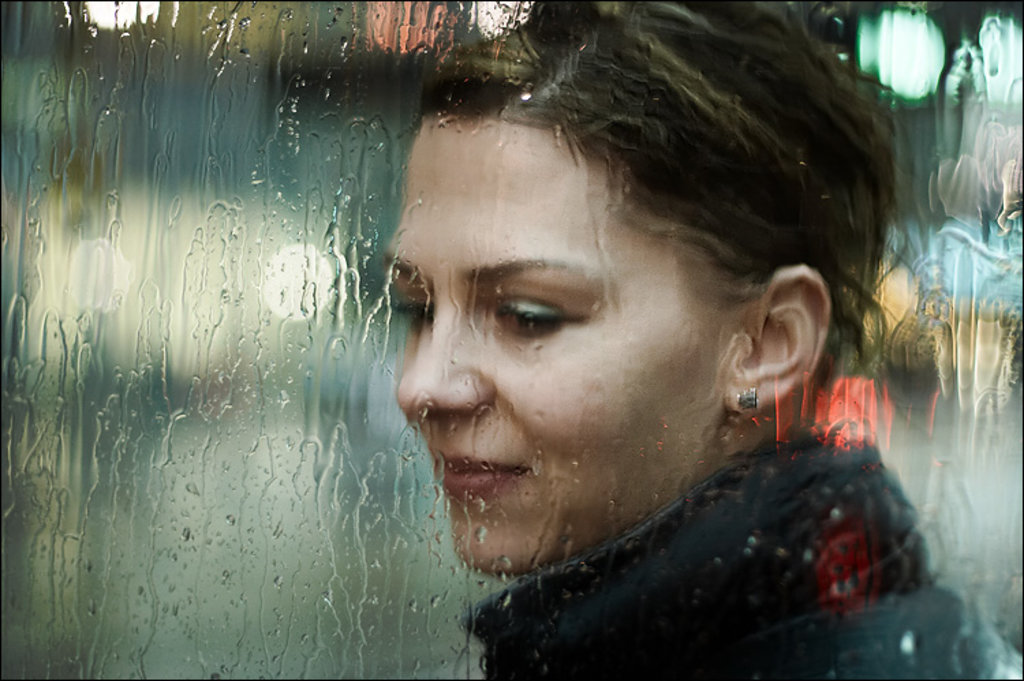
Love is a positive feeling of emotional connection and admiration for another person. This is a universal human behavior found in every culture such that it is an innate human ability and characteristic.
Falling in Love
Love is often described an intuitive and spontaneous emotion whereby you "fall in love." This can feel somewhat irrational whereby you may not fully understand why you feel so strongly about a particular person.
Infatuation
Love has many variations including an intensive interest in someone known as infatuation. This is also described as having "a crush" whereby your emotions are suddenly greatly heightened and you feel a little nervous around someone. You may also find yourself thinking about them a lot. Infatuation can happen instantaneously -- this is known as "love at first sight." It can also end suddenly.
Romantic Love
Love that includes an element of romantic attraction whereby you see the other person as a potential partner.
Familial Love
People intuitively and strongly love their parents, children, siblings and other members of their family. This is strongly protective and supportive and functions to create family bonding, unity and connection. Families are a institution and are the foundation of society such that this love helps to hold society together.
Altruistic Love
Compassion for people in general such that you can act in unselfish ways for the betterment of society or humanity. It is possible to view others with love much of the time or all of the time. This can be viewed as transcendence over negative emotions.
Bonding
Love is built up and strengthened with a process of social bonding whereby you spend time together and go through things together. Social bonding is recognized as an important part of childhood development whereby children need love, connection and social interaction such as play.
Acceptance
An important element of love is that it allows you to accept others as they are -- including the good and the bad. This is a remarkable thing if you think about it whereby people are able to see others in a generally positive light despite their flaws.
Unconditional Love
Love can be unconditional whereby you would feel it no matter what. For example, you feel it even if it makes your life much harder in some way.
Admiration
Love has several varieties whereby you may love someone who needs protection and help. It is also possible to love someone for their strengths whereby you may admire their character, talents or spirit.
Sacrifice
A key feature of love is that it makes you willing to make sacrifices. Love can be so intensive that these may not even feel like sacrifices as you simply feel the need to help someone out.
Love of Life
It is possible to love things other than people such as a pet or a sunset. Love is a human social ability that allows us to form extremely close social bonds. However, as a general feeling it can be applied to anything, even physical objects. For example, you may love an old guitar using much the same emotions that you would apply to a person. Likewise you may simply love the universe, consciousness and the human experience.
Pain of Love
Emotions tend to have complementary opposites. For example, joy and sadness aren't only opposites but actually add to one another whereby joy wouldn't be as strong if you had never known sadness. Love is often described as both a wonderful and deeply painful thing whereby it opens you up to greater highs and greater lows.
Emotional Depth
The capacity to love is a type of emotional depth that can be cultivated with experience. For example, people may mature to become less prone to infatuation based on superficial things such as looks and more capable of altruistic love based on compassion and understanding.
Summary
Love is an emotion or sustained human behavior whereby we can fully accept someone, admire them and want to support them. This can be enduring and durable such as unconditional love for a family member or can be a more fleeting thing such as infatuation that lasts a few days.
Cookies help us deliver our services. You have choices regarding these cookies. Please visit our privacy policy, cookie policy and consent tool to learn more.
Copyright 2002-2026 Simplicable. All rights reserved. This material may not be published, broadcast, rewritten, redistributed or translated. Report violations here.