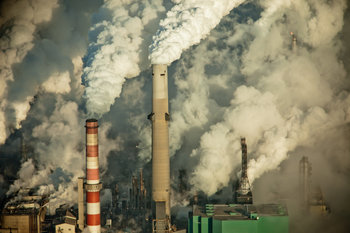
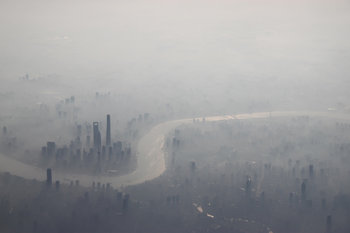
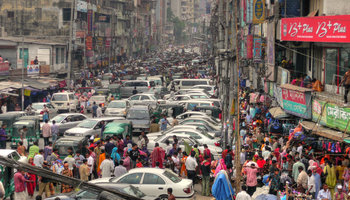
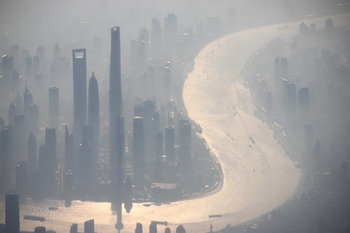
Air quality is the suitability of air for breathing. It is often measured for a city in terms of the levels of ozone, sulfur oxides, nitrogen oxides, carbon monoxide and particulates in the air. Other air pollutants include volatile organic compounds, toxic metals such as lead and mercury, radioactive pollutants and persistent organic pollutants.
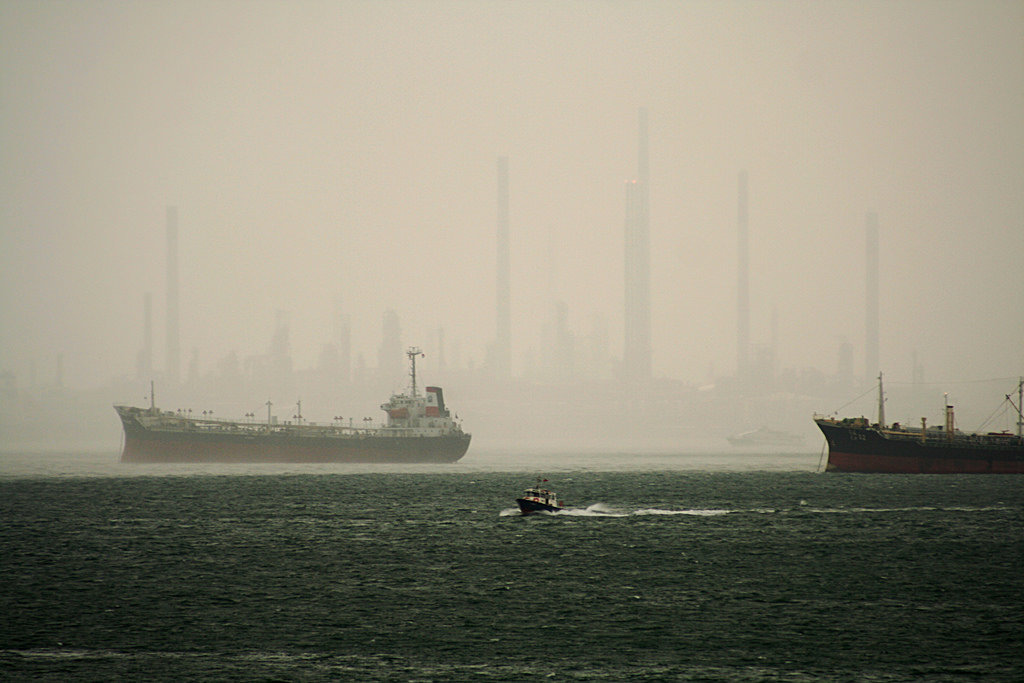
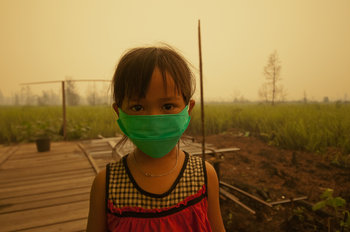
A category of weather patterns known as air stagnation can cause air quality to suddenly decline as local or regional sources of pollution accumulate. This can lead to health emergencies such as the Great London Smog of 1952 that claimed the lives of an estimated 4,000 to 12,000 people. Air pollution episodes can also occur over vast regions such as the 1997 Indonesian forest fires episode, 2005 Malaysian haze episode and 2006 Southeast Asian haze episode.
Cookies help us deliver our services. You have choices regarding these cookies. Please visit our privacy policy, cookie policy and consent tool to learn more.
Copyright 2002-2026 Simplicable. All rights reserved. This material may not be published, broadcast, rewritten, redistributed or translated. Report violations here.