Identity is how an individual or group views themselves. This includes our perceived characteristics, experiences, relationships, social roles, background, values and beliefs. Identity forms a comprehensive image of who you are as a person. Our identity is shaped not only by how we see ourselves but also by how we believe others perceive us and by the social contexts in which we live. The following are the key things to know about identity:
Identity is Mostly Self-Perception
Identity includes both self-perception and how you are perceived by others but it is primarily rooted in self-perception. There is much interaction between these two as your self perception influences how you present yourself and behave and people will react to this in a feedback loop.
Identity is Not Fixed
The way that we view ourselves, our sense of "who we are", is not permanent but rather changes and evolves over time. For example, as a teenager you may view yourself as a musician because you're in a band but later in life this part of your identity may become less central as you move on to other things.
Identity Can Stabilize
After a period of growth, exploration or change individuals can reach a point where their sense of self becomes more consistent, coherent and secure.
Identity Can be Disrupted
Identity can suddenly shift due to internal or external events. This can potentially cause an identity crisis which is a period of deep uncertainty or confusion about who you are as a person. For example, a parent who has an identity crisis when their children grow up and leave the home.
Identity is Multidimensional
Every individual has many aspects to their identity. Some of these are individual such as a talent that you have and some of these are shared with others such as your nationality.
Identity is Shaped by Experiences
Experiences whether positive or negative, mundane or transformative can deeply influence our sense of self. For example, a harsh criticism that damages our confidence or an accomplishment that renews it.
Identity is Part of Self-awareness
Self-awareness is the ability to reflect on yourself. This can create a clearer sense of identity that is aligned to your true characteristics. For example, an individual with a good sense of their strengths and weaknesses who incorporates these into their sense of identity.
Identity is Linked to Cultural Background
Cultural background includes factors such as ethnicity, race, language, hometown, social class, religion, family history and ancestors. This can also include way of life, values, norms, beliefs, traditions, customs and worldviews from cultural environments you have experienced.
Identity Reflects a Sense of Belonging
Social belonging is one of the most fundamental human needs and our identity is often greatly influenced by the groups, communities and contexts where we feel recognized, accepted and valued. Based on this our identity may align to family, cultures, ethnic groups, religious communities, peer groups and any other social groups to which we belong.
Identity Can Include Social Roles
Identity can be greatly influenced by family, professional and community roles such as parent, teacher or volunteer.
Identity Can be Influenced by Social Status
Social status is the respect and recognition that you get from others. This can greatly influence how you view yourself. Social status has many dimensions such as wealth, physical appearance, intelligence, youthfulness, coolness and popularity.
Identity Can Include Beliefs and Values
Who you are is not just about the roles you play or the groups you belong to but also what you stand for, what you believe in and what you think is important in life. For example, someone who identifies with a political cause or philosophy.
Identity Can Be Influenced by Societal Expectations
Others purposely help us to shape our identity. For example, family and teachers who set exceptions for children on how they are to live, behave and interact. Likewise, media portrayals of how people should look, behave and succeed can influence identity.
Identity Can be Self-Defined
Individuals have the power to shape and define their own sense of self independently of external forces such as societal expectations, family pressures or cultural norms.
Identity Can be How You Think You're Perceived
How we imagine others perceive us can profoundly impact how we view ourselves. This is linked to a need for external validation whereby we want to confirm that others believe in us or see us in a particular way. Humans are highly social beings and this is built into our nature. However, people do overcome this and we tend to be more self-defining as we mature.
Identity Is a Form of Self-expression
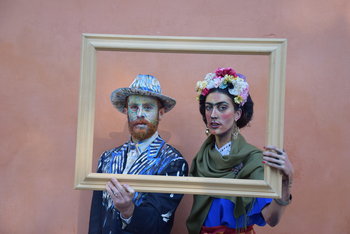
Identity has a creative element whereby people actively express themselves and experiment with their identity. This can be seen in fashion whereby people use clothing, accessories and style to reflect different aspects of themselves.
Identity Influences Thinking and Emotion
Identity isn’t just a passive reflection of who we are but actively shapes our thought patterns, emotional responses and overall cognitive frameworks. For example, a parental identity that invokes protective and mature thinking.
Identity Influences Behavior
Identity influences behavior in major ways shaping decisions, actions and interactions. For example, people commonly frame behavior to reflect roles, strengths and beliefs.
Summary
Identity is how individuals and groups view themselves. This includes personal identity that is an individual's sense of self — who they are, how they perceive themselves and how they relate to the world. This can be greatly influenced by social identity that relates to the groups an individual feels that they belong to.
7 Shares
Identity
This is the complete list of articles we have written about identity.
Cookies help us deliver our services. You have choices regarding these cookies. Please visit our privacy policy, cookie policy and consent tool to learn more.
Copyright 2002-2026 Simplicable. All rights reserved. This material may not be published, broadcast, rewritten, redistributed or translated. Report violations here.