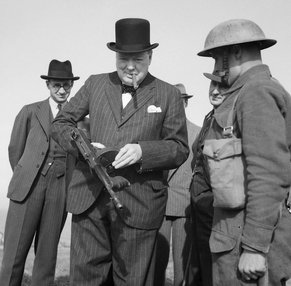
Confidence is belief in oneself and one's ability to handle real world situations. This is an admirable and valued character trait that allows an individual to make decisions, take action and potentially lead others. However, this can be confused with similar traits that are negative such as excessive self-promotion, complacency or overconfidence. The following are the key things to know about true confidence.
Confidence Isn’t Visual
You don't have to look confident to be confident and those who look confident may not be confident. For example, you could have body language that isn't commanding but be quite confident as a person. Some confident people may even downplay themselves in order to establish rapport or to allow others to make the mistake of underestimating them.
Confidence Is Based on Agency
Agency is an individual's capacity to act independently and to affect outcomes in their life. When you are confident you believe that you have agency.
Confidence Isn't a Facade
Confidence isn't how you project yourself to others. It's not performative but is rather a foundational cognitive trait or state.
Confidence is Based on Internal Locus of Control
An internal locus of control is the belief that you are responsible for your successes and failures such that you aren't a mere victim to external forces. This is a foundation for confidence whereby an individual sees themselves as capable and responsible for what happens.
Confidence is Decisive
Confidence can make decisions and take action in the face of chaos and uncertainty.
Confidence is Risk-Taking
You can be a conservative person and be confident. However, in order to be decisive and take responsibility for yourself one must face uncertainty and take a bit of a leap once in a while. Always playing it safe and hiding under a rock isn't exactly confident.
Confidence Stretches
The confident do things before they feel they are fully ready. They feel a drive to step forward and act even where they may fail. Anyone who does something big wasn't ready for it when they started because there is no way to fully prepare for life before it happens.
Confidence Accepts Pressure
The confident do not shy away from difficulty and pressure. For example, an actor who has the pressure of an expensive scene that can only be shot once.
Confidence is Tolerance For Failure
The confident can endure failure. Failure and mistakes are a common and regular experience for most everyone such that you wouldn't remain confident for long with this type of resilience. For example, an actor who faces rejection again and again in auditions who remains confident in their talents.
Confidence is Stability of Identity
The confident don't easily change their view of themselves based on external factors such as failure or criticism.
Confidence Validates Internally
The confident aren't blind to results and don't simply ignore failure and criticism. However, they validate their thoughts, behavior and character internally and have the strength to endure periods where they are misunderstood by others.
Confidence is Forgiving and Positive
The confident are positive about themselves and forgive themselves for failures and mistakes. Hopefully, the confident aren't simply in denial about mistakes but cope with it and then move on.
Confidence Isn't Showy
If someone is always talking about how strong and confident they are, you might wonder if this is actually true as they may be trying to convince themselves of these things. It is not characteristic of strong confident people to feel the need to brag about these strengths.
Confidence Isn't Approval Seeking
Confidence would collapse if it were based on the approval of others. The confident may well enjoy praise but this can't be the foundation of confidence because you would be at the mercy of others and their ever-changing opinions of you.
Confidence Doesn't Care Much About Perceptions
A true hallmark of confidence is when someone isn't the least worried about asking a dumb question. When you know you're intelligent, if you don't know something it's not really your failure it's just something you don't know. Likewise, the confident say what they really think and don't try to sound smart.
Confidence is Situational
You may be confident in one situation and not confident in another. For example, a surfer who is supremely confident in the water but a quite nervous flier. This being said, some people are confident in almost all situations.
Confidence Is a Baseline
If you have spikes of confidence that quickly crash into self-doubt you aren't really confident as a person. Your baseline confidence that is stable and resilient is what matters.
Complacency Isn't Confidence
Complacency is self-satisfaction at some basic level of competence that fails to try new things, stretch and take risks. This isn't true confidence and can fall apart when challenged. For example, a manager who is good at their job who becomes complacent such that they lack drive to improve and take on new challenges. Such a manager is likely to be out of their depth if some disruptive change comes along.
Confidence Can Go Too Far
Confidence can become excessive whereby people take unreasonable risks or are in denial about their true capabilities. This is known as overconfidence or perhaps arrogance.
Summary
Confidence is a stable belief in oneself and the drive to take calculated risks to improve and achieve goals. This is a valuable trait that people admire such that it is common to fake confidence or view it as a performance as opposed to a foundational way of thinking about yourself. The truly confident aren't necessarily thinking about perceptions because by definition, confidence relies on internal validation and doesn't require approval or praise.
4 Shares
Confidence
This is the complete list of articles we have written about confidence.
Cookies help us deliver our services. You have choices regarding these cookies. Please visit our privacy policy, cookie policy and consent tool to learn more.
Copyright 2002-2026 Simplicable. All rights reserved. This material may not be published, broadcast, rewritten, redistributed or translated. Report violations here.