
What is Civility? (14 Key Points)
John Spacey, updated on
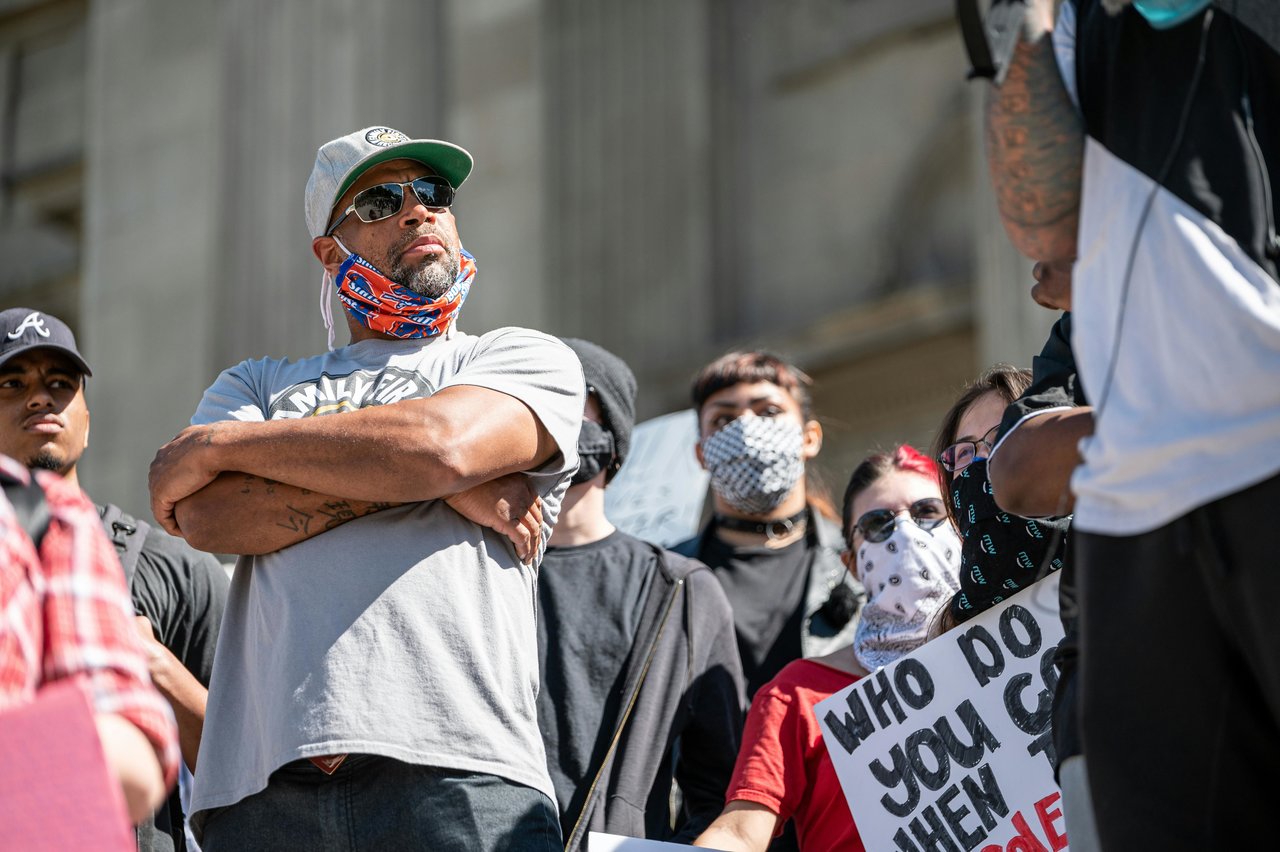
Civility prioritizes social harmony.
The civil person restrains personal impulses when those impulses would damage ongoing relationships or community function. This means choosing responses that are reasonable and helpful to a social situation rather than simply expressing what you feel in the moment. For example, offering constructive criticism to a colleague as opposed to mocking their ideas.Civility treats others as equals.
Civility recognizes the equal standing of others regardless of status, position or personal feelings. This principle of moral equality distinguishes genuine civility from mere politeness. For example, a senior executive who listens to subordinates and considers their input as opposed to harshly commanding them based on formal authority and power.Civility follows social rules.
Civility operates within the rules that apply to a context and culture. You can be a rule breaker and still be civil but you will try to follow rules that people deeply care about in order to get along with others. For example, keeping your noise down after 9 pm because this appears to be the norm in your neighborhood.Civility reduces conflict.
Civility isn't just a tool to use when conflict erupts but is a tool for actively preventing it. If you are respectful to others, follow important social norms and treat others with consideration, the potential for conflict with them is surely reduced.Civility deescalates conflict.
Conflict is common and can happen even if you are being perfectly civil. When a conflict does emerge, civility becomes doubly important as it calls for you to not escalate things based on your surging emotions but rather continuing to seek a way to resolve the conflict constructively. For example, calming calling a bully out on their bad behavior and reporting it to teachers as opposed to making yourself the bad person by doing something even worse in response.Civility balances directness with consideration.
Being civil doesn't mean avoiding difficult truths but rather delivering them in ways that the other person can process positively. This is a balance. Too much cushioning becomes dishonest but too little consideration becomes cruelty. For example, a doctor tells a patient "the prognosis is serious and we need to discuss treatment options" rather than leading with cold statistics about mortality rates.Civility is not silence.
Civility seeks social harmony but doesn't necessarily prioritize this over other important things such as justice or freedom. Civility can often become a type of social control if it goes too far whereby people avoid conflict at the cost of dealing with problems. Civility allows for speaking up when something is unfair but in a reasonable way that may generate tension proportional to the situation.Civility doesn't bend to incivility.
Civility is a standard of behavior you set for yourself regardless of how others act. If others break civility, you refuse to match their bad behavior. For example, a police officer who remains civil in the face of insults.Civility is often in the details.
Beyond major situations such as conflict, civility is found in the day-to-day minor courtesies that show that you respect others and pay them consideration. For example, being diligent with greetings, acknowledgments, apologies, thank-yous and gift-giving traditions.Passive-aggressiveness isn't civility.
In a highly civil culture or society where social harmony is prioritized, sometimes people will use passive-aggressive behaviors to be hostile and negative towards others. Civility requires positive intent whereby you are trying to create and sustain positive relationships. Passive-aggressive techniques of trying to attack others while technically staying withing the rules isn't true civility.Civility distinguishes between the person and the problem.
Civility allows you to discredit someone's ideas but doesn't allow you to try to discredit the person. This separation allows people to oppose each other vigorously while maintaining basic respect. For example, saying something like "you're incompetent" is very different from saying "that's a terrible idea and I'll tell you why."Civility preserves dignity.
Dignity is the principle that you recognize the inherent human worth of every person. When you treat someone with civility, you acknowledge them as human rather than merely obstacles or instruments. For example, a teacher who doesn't embarrass a student for their answer but rather looks for value in it even if it wasn't the answer they were looking for.Civility is not collectivism.
Collectivism is a culture that values group harmony and cohesion. This calls for extensive rules of civility whereby relationships and politeness in interactions is carefully maintained. However, civility can also flourish within individualistic societies that prioritize personal freedom and autonomy. For example, American individualism has historically operated as "communitarian individualism" where liberty coexists with voluntary moral obligations and civic engagement.Society requires civility.
Civility is a basis for cooperation across large groups including community and society. A breakdown in civility can cause a society to go into decline as it threatens the functioning of economic, social and political systems. For example, intense political polarization whereby society fragments into uncooperative groups that are hostile towards each other causing unrest, loss of trust in institutions and poor quality of life.Summary
Civility is the practice of treating others with respect and consideration. This is a basis for personal success in life as it allows you to get along with others, prevent conflict and resolve it when it does occur. Civility is also the basis for community and society whereby it is required as a social value in order for large groups to cooperate productively.
3 Shares
Civility
This is the complete list of articles we have written about civility.Citation
John Spacey. "What is Civility? (14 Key Points)." Simplicable. Retrieved November 16, 2026. from https://simplicable.com/society/what-is-civility
Civility
The definition of civility with examples.
Social Issues Data
A study of how often different social issues get mentioned in the United States.

Who People Trust
An overview of trust with data regarding attitudes towards trust and who people trust in society and their lives.

What is Peace
The key points to know about peace.

Norms
The definition of norms with examples.
Traditional Values
An overview of traditional values with examples.

Civic Engagement
An overview of civic engagement with examples.
Formal Situations
An overview of formal situations with examples.

Social Customs
An overview of social customs, list of examples and comparison to social norms.

Social Rules
An overview of social rules with examples.

Responsibilities List
A large categorized list of common responsibilities.

What is Tradition
An overview of tradition and its main characteristics.

What is Cooperation
The key things to know about cooperation.

Trending
The most popular articles on Simplicable in the past day.



New Articles
Recent posts or updates on Simplicable. Site Map


© 2010-2026 Simplicable. All Rights Reserved. Reproduction of materials found on this site, in any form, without explicit permission is prohibited.
View credits & copyrights for this page.
View credits & copyrights for this page.