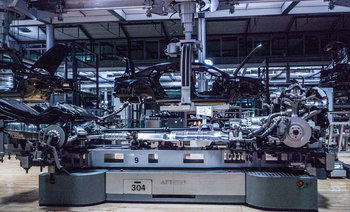
System quality is the degree to which a system achieves its purpose in an efficient and robust way. This goes beyond mere conformance to specifications to look at the operational attributes of the system. System quality also considers how well a system meets objectives, supports processes and is received by users.
Accessibility
Accuracy
Architectural conformance
Audit trail
Availability
Compliance
Configurability
Consistency
Cost efficiency
Data governance
Data privacy
Data protection
Data quality
Documentation
Fault tolerance
Fit for purpose – does what users need it to do
Functionality
Human error prevention
Installability
Interoperability
Learnability
Maintainability
Manageability
Meets requirements
Monitoring
Operability
Performance
Precision
Process integration – supports processes well
Process quality
Productive to use
Relevancy
Reliability
Resource efficiency
Responsiveness
Safety
Scalability
Security
Stability
Standards conformance
Supportability
Transaction integrity
Transaction throughput
Usability
User satisfaction
The quality of a system depends on its use and real world characteristics. For example, system quality depends on the quality of your operations, data and processes.
7 Shares
Types of Quality
This is the complete list of articles we have written about types of quality.
Cookies help us deliver our services. You have choices regarding these cookies. Please visit our privacy policy, cookie policy and consent tool to learn more.
Copyright 2002-2026 Simplicable. All rights reserved. This material may not be published, broadcast, rewritten, redistributed or translated. Report violations here.