Democracy is a system of government based on rule by the people. This is the dominant form of government amongst modern developed nations. Democracy has several key characteristics:
Social Contract
The social contract is the idea that people give up certain freedoms and take on certain duties in exchange for the benefits of living in an ordered society. This is the philosophical basis for democracy. In theory, this is based on consent. However, for pragmatic purposes you can't have people suddenly saying laws and taxes don't apply to them. So it isn't actually a choice.
Popular Sovereignty
Popular sovereignty is similar to the social contract and simply states that the authority of the government is based on the consent of the people who are the ultimate source of political power.
Representative Government
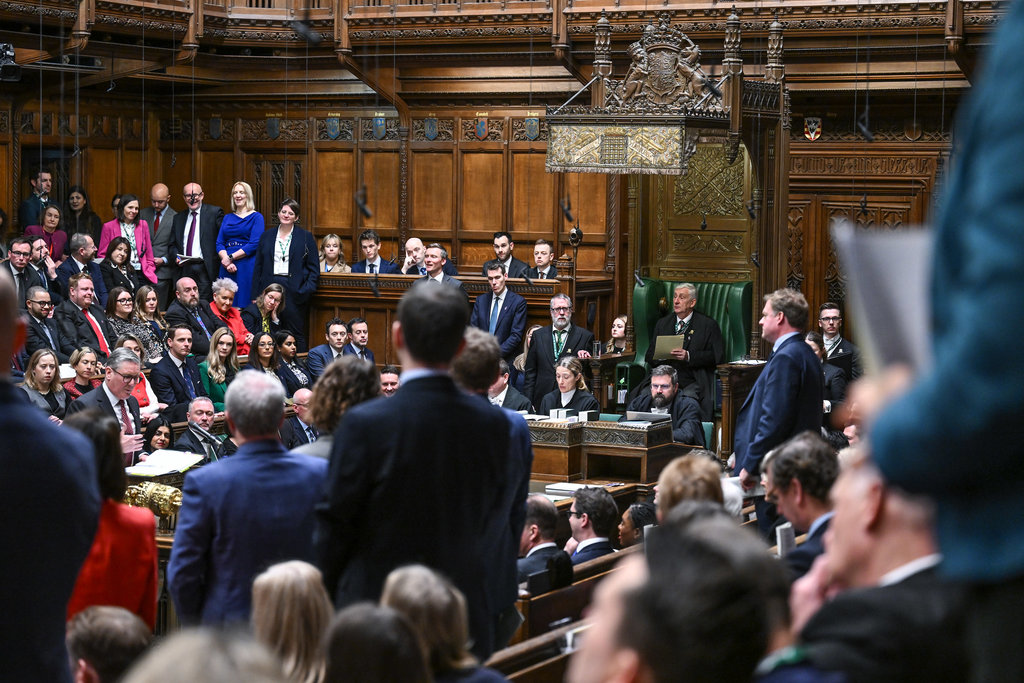
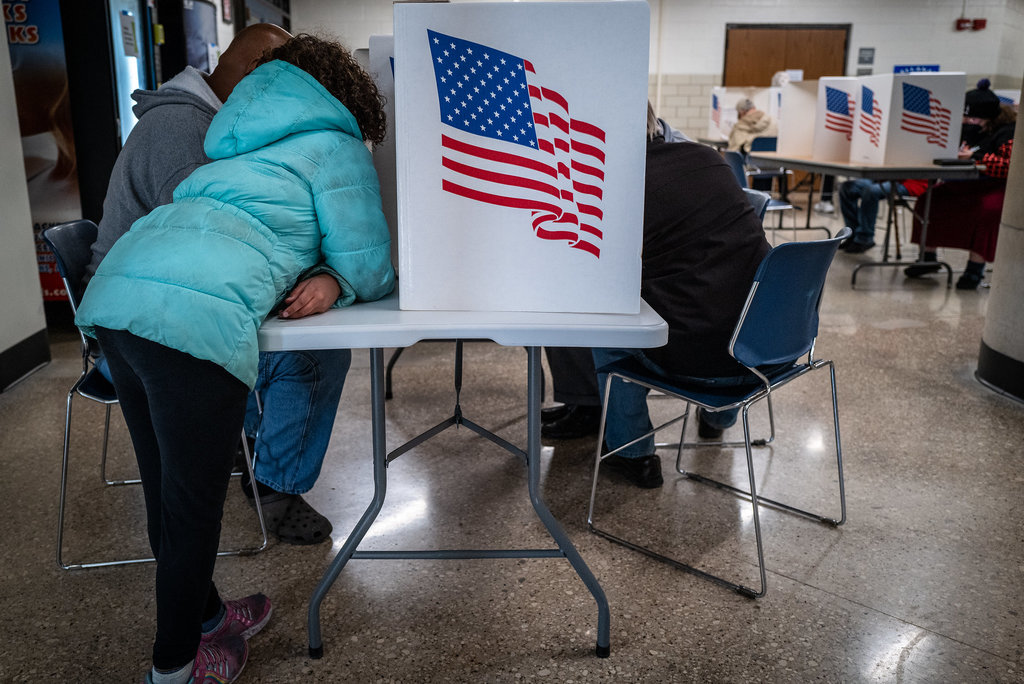
A system of government in which the people elect officials to make decisions and pass laws on their behalf. This is how real world democracies currently work.
Majority Rule
Power in a democracy goes to the majority. This has complexities where there are more than two parties but the general idea is that the most votes win and over 50% gives you power.
Minority Rights
Democracies have constitutions that protect individuals and minorities from the potential tyranny of the majority. In other words, their are limits to the power of government over the individual known as freedoms. For example, freedom of movement whereby it is an individual choice on where to live, travel and go.
Democratic Freedoms
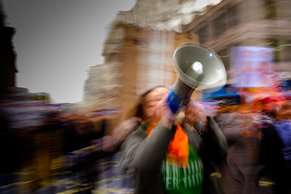
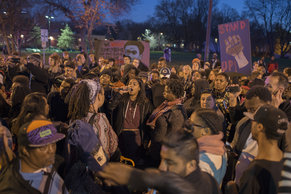
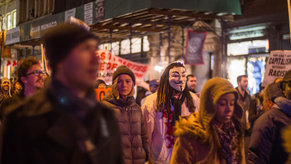
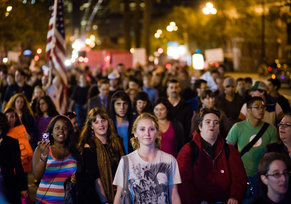
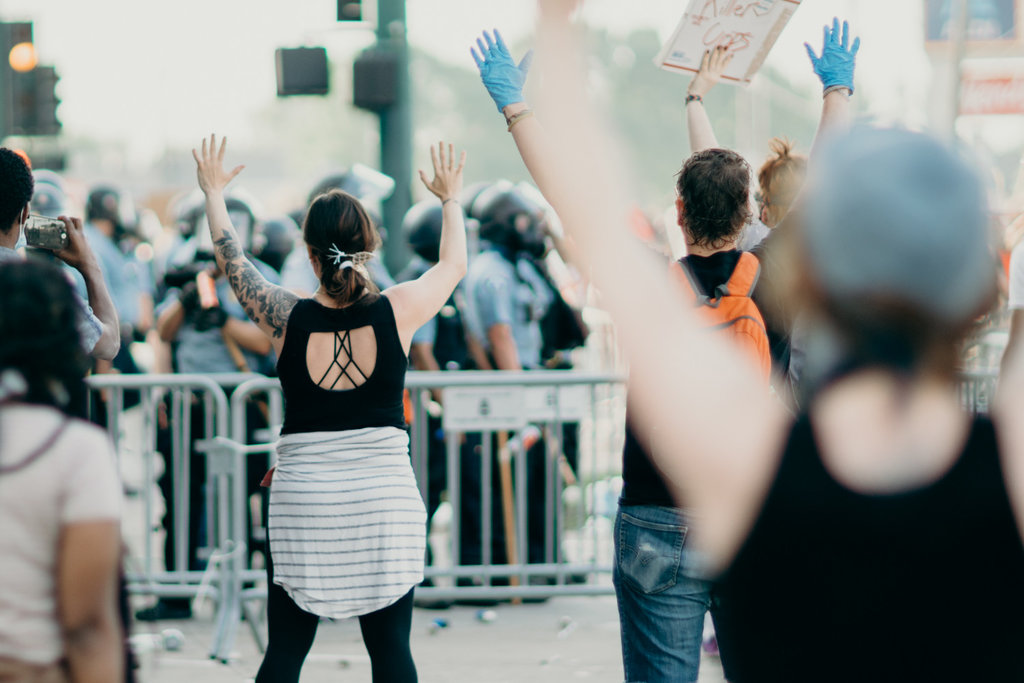
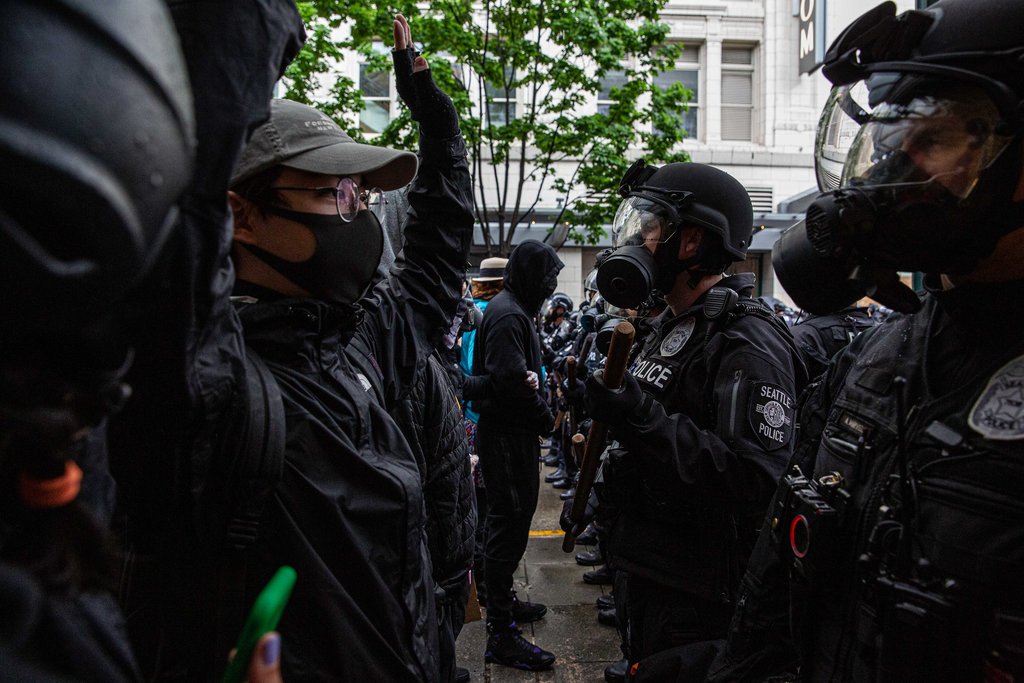
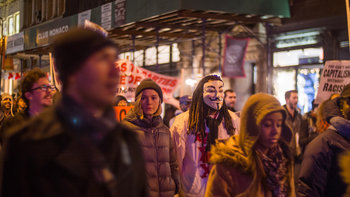
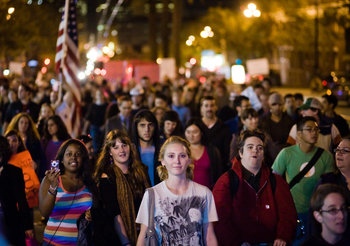
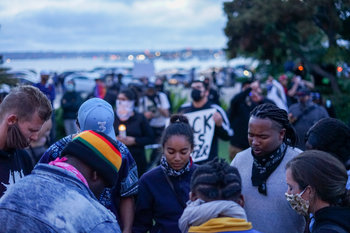
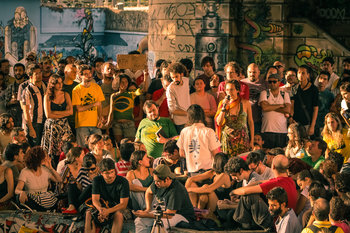
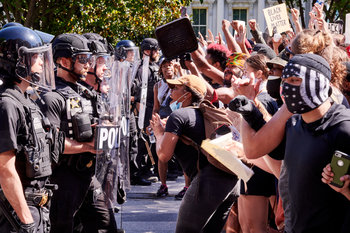
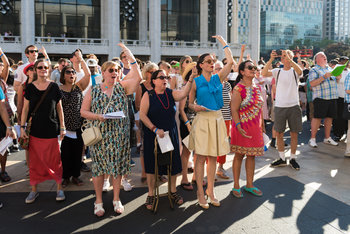
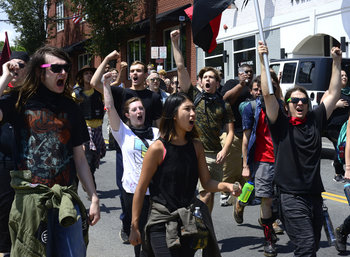
Freedoms that are critical to the democratic process such as freedom of speech, freedom of expression, freedom of assembly and freedom of association. Generally speaking, it's not really a democracy if people aren't free to share their views or protest.
Political Pluralism
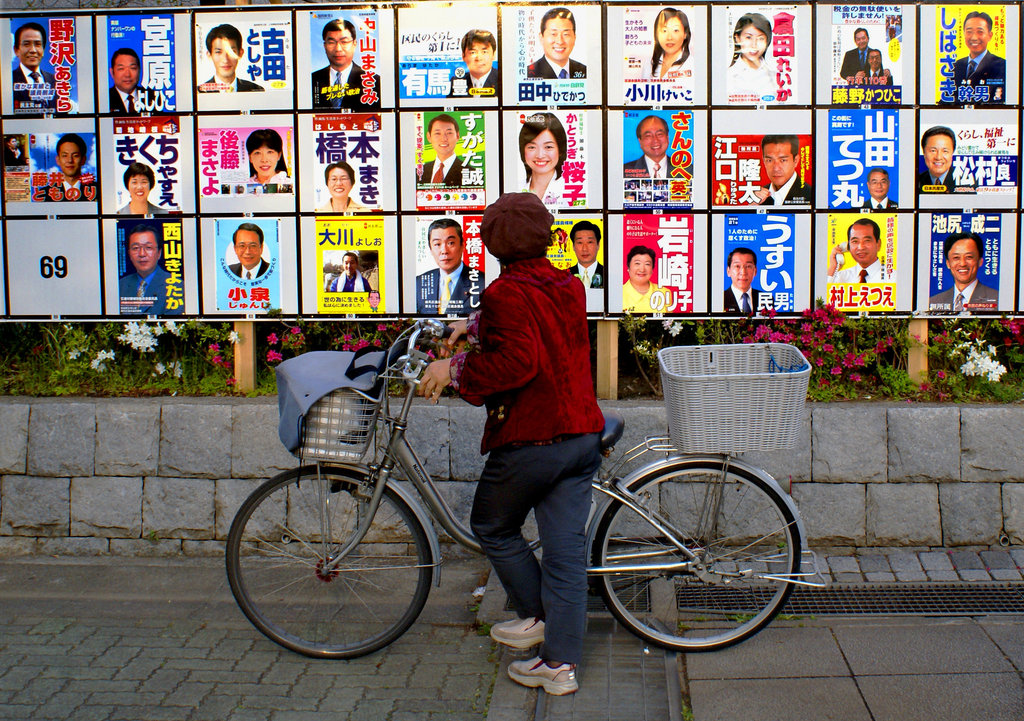
Democracy allows for any set of values, ideas and political beliefs. It allows diverse groups to organize, express their views and compete for political power. This makes democracy a type of universal political system where every political ideology or group can participate. (above: election posters in Japan)
Political Equality
Under a democracy, every adult of voting age has equal political power and there isn't supposed to be any special power for elites or corporations.
Sovereignty
Sovereignty is the principle that governments are free from outside control whereby the citizens of a nation have a right to govern their own country. This could be restricted by pressure from other governments or international agreements that bind democratic governments. This could be undemocratic if these agreements originate with elites and corporate powers.
Civic Responsibility
Based on the social contract, citizens of a democracy have certain duties such as obeying the law, paying taxes, voting, jury duty, maintaining civility toward others and staying informed.
Rule of Law
The rule of law is a principle of democracy that states that everyone regardless of status, position or authority is subject to the law. For example, the leaders of a nation and the police must obey the law.
Checks & Balances
Democracies are typically structured to distribute authority to prevent any one person or group from becoming too powerful and usurping the power of the people. For example, the United States is structured into three independent branches of government: the executive, legislative and judicial branches.
Rights & Freedoms
Rights are what are owed to an individual in a democracy such as an education. Freedoms are limits to government power under a democracy such as freedom of religion.
Government Responsiveness
Once elected, politicians are representatives of the people who are supposed to continue to be responsive to the people. Democracies are also supposed to be transparent whereby everything they do is open to the people without needless secrecy. Under a democracy, leaders are accountable meaning they must answer to the people.
Summary
Democracy is a system of principles and supporting institutions for creating a society that evenly distributes political power to all citizens.
Cookies help us deliver our services. You have choices regarding these cookies. Please visit our privacy policy, cookie policy and consent tool to learn more.
Copyright 2002-2026 Simplicable. All rights reserved. This material may not be published, broadcast, rewritten, redistributed or translated. Report violations here.