A cistern is a waterproof receptacle for holding water. These are commonly used to store harvested rain water, particularly in dry climates. Cisterns range from small water tanks to large-scale covered reservoirs. The following are common examples of cisterns.
Ancient Cisterns
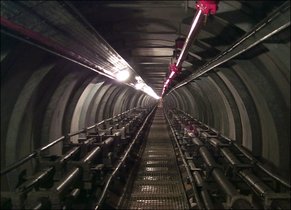
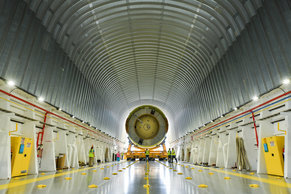
Many ancient cities and castles have elaborate underground cisterns that serve as impressive examples of ancient infrastructure. For example, the city of Istanbul has several hundred ancient cisterns below the city including the cathedral-sized Basilica Cistern.
Water Delivery
Residences that lack water service may have water delivered and stored in cistern.
Sustainability
Some regions and cities require new structures to harvest water with systems that typically include a cistern. This is designed to reduce storm runoff and conserve water resources.
Firefighting
Cisterns may be used as a backup or primary source of water for fighting fires in an area.
Irrigation
Systems for irrigating crops may include a cistern to hold excess water after rains. Greenhouses commonly harvest rain water and store it in a cistern.
Resilience
Cisterns can be used as an emergency water reservoir to improve water security. For example, they may be used if a primary source is disrupted by conflict, infrastructure failure, drought or environmental conditions.
Cookies help us deliver our services. You have choices regarding these cookies. Please visit our privacy policy, cookie policy and consent tool to learn more.
Copyright 2002-2026 Simplicable. All rights reserved. This material may not be published, broadcast, rewritten, redistributed or translated. Report violations here.