A social group is a group of people who form social bonds over time. People typically belong to multiple social groups that can overlap in various ways. For example, you may have coworkers and some of those coworkers may be friends. Social groups have several key characteristics:
Formal or Informal
Social groups can be formally organized and structured such as a class in a school or team in a company. They can also be freely formed such as a hobby group or friends.
Durability
Social groups can be durable institutions such as a family that are sustained over time. Alternatively, they can be temporary or flexible structures that change over time such as a class that ends after a term.
Social Interaction
Social groups involve social interaction and can play a role in fulfilling social needs. For example, they play a role in the socialization of children.
Large Social Groups
Most social groups involve direct social interaction between members. However, it can also be noted that large groups such as a nation are also viewed as social groups.
Interests & Purpose
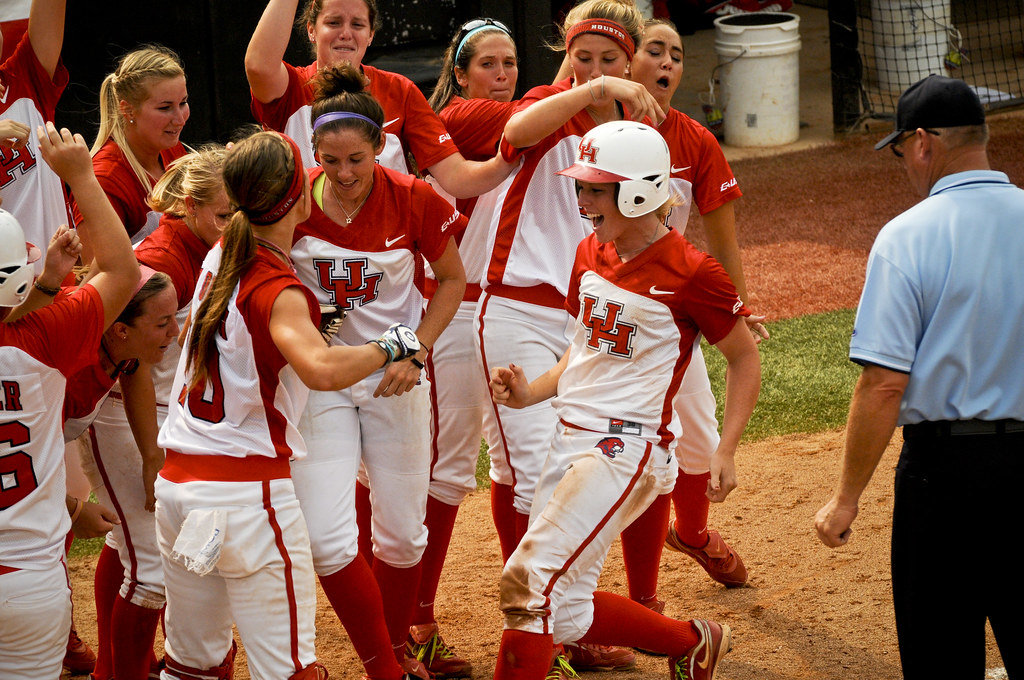
Social groups can be based on shared interests, common purpose, mutual affection or simply being in the same situation. They can have common goals such as friends who want to travel to Europe together or a sports team that wants to win a championship.
Shared Identity
Groups can create a sense of belonging and members may identify with the group. This is the strongest for durable groups such as a family or nation.
Ingroup & Outgroup
Social groups create distinctions between members of the group, known as ingroup, and member of other groups, known as outgroup. Members may treat ingroup members very differently from outgroup members. This is a common type of social behavior. For example, a sports team may have high comradery amongst ingroup members and have a contentious relationship with other teams that represent an outgroup.
Culture & Norms
Social groups develop shared meaning and practices overtime such as norms and expectations of behavior. This is obviously true of large social groups such as a nation but is also true of smaller groups such as a family or team.
Roles
Social groups can involve roles and responsibilities such as the manager of a team or a parent in a family.
Social Status
Social status is an individual's perceived ranking or position in a social group. It is possible to have high status in one group and low status in another. For example, your status may be different at work than it is on a sports team that you have joined.
Social Support
Social support is the sense that you have people that you can rely upon in life. Social groups such as nations, communities, families and friends can offer social support.
Collective Behavior
Social groups can pool resources, cooperate and pursue common goals. This is how human societies thrive and produce complex services such as a university education and complex things such as technology.
Social Cohesion
Social cohesion is the sense of connectedness and shared purpose of a social group based on trust and solidarity.
Social Conflict
Although groups cooperate and demonstrate social cohesion and mutual support, they will not always agree. Some degree of disagreement is healthy within a group and prevents mindless groupthink. However, it is also common for members of groups to find themselves in conflict with each other. This happens a lot and the social group may help these members to resolve things. In some cases, groups such as friends disband due to unresolved social conflict.
Summary
A social group is any group of people that are bound together by common interests, purpose, goals and/or relationships. Social groups socialize, cooperate and can offer mutual support and understanding. Belonging to social groups is a primary way to meet social needs.
John Spacey. "What is a Social Group? (14 Key Points)." Simplicable. Retrieved November 17, 2026. from https://simplicable.com/society/what-is-a-social-group
Cookies help us deliver our services. You have choices regarding these cookies. Please visit our privacy policy, cookie policy and consent tool to learn more.
Copyright 2002-2026 Simplicable. All rights reserved. This material may not be published, broadcast, rewritten, redistributed or translated. Report violations here.