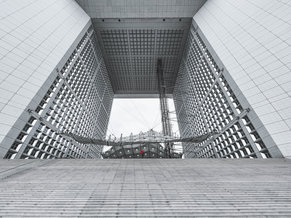
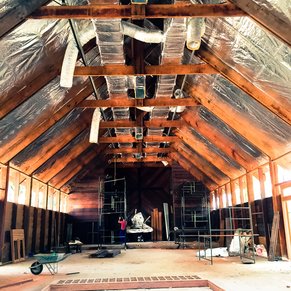
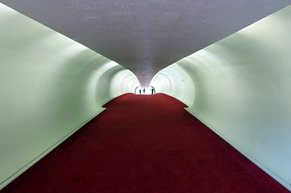
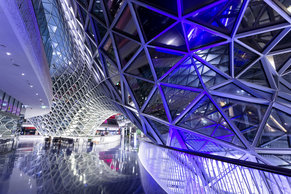
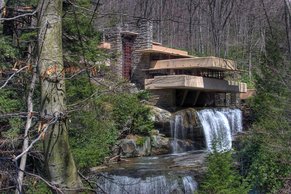
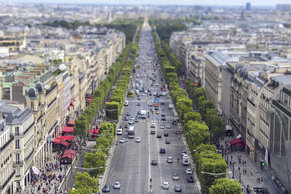
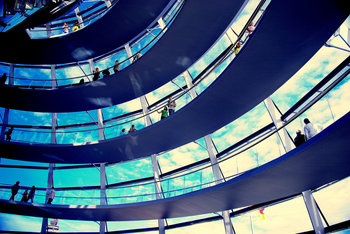
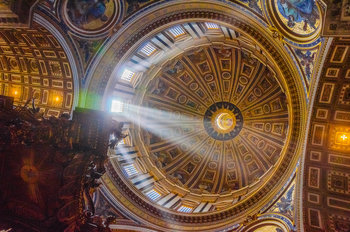
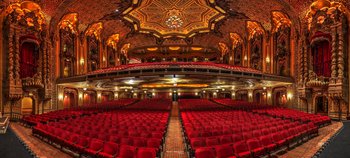
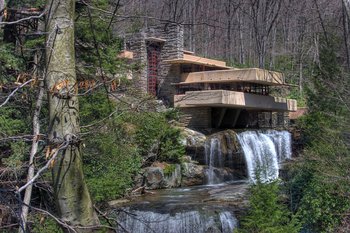
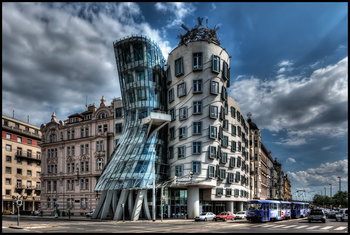
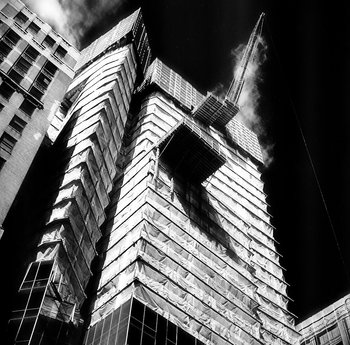
Form follows function is an architectural principle that states that the shape or form of a building or structure is dictated by its function. It is considered a defining characteristic of modern architecture. Taken to its extreme, form follows function is a design philosophy that suggests that the role of architecture is to define structure and not aesthetics. This tends to result in rectangular forms with little or no ornamentation. Form follows function can be considered the defining force of much of the architecture produced from 1945 to 2010s.Form follows style is the driving force behind classic and postmodern architectural styles that seek an aesthetic ideal or effect. It may sacrifice functionality in the name of art. Form follows style is associated with brave forms and ornamentation that are unnecessary unless you happen to believe that art has value even if its not logical.It should be noted that form over function doesn't preclude style, it just prioritizes functionality. Much modern architecture is valued for its style.
Form Follows Function vs Form Follows Style
Form Follows Function
Form Follows Style
Definition
Functionality as the primary goal of an architectural design.
Aesthetics as the primary goal of an architectural design.
John Spacey. "Architecture: Function vs Style." Simplicable. Retrieved November 17, 2026. from https://simplicable.com/architecture/form-follows-function-vs-form-follows-style
Cookies help us deliver our services. You have choices regarding these cookies. Please visit our privacy policy, cookie policy and consent tool to learn more.
Copyright 2002-2026 Simplicable. All rights reserved. This material may not be published, broadcast, rewritten, redistributed or translated. Report violations here.