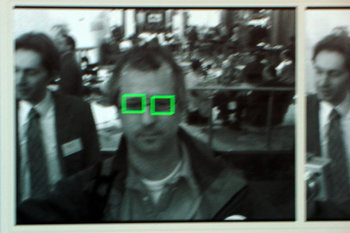
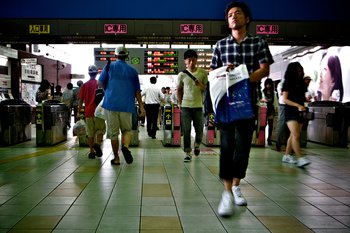
Smart city is a common term for the use of information technology to manage city services, infrastructure and facilities. The term is commonly applied to pervasive computing and big data techniques that involve installing large numbers of sensors such as cameras and microphones across a city. Sensors generate a great deal of data that may be directly used by police to monitor a city. In other cases, sensor data isn't used by local law enforcement directly but is potentially shared with the policing and security agencies of a nation.Increasingly advanced techniques, particularly in the area of artificial intelligence, allow sensor data such as video to be analyzed to identify individuals and attempt to interpret their state of mind or motivations. This analysis can theoretically be feed to predictive analytics to attempt to determine if an individual is likely to commit a crime.Such levels of monitoring and analysis may have a chilling effect on a city as people feel their every action is being watched, scored and permanently archived by their local and national government.It should be noted that smart city technology is a broad category of information technology tools. Not all these tools collect data that is personally identifiable.
Information technology used by a city that captures personally identifiable information such as video and voice data.
Risks
Misuse of data to violate human rights.Loss of personally identifiable data in information security incidents.A chilling effect on freedom that decreases quality of life in a city.
Risk Mitigation
Smart city technologies that avoid collecting personally identifiable information.Full disclosure on how data is collected, used and retained.
Cookies help us deliver our services. You have choices regarding these cookies. Please visit our privacy policy, cookie policy and consent tool to learn more.
Copyright 2002-2026 Simplicable. All rights reserved. This material may not be published, broadcast, rewritten, redistributed or translated. Report violations here.