



Goods & Services
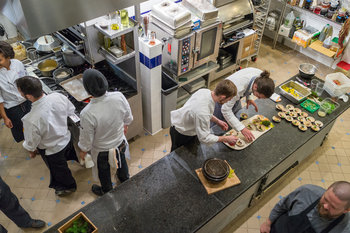
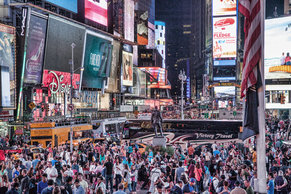
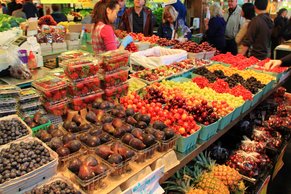
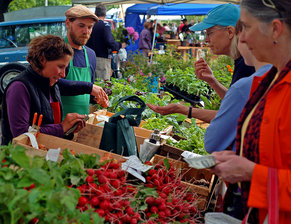
Goods are tangible things made by humans that have value. Services are offerings that do something for customers. Together goods and services meet the material needs of populations. Goods and services are mostly provided by the private sector where competition improves things like quality. It is also common for the government to provide certain types of services that are viewed as above the profit motive such as education.Air Conditioners | Automobiles |
Bags | Banking Services |
Beverages | Bicycles |
Books | Building Materials |
Business Services | Cameras |
Clothing | Communication Services |
Construction Services | Consulting |
Cosmetics | Courts and Legal Services |
Delivery Services | Design Services |
Digital Media | Education |
Electricity | Electronics |
Emergency Medical Services | Entertainment |
Event Venues | Eyewear |
Fire Departments | Flights |
Food | Fuel |
Furniture | Gardening Supplies |
Government Services | Health Supplements |
Healthcare Services | Hotels |
Household Fixtures | Insurance |
Jewelry & Watches | Laptops |
Leisure Services | Libraries |
Magazines | Medical Devices |
Musical Instruments | Paint |
Personal Services | Pharmaceuticals |
Police Services | Postal Services |
Professional Services | Public Transportation |
Refrigerators | Rental Properties |
Restaurants | Retail Service |
Shoes | Smartphones |
Social Media | Software Services |
Sporting Events | Stationery |
Surgical Instruments | Technology Platforms |
Tools | Washing Machines |
Economic Activities
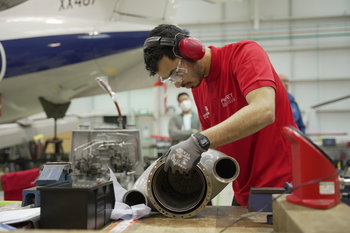
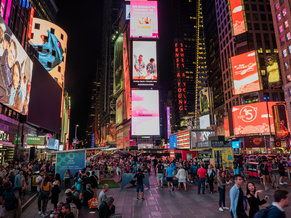
Economic activities are the things we do to create value, distribute it or consume it. This isn't always direct. For example, getting an education or studying for a test is an economic activity because this is building up your future economic potential. Here we need to be careful not to be cold whereby we look at things that are human as being all about money. For example, art is an economic activity but more importantly it is an element of culture.Advertising | Borrowing |
Budgeting & Forecasting | Construction |
Dining | Employment |
Energy Production | Environmental Protection |
Exporting | Farming |
Fishing | Gaining Work Experience |
Getting a Job | Going on a Trip |
Importing | Investing |
Job Interviews | Law Making |
Layoffs & Downsizing | Lending |
Logistics & Distribution | Manufacturing a Product |
Market Research | Marketing |
Mining | Negotiating a Contract |
Paying Taxes | Producing and Sharing Media |
Product Design | Providing a Service |
Public Administration | Pursuing an Education |
Quitting a Job | Recruiting |
Recycling | Renting an Apartment |
Research & Development | Resignation |
Resource Conservation | Retirement |
Returning a Product | Saving |
Self-Employment | Selling |
Setting Government Policies | Shopping |
Taking Out Insurance | Tax Collection |
Training | Waste Management |
Writing a Review |
Factors of Production
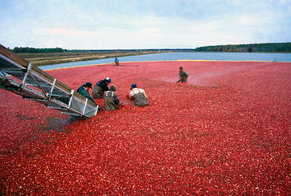
The factors of production are the things that are employed to produce goods and services. The traditional factors of production are land, labor, physical capital and entrepreneurship. Entrepreneurship is the creative force that imagines future value and takes risks to make it happen.Entrepreneurship | Financial Capital |
Human Capital | Infrastructure |
Labor | Land |
Natural Resources | Physical Capital |
Raw Materials | Social Capital |
Economic Infrastructure
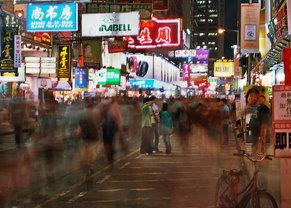
Economic infrastructure are foundational services that are important to economic activity. For example, if we didn't have roads or internet connections much economic production, distribution and consumption would suddenly breakdown. As such, efficient economic infrastructure is required by advanced modern economies to function properly.Airports | Banking Infrastructure |
Bridges | Commercial Buildings |
Data Centers | Educational Institutions |
Electrical Grids | Government Buildings |
Healthcare Facilities | Housing Infrastructure |
Internet Infrastructure | Logistics Networks |
Natural Infrastructure | Nursing Homes |
Payment Systems | Pedestrian Infrastructure |
Ports | Power Generation Plants |
Public Transportation Systems | Railways |
Research Labs | Retail Infrastructure |
Roads | Roadside Facilities |
Satellites | Social Infrastructure |
Sports and Entertainment Facilities | Stock Markets |
Technology Infrastructure | Telecommunications Networks |
Tourism Infrastructure | Trade Infrastructure |
Tunnels | Warehousing Facilities |
Wastewater Treatment Facilities | Water Supply Systems |
Waterways |
Economic Policies
Capitalist systems are based on free markets but this completely goes off the rails without government regulation and support. For example, without regulations monopolies would emerge such that competition would breakdown and capitalism would basically no longer function. Government policy also provides basic economic management such as monetary policy that sets interest rates in response to economic conditions.Agricultural Policy | Building Standards |
Competition and Anti-Monopoly Policy | Consumer Protection |
Education Policy | Energy Policy |
Environmental Policy | Financial Regulations |
Fiscal Policy | Health Policy |
Immigration Policy | Industrial Policy |
Industry Regulations | Labor Regulations |
Minimum Wage | Monetary Policy |
Public Debt Policy | Public Procurement Policy |
Rural Development Policy | Tax Policy |
Trade Policy |
Economic Conditions
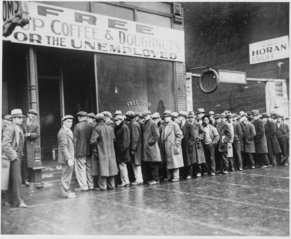
Economic conditions describe the economic environment at a point in time. For example, a period of economic growth with low unemployment and low inflation. Economic conditions can also be problems such as a recession, inflationary period or financial crisis.Balance of Payments | Budget Deficits |
Business Confidence | Capital Flight |
Commodity Prices | Consumer Confidence |
Consumer Spending | Currency Depreciation |
Deflation | Depression |
Economic Growth | Economic Recession |
Exchange Rates | Financial Crises |
Foreign Direct Investment | Government Debt |
Housing Market Conditions | Hyperinflation |
Inflation | Interest Rates |
Investment Levels | Monetary Supply |
Political Instability | Poverty |
Productivity Levels | Stagflation |
Stock Market Performance | Trade Deficits |
Trade Wars | Unemployment |
Wage Growth |
Summary
Economic things are aspects of life that are related to the production, distribution and consumption of value. This touches on many areas of life and overlaps with things such as education and culture that are also important elements of the human experience that can't be measured in terms of money alone.