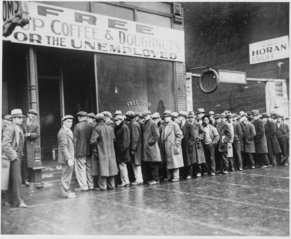
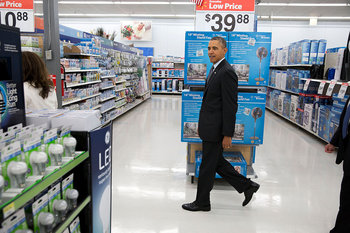
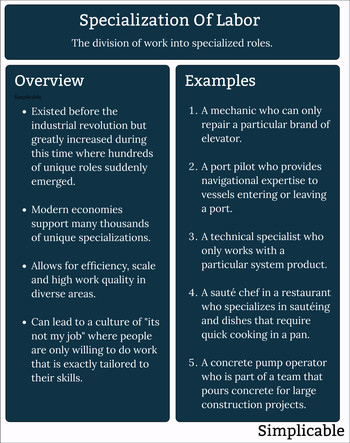
An economic outcome is the financial result of a policy, program, effort, investment, social change or historical event. This can be used to analyze and critique the results of changes that have already occurred. Economic outcomes can also be used as goals and targets for programs, policies, services and initiatives of change. The following are common economic outcomes.
Access to capital
Access to credit
Balance of payments
Bankruptcies
Business investment rates
Consumer confidence
Consumer spending
Cost of living
Costs
Credit conditions
Debt levels
Debt-to-GDP
Debt-to-income ratio
Direct foreign investment
Economic growth
Educational attainment
Employment and unemployment rate
Exchange rates
Financial security
Foreclosures
GDP
Home ownership rates
Housing cost burden
Income
Income distribution
Income gap
Inflation or deflation
Investment returns
Job security
Labor force participation rate
Market prices
Net worth
Occupational status
Poverty
Price levels
Productivity rates – value produced in an hour of work
Rates of insurance coverage
Recessions
Retirement savings
Revenue
Savings rates
Small business failure rate
Social mobility
Standard of living
Trade balance
Underemployment rate
Wage gap
Wage growth
Wages
Wealth
Economic outcomes such as income levels are closely tied to social outcomes. For example, poverty creates a large number of issues in areas such as food insecurity, access to housing and access to education.
15 Shares
Economics
This is the complete list of articles we have written about economics.
Cookies help us deliver our services. You have choices regarding these cookies. Please visit our privacy policy, cookie policy and consent tool to learn more.
Copyright 2002-2026 Simplicable. All rights reserved. This material may not be published, broadcast, rewritten, redistributed or translated. Report violations here.