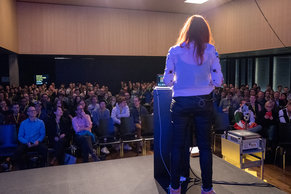
Communication trends are rapid changes to how people exchange meaning and information over time. This includes change to media, group communication, individual expression, language and social interaction. Communication trends are driven by technological, social and cultural change and are often adaptations to new challenges and opportunities. The following are examples of communication trends ranked by how often they were mentioned in social media in the US in the past year.
Most Discussed (117)
Fastest Growing (117)
Rank
Topic
Mentions
1
Live Streaming
478,010,900
2
Less Screen Time for Kids
145,450,900
3
Deepfakes
112,340,850
4
Ghosting
52,140,500
5
AI Slop
44,463,450
6
Attention Economy
1,740,200
7
Content Overload
1,650,750
8
Dark Woke
472,150
9
Notification Fatigue
273,500
10
Content Paywalls
265,900
11
Outrage Economy
220,550
12
News Fatigue
144,100
13
Influencer Cynicism
120,800
14
Interactive Storytelling
101,250
15
Synthetic Disinformation
97,600
16
Trust Drain
88,700
17
Digital Noise
87,400
18
Engagement Farming
83,400
19
Algorithmic Polarization
73,200
20
Misinformation Arms-Race
71,500
21
Micro-Influencer
69,900
22
Virtue Signaling Backlash
61,950
23
Crowd-sourced Fact Checking
57,050
24
Scroll Exhaustion
52,000
25
Truth Decay
49,500
26
Digital Comparison Burnout
48,100
27
Nudges
47,600
28
Information Dieting
47,200
29
Influencer Collaborations
46,600
30
Digital Detox
44,850
31
Credibility Erosion
44,300
32
Transparency Cynicism
43,200
33
Viral Trend Backlash
39,200
34
Authenticity Over Aesthetic
37,700
35
Community Moderation
36,450
36
Reality Watermarking
36,100
37
Context Collapse
34,500
38
Influencer Overexposure
33,250
39
Backlash Awareness
31,200
40
Social Proof Loop
30,500
41
Viral Challenge Backlash
30,300
42
Influencer Fatigue
29,000
43
Self-censorship
28,100
44
Choice Architecture
27,800
45
Influence Devaluation
25,600
46
Attention Fragmentation
24,850
47
Crisis Overload
22,700
48
Attention Scarcity
22,400
49
Trust Through Transparency
22,100
50
Reciprocity Triggers
21,300
51
Brand Overexposure
19,400
52
Performative Debate
18,600
53
Mirror & Match
18,100
54
Content Noise Crisis
17,600
55
Urgency Without Pressure
16,900
56
Authenticity Policing
16,800
57
Fake Expert Fatigue
16,350
58
Content Authenticity Policing
16,000
59
Over-Sharing
15,200
60
Subscriptions Over Clicks
14,600
61
Data Storytelling
14,450
62
Story Format Saturation
14,300
63
Overbranding
14,200
64
Computational Propaganda
13,500
65
Consolidated Reporting
12,800
66
Algorithmic Favoritism
12,150
67
Employee-Generated Content
12,000
68
Verification Culture
11,700
69
Micro-Yes Ladder
11,550
70
Scroll Spiral
11,200
71
Speak Less Feel More
9,700
72
Authenticity Paradox
9,600
73
Messaging Over Email
9,500
74
The 10-Second Story
9,250
75
Focus Mode
9,100
76
Push Notification Aversion
9,050
77
Audio-First Culture
8,800
78
Notification Minimalism
8,500
79
Meeting-Free Days
8,350
80
Emoji/Sticker Exhaustion
8,200
81
Social Proof Saturation
7,900
82
Translate Everything
7,850
83
Fiction and Reality Blur
7,750
84
Micro-Targeting Pushback
7,700
85
Algospeak
7,250
86
Long-Form Revival
7,000
87
Algorithmic Censorship
6,950
88
Offline Social Resurgence
6,900
89
Narrative Hijacking
6,200
90
Content Homogenization
6,150
91
Collective Memory Erosion
6,100
92
Uncurated Life
5,900
93
Internal Influencers
5,600
94
Echo Chamber Spiral
5,500
95
Signal over Noise
5,200
96
Digital Watercoolers
4,800
97
Ephemeral Influence
4,700
98
Decline of Email
4,450
99
Corporate Speak Cynicism
4,300
100
Decentralized Attention
4,100
101
Interactive Audio
4,050
102
Intentional Presence
4,000
103
Information Scarcity in Plenty
3,950
104
Async First Culture
3,500
105
Relevance Compression
3,400
106
Gamification of Communication
3,250
107
Over-Personalization Backlash
3,200
108
Decision-Only Meetings
3,100
109
Reputation Inflation
2,450
110
Pulse Surveys
2,400
111
Silent Collaboration
2,300
112
Synthetic Influencers
2,100
113
Truth Debt
1,850
114
Nano-Celebrities
1,600
115
Cross-Team Storytelling
1,300
116
No-Reply Policies
1,100
Rank
Topic
Mention Growth
1
AI Slop
1188%
2
Backlash Awareness
790%
3
Uncurated Life
528%
4
Nano-Celebrities
330%
5
Influencer Overexposure
303%
6
Trust Through Transparency
289%
7
Translate Everything
288%
8
Speak Less Feel More
275%
9
Decision-Only Meetings
256%
10
Content Authenticity Policing
243%
11
Reputation Inflation
211%
12
No-Reply Policies
211%
13
Cross-Team Storytelling
210%
14
Async First Culture
207%
15
Notification Minimalism
196%
16
Authenticity Paradox
187%
17
Silent Collaboration
180%
18
Offline Social Resurgence
175%
19
Content Noise Crisis
167%
20
Synthetic Influencers
165%
21
Digital Watercoolers
155%
22
Algorithmic Favoritism
145%
23
Ephemeral Influence
145%
24
Influencer Fatigue
133%
25
Long-Form Revival
125%
26
Over-Personalization Backlash
118%
27
Authenticity Policing
114%
28
Fiction and Reality Blur
112%
29
Scroll Spiral
109%
30
Audio-First Culture
105%
31
Signal over Noise
100%
32
Meeting-Free Days
95%
33
Attention Fragmentation
80%
34
Attention Scarcity
80%
35
Computational Propaganda
78%
36
Content Homogenization
77%
37
Interactive Storytelling
75%
38
Focus Mode
75%
39
Algorithmic Censorship
75%
40
Deepfakes
67%
41
Algospeak
67%
42
Messaging Over Email
66%
43
Employee-Generated Content
62%
44
Consolidated Reporting
57%
45
Interactive Audio
57%
46
Community Moderation
56%
47
Dark Woke
55%
48
Data Storytelling
53%
49
Relevance Compression
51%
50
Micro-Influencer
48%
51
Pulse Surveys
48%
52
Influencer Collaborations
46%
53
Over-Sharing
46%
54
Reality Watermarking
45%
55
Outrage Economy
44%
56
Digital Detox
43%
57
Echo Chamber Spiral
43%
58
Social Proof Saturation
42%
59
Content Paywalls
41%
60
Verification Culture
41%
61
Intentional Presence
41%
62
Narrative Hijacking
39%
63
Subscriptions Over Clicks
38%
64
Context Collapse
37%
65
Fake Expert Fatigue
37%
66
Engagement Farming
36%
67
Truth Debt
36%
68
Influence Devaluation
34%
69
Overbranding
34%
70
Information Scarcity in Plenty
34%
71
Attention Economy
33%
72
Digital Noise
33%
73
Decentralized Attention
32%
74
Authenticity Over Aesthetic
31%
75
Crisis Overload
31%
76
Credibility Erosion
30%
77
Viral Challenge Backlash
30%
78
Story Format Saturation
29%
79
Ghosting
28%
80
Synthetic Disinformation
28%
81
Viral Trend Backlash
28%
82
Content Overload
27%
83
Scroll Exhaustion
27%
84
Self-censorship
27%
85
Brand Overexposure
27%
86
Digital Comparison Burnout
26%
87
Nudges
25%
88
The 10-Second Story
25%
89
Algorithmic Polarization
24%
90
Decline of Email
24%
91
Micro-Yes Ladder
23%
92
Misinformation Arms-Race
22%
93
Internal Influencers
22%
94
Transparency Cynicism
21%
95
Social Proof Loop
21%
96
Notification Fatigue
19%
97
Choice Architecture
19%
98
News Fatigue
18%
99
Mirror & Match
18%
100
Micro-Targeting Pushback
18%
101
Reciprocity Triggers
17%
102
Collective Memory Erosion
17%
103
Information Dieting
16%
104
Push Notification Aversion
16%
105
Emoji/Sticker Exhaustion
16%
106
Influencer Cynicism
15%
107
Crowd-sourced Fact Checking
15%
108
Urgency Without Pressure
15%
109
Live Streaming
14%
110
Virtue Signaling Backlash
14%
111
Less Screen Time for Kids
12%
112
Performative Debate
12%
113
Gamification of Communication
12%
114
Corporate Speak Cynicism
11%
115
Trust Drain
10%
116
Truth Decay
10%
A few definitions for some of the newer or more obscure terms above:Dark WokeThe cynically performative or manipulative use of social justice that creates confusion about what is sincere activism.Outrage EconomyMedia that hypes outrage and controversy for profit.Engagement FarmingUsing deceptive or inauthentic tactics on social media to artificially inflate metrics like likes, comments and shares.Scroll ExhaustionCognitive fatigue from the constant visual stimulation of scrolling through media.Reality WatermarkingEmerging techniques for stamping or labeling content as human-made.Context CollapseContent that gets published to unintended audiences who don't understand its context. For example, posting pictures of a party on social media for your friends but your relatives and employer also see it.Backlash AwarenessWhat is trendy today in media and communication may suddenly face a backlash tomorrow. As such, awareness of backlashes is important if you're in media. For example, customers may love personalized messages one year and the next turn against them because they get flooded with too many.Influence DevaluationThe sense that influence isn't as valuable as it once was due to factors such as oversaturation of social media and growing audience skepticism towards influencers.Attention FragmentationThe splintering of user attention across countless apps, feeds, formats and communities.Reciprocity TriggersCommunication tactics that prompt users to respond or engage because they feel that you have done them a favor.Brand OverexposureAudiences that get tired of a brand because they are seeing it everywhere. Mirror & MatchAligning yourself to another person's vibe, attitude and option in order to influence them.Content Noise CrisisOverproduction of low quality content that essentially becomes noise that can drown out higher quality works and messages.Urgency Without PressureCreating a positive sense of urgency without pushing your audience. Authenticity PolicingThe growing tendency for audiences to call creators out for insincerity, performative behavior or AI slop.Algorithmic FavoritismAlgorithms that preferentially boost certain viewpoints or formats without transparency.Verification CultureEmerging culture for verifying what is real in a flood of AI slop.Micro-Yes LadderAn influencing technique that gets others to agree to something easy first and then escalate to agreeing to more and more.Audio-First CultureA shift in communication habits towards audio such as voice messaging, podcasts and hands-free interfaces.Social Proof SaturationA ecosystem where everyone looks popular and connected such that this starts to feel meaningless.AlgospeakContent creators that can't use words effectively banned by algorithms so they use similar words. One of the many ways that algorithms crush human creativity and expression.Content HomogenizationOver-optimized media environments where everyone copies what works until everything looks the same. Collective Memory ErosionPeople are consuming media so fast that there is less time for discussing it with others and developing shared experiences around it.Uncurated LifeThe principle that you not create an image of yourself for others but rather just live your life and let people think what they will.Digital WatercoolersVirtual meetings at work that are used to socialize with coworkers the way that you would in a break room at an office.Ephemeral InfluenceA world where influence lasts only a short time due to intensive media competition and audiences that are constantly moving on to the next big thing.Information Scarcity in PlentyThe irony that it can be harder and harder to find information such as confirming a fact despite modern information rich environments. For example, paywalls that ensure the poor have an information disadvantage.Async First CultureTeams that develop a culture of collaborating with asynchronous messaging instead of real-time meetings. Allows for remote work across time zones.Relevance CompressionThe tendency for content to be viewed as fresh for shorter and shorter times. For example, modern audiences that view a two year old video as some type of bizarre artifact from the distant past.Silent CollaborationCollaborating without many meetings or messages.Truth DebtThe idea that telling a lie is a debt to the future whereby you may have to face some consequences later.
Summary
Communication trends are rapid changes to the way that people communicate including personal, group and media communications. These are often adaptations that people have made to cope with technological, social and cultural change. Communication trends are also strongly driven by the intensive competition that exists in media industries.
5 Shares
Communication
This is the complete list of articles we have written about communication.
Cookies help us deliver our services. You have choices regarding these cookies. Please visit our privacy policy, cookie policy and consent tool to learn more.
Copyright 2002-2026 Simplicable. All rights reserved. This material may not be published, broadcast, rewritten, redistributed or translated. Report violations here.