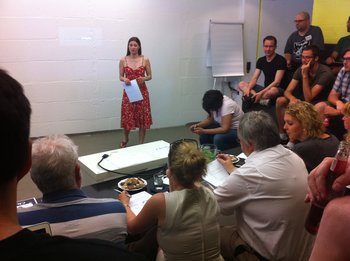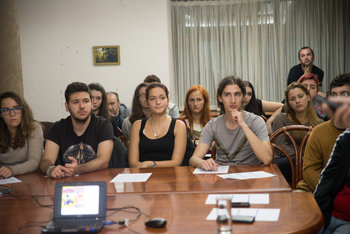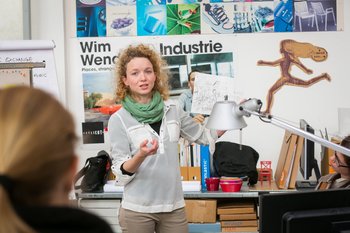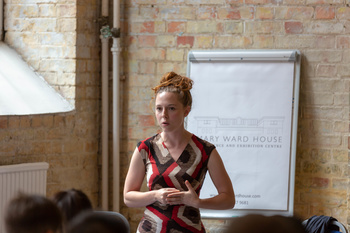






Verbal Communication
Verbal communication is any exchange of meaning using words. Technically speaking, this includes both spoken and written words but people tend to think of verbal communication as being spoken. As we think with words and use words to understand complex abstract concepts, this is a foundational type of communication.Conversations | Phone calls |
Voice messages | Classroom lectures |
Radio broadcasts | Panel discussions |
Debates | Political speeches |
Oral storytelling | Court testimony |
Announcements over an intercom | Meetings |
Podcasts | Speeches |
Presentations | Gossiping |
Nonverbal Communication
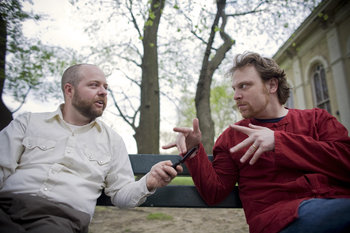
Nonverbal communication is the exchange of meaning with behavior such as body language, facial expressions, posture, gestures and eye contact. This comes naturally to people and is also a cultural thing that is a learned behavior. For example, people learn to "read" others whereby we use social cues to try to understand what others mean and what they may be thinking and feeling.Eye contact | Eye rolling |
Folded arms | Smiling |
Frowning | Leaning forward in interest |
Tapping fingers impatiently | Waving hello or goodbye |
Shrugging shoulders | Standing close |
Standing back | Pointing to indicate direction |
Pursed lips in disapproval | Avoiding eye contact |
Nodding | Raised eyebrows in surprise |
Written Communication
The use of written words. This includes everything from quick text messages that may be highly abbreviated to complex works such as books. Written words are recorded and are often intended to be read and referenced later. Although spoken and written communication are both based on words, these tend to be very different because spoken communication is so often spontaneous and unplanned whereas there is often opportunity to edit, correct and restructure written messages and works.Text messages | Email |
Essays | Newspaper articles |
Notes | Resumes |
Letters | Company memos |
Diary entries | Blog posts |
Press releases | Books |
Research papers | Policy documents |
Product labels | White papers |
Visual Communication
Visual communication is the use of images, symbols, colors and other visual elements to convey meaning. This can include obvious examples such as a slide in a presentation and less obvious everyday communication such as fashion that may be used to convey meaning about things like identity, mood or occasion.Presentation slides | Charts |
Graphs | Movies |
Vlogs | Maps |
Art | Fashion |
Tattoos | Museum exhibits |
Signs | Uniforms |
Product packaging | Logos |
Visual symbols such as flags | User interfaces |
Formal Communication
Formal communication is the exchange of information that is documented, carefully worded and aimed at achieving specific goals or outcomes. This is used to convey important information that people need such as safety instructions. Formal communication is also used in serious or highly meaningful situations such as a job interview or wedding.Business emails | Job application letters |
Resumes | Company policies |
Safety instructions | Performance reviews |
Meeting agendas | Meeting minutes |
Business proposals | Academic essays |
Research papers | School report cards |
Invoices | Wedding vows |
Award acceptance speeches | Diplomatic correspondence |
Religious sermons | Retirement speeches |
Letters of recommendation | Political speeches |
Tax documents | Formal apologies |
Informal Communication
The casual, spontaneous, and unofficial exchange of meaning between people. This typically occurs in personal, social and relaxed environments that aren't particularly serious or deeply symbolic. Informal communication is direct and efficient whereby you can share ideas quickly. It can also be comfortable and may include enjoyable elements such as humor.Chatting with friends | Text messaging |
Family meals | Chatting online |
Small talk with neighbors | Gossiping |
Lunch with coworkers | Informal feedback or advice |
Casual greetings | Birthday wishes |
Casual discussions | Informal negotiations |
Informal mentoring | Talking to your kids |
Thanking someone | Jokes between friends |
Interpersonal Communication
The exchange of meaning between two or more people. This can occur online and you don't need to be in the same place. The defining characteristic here is that interpersonal communication is interactive such that everyone can actively contribute.Conversations | Meetings |
Mentoring | Coaching |
Face-to-face negotiation | Asking for directions |
Feedback from a teacher | Customer service interactions in a store |
Apologizing face-to-face | Debates |
Parties | Going on a date |
Intrapersonal Communication
Intrapersonal communication is the process of communicating with oneself. This includes foundational mental processes such as internal dialogue and reflection. Language likely emerged as a means to communicate to others but appears to have become important to our very thinking processes themselves.Internal dialogue | Self-talk |
Reflection | Thoughts based on words |
Mental rehearsal | Talking to yourself silently |
Keeping a diary for yourself | Writing notes for your use |
Visualizing ideas on paper for yourself | Writing a to-do list |
Self-motivation and encouragement | Replaying past conversations in your head |
Group Communication
The process of sharing meaning as a group. This includes complex processes such as group decision making, cooperation and collaboration. This may require structure such as roles and responsibilities.Team meetings | Group projects |
Friends planning a trip | Community meetings |
Organizing a protest | Volunteer groups |
Committee meeting | Study groups |
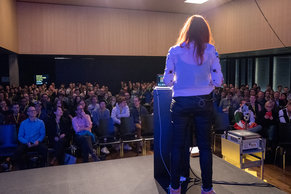
Planning meeting | Public speaking |
Club meetings | Workshop |
Panel discussion | Team huddle |
Town hall meeting |
Social Communication
Social communication considers the complexities of social interactions, relationships and perceptions. This also considers things like norms, social context and how people may be thinking and feeling at a point in time. Any advanced communication such as influencing or humor tends to be highly social.Small talk | Greeting someone |
Asking questions | Giving compliments |
Introducing yourself | Making introductions |
Media communication | Group conversations |
Constructive criticism | Responding to criticism |
Providing feedback | Leading teams |
Networking | Influencing others |
Conflict resolution | Expressing empathy |
Asking for help | Expressing interest |
Politeness | Reading someone's mood |
Reading the room whereby you sense the mood of groups | Building rapport |
Media Communication
Media communication is the use of tools to reach a relatively large audience. This can include traditional media such as a book or newspaper and digital media such as social media or vlogs. Media communication massively influences culture, politics, society and global events. This has many issues such as monopolies that effectively control what media people are most likely to see.News broadcasts | TV shows |
Streaming Media | TV commercials |
Billboards | Digital Advertising |
Newspaper articles | Podcasts |
Movie trailers | Social media posts |
Music videos | Product reviews online |
Summary
Communication is traditionally the exchange of meaning between people. In the modern context, this also includes the communication of meaning to people by systems, platforms and technologies. In other words, communication between people and machines. Communication is largely based on language and this language is so useful that we use it in our own internal mental processes to think.