Media is a means of communicating. This includes traditional media such as a newspaper and digital media such as a podcast. Media plays a fundamental role in a modern society as infrastructure for economic, political, social and cultural processes. The following are the primary reasons that media is important.
Freedom of Speech
Digital media provides a voice to anyone who wants to reach the world with a message. Where media isn't heavily censored it enables freedom of speech which is a basic human right.
Learning
Media makes information and learning resources available to the masses. It has potential to provide inexpensive and universal access to institutions such as universities that are currently highly exclusionary.
Research
Media makes research papers available, although often behind a paywall. It is also a powerful tool of research. For example, access to primary sources of information such as an interview on a podcast.
Empowerment
The ability to communicate to others empowers the masses. For example, it allows you to criticize a power structure such as a monopoly or government and have your message spread.
Political Engagement
Social media and other forms of media that allow anyone to post such as vlogs, podcasts and blogs have vastly increased political engagement and the depth of conversations that go on about political issues.
Transparency
Media allows governments, organizations and institutions to provide transparency to the public. For example, a government that publishes the salaries and other compensation of public employees.
Accountability
It is possible to use media to create accountability for corporations and governments. For example, using media to expose unfair contracts and commercial practices of a monopoly that controls an industry.
Social Connectivity
The ability to stay in touch with family, friends and your professional network. Digital media also provides ways to engage with people in your community, profession, industry or people with similar interests.
Global Awareness
Traditional media such as newspapers were quite local and provided only selected and limited information about the world. Digital media allows people to engage directly with people in different countries and to consume media such as news across borders.
Economic Opportunity
Digital media provides inexpensive or free ways to promote a business and provides economic opportunity to people with little capital required. For example, a podcast can be created with little expense and published to the world. This can be contrasted with the expense that was historically required to start a radio station that produces similar content to a podcast.
Economic Impact
Media is critical to massive industries such as technology, entertainment, retail and advertising. All industries use media for communications. As such, media is viewed as basic economic infrastructure that is required for a modern economy.
Social Change
Digital media creates massive amounts of social change whereby new ideas spread quickly and more rapidly gain acceptance. This is destabilizing but can also bring social progress.
Cultural Transmission
Media transmits culture such as music, traditions and language. Digital media has led to explosive growth in subcultures whereby people with similar interests can more easily connect and plan events.
Crisis Management
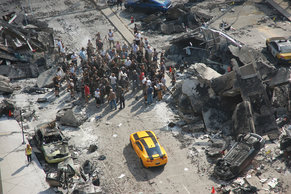
Media is important for sharing information in a disaster or other crisis. It can also be an avenue of misinformation during a crisis.
Summary
Media is the way that information is shared in a modern society. This is important to learning, education, economic production, politics, society and culture as basic infrastructure for communication.
John Spacey. "Why Media Is Important (14 Key Points)." Simplicable. Retrieved November 18, 2026. from https://simplicable.com/en/why-media-is-important
Cookies help us deliver our services. You have choices regarding these cookies. Please visit our privacy policy, cookie policy and consent tool to learn more.
Copyright 2002-2026 Simplicable. All rights reserved. This material may not be published, broadcast, rewritten, redistributed or translated. Report violations here.