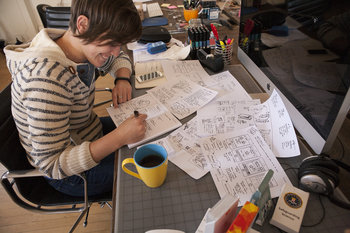
Packaging design is the graphical, informational and functional design of packaging. The graphics of a package represent brand and product positioning and can influence sales and perceptions of quality. Likewise, information on packaging can increase sales and reduce customer dissatisfaction issues by explaining how to use a product including its limitations. The functional design of packaging includes protecting the product and usability for the customer such as a package that can be resealed. The following are common elements of package design.
Branding
Closure mechanism
Counterfeiting prevention
Design for merchandising
Design for security
Design for storage
Design for transport
Design to cost
Easy to open
Environmental impact
Form factor
Legal disclosures
Look & feel
Material selection
Package resilience
Package usability
Packaging accessories
Packaging inserts
Packaging testing
Printing
Product information
Product name
Product positioning
Product variant
Promotional variations
Regulatory compliance
Resealability
Safety warnings
Sales pitch
Seals & certifications
Seasonal variations
Shelf-life
Surface finishes
Tampering prevention
Unboxing experience
Weight considerations
Form factor is the type of package such as a box or bottle.
Overview
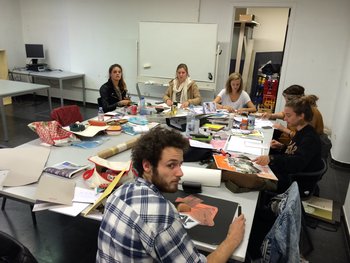
Packaging design is a cross-functional effort that includes graphical, marketing, informational, structural, compliance and functional considerations.
Summary
Packaging design includes elements of graphical design, marketing and engineering whereby products are design to sell and represent a brand but also are functional.
Cookies help us deliver our services. You have choices regarding these cookies. Please visit our privacy policy, cookie policy and consent tool to learn more.
Copyright 2002-2026 Simplicable. All rights reserved. This material may not be published, broadcast, rewritten, redistributed or translated. Report violations here.