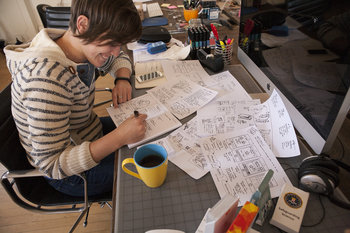
Design characteristics are the properties and attributes of a design. These can be used as a checklist to develop requirements for a design. Design characteristics can also be used by designers to improve the quality and professionalism of work outputs. The following are common design characteristics.
Accessibility
Cohesion – elements fit together
Color scheme
Compliance
Configurability
Consistency
Contrast & emphasis
Cost
Customization options
Ease of maintenance
Ease of use
Emotional appeal
Environmental impact
Error handling
Explorability & navigability
Features
Flexibility and versatility
Functionality
Gamification elements
Health & safety
Human error prevention
Iconography
Illustrations, photographs & other media
Information architecture
Information density – amount of information per screen
Interoperability
Languages
Layout & composition
Learnability
Look & feel
Materials
Narrative
Negative space
Performance
Personalization
Productive to use
Quality
Readability
Reliability
Repairability
Responsiveness
Reusability
Scalability
Scale and proportion
Security
Sense & sensation
Shape & form
Style
Typography
Unity – sense that elements belong together
Usability
User engagement
Variety
Visual appeal
Visual balance
Visual cues
Design characteristics include design principles such as visual balance and cohesion that are considered basic expectations for a professional design.
19 Shares
Design Considerations
This is the complete list of articles we have written about design considerations.
Cookies help us deliver our services. You have choices regarding these cookies. Please visit our privacy policy, cookie policy and consent tool to learn more.
Copyright 2002-2026 Simplicable. All rights reserved. This material may not be published, broadcast, rewritten, redistributed or translated. Report violations here.