A service is a good that is mostly based on intangible value. Services are produced and consumed simultaneously and represent an experience or activity that benefits the customer.
Customer Needs
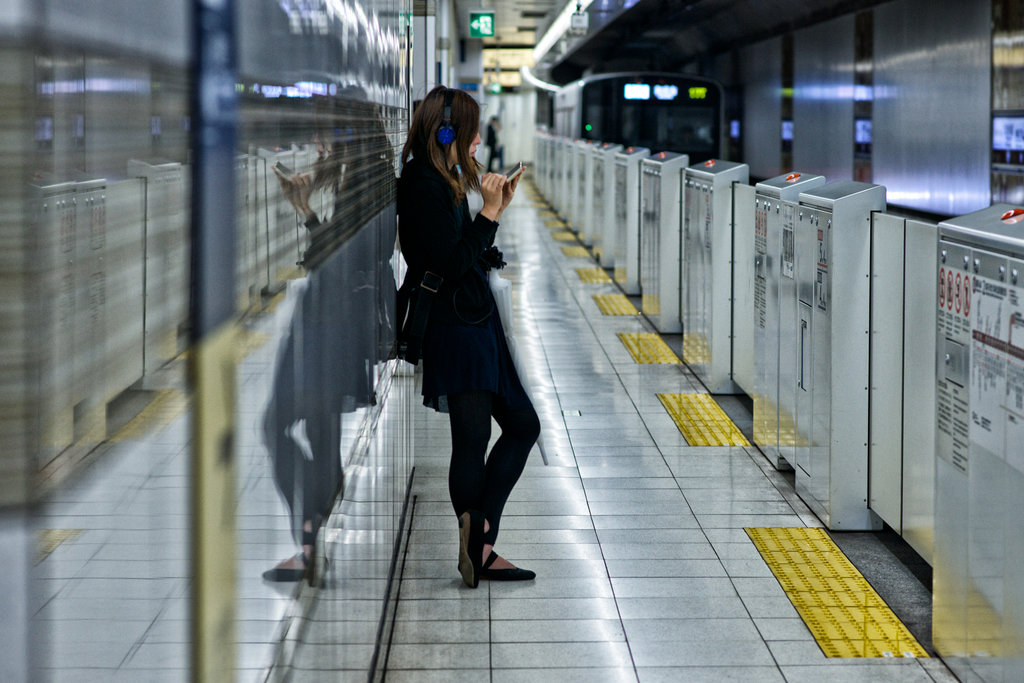
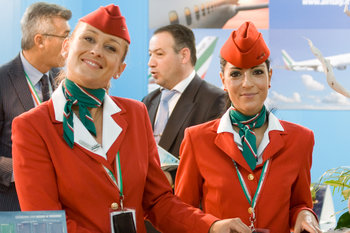
A service fulfills a customer need. This is how the service creates value for the customer. For example, a flight that gets customers where they need to go.
Intangible Value
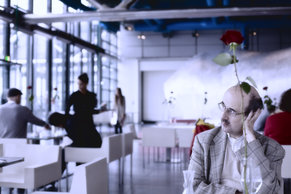
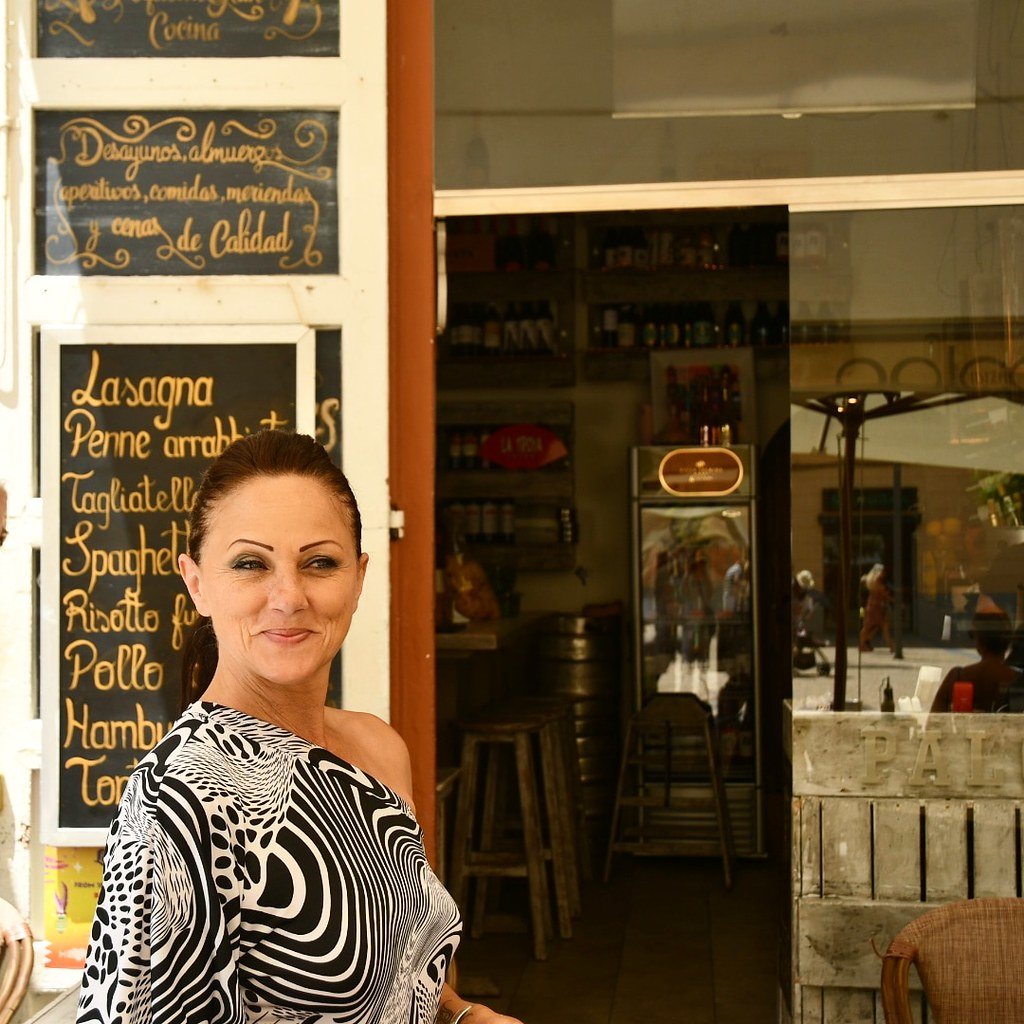
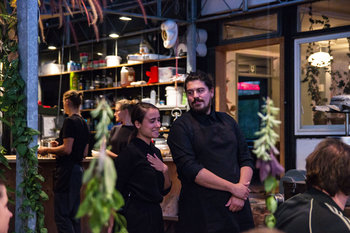
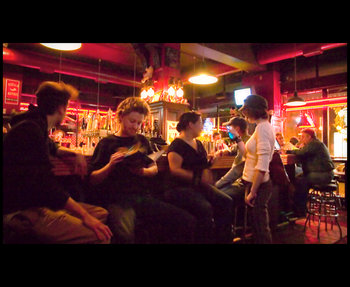
Services create mostly intangible value that has no physical presence. For example, a cafe offers an experience and an environment to socialize, relax or work. These intangible things are viewed as the primary value offered by a cafe.
Tangibles
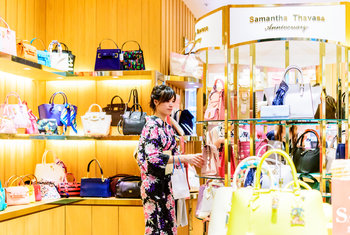
Service tangibles are physical aspects of the service. The primary value offered by a service is intangible but this doesn't mean they can't also provide you with physical products such as the food at a restaurant. Another tangible aspect of a service is the environment where the service takes place such as the decor and ambiance of a restaurant.
Perishable & Inseparable
Services occur at a point in time and expire. They can't be stored for later. For example, a seat on a flight, table in a restaurant or night in a hotel room. Sellers view this as inventory that expires.
Non-transferable
Services are traditionally viewed as non-transferable meaning that they can't be resold. However, there are numerous modern exceptions to this as it is common to resell digital services.
Customer Involvement
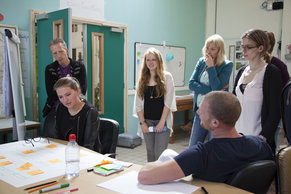
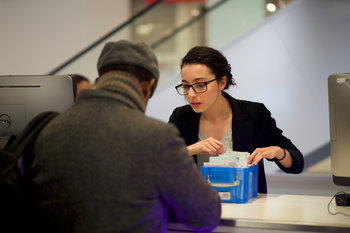
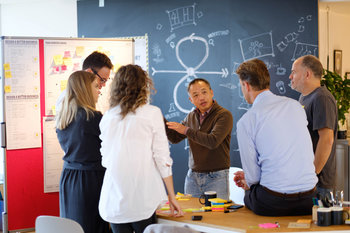
Customers engage with a service, interact with it and possibly participate in creating it. For example, a dance class where senior members play a role in training new members.
Experiences
Services represent an experience from the customer perspective. Customers will judge the quality of a service by how they feel about the experience.
Lack of Ownership
Unlike products, customers do not own a service. This includes a model known as product as a service whereby customers pay a recurring fee to use a product as opposed to buying it. This may come with value-added services such as maintenance and support. For example, a car subscription service that allows you to use cars for occasional road trips without worrying about maintenance.
Digital Services
Services that are fully digital such as a cloud computing service for businesses or an online video game for consumers.
Subscription Services
Services with recurring fees such that you subscribe to them. This is very attractive as a business model as recurring revenue adds up. Many things that were traditionally purchased as products such as music is now more often consumed as a subscription service.
Brick-and-mortar Services
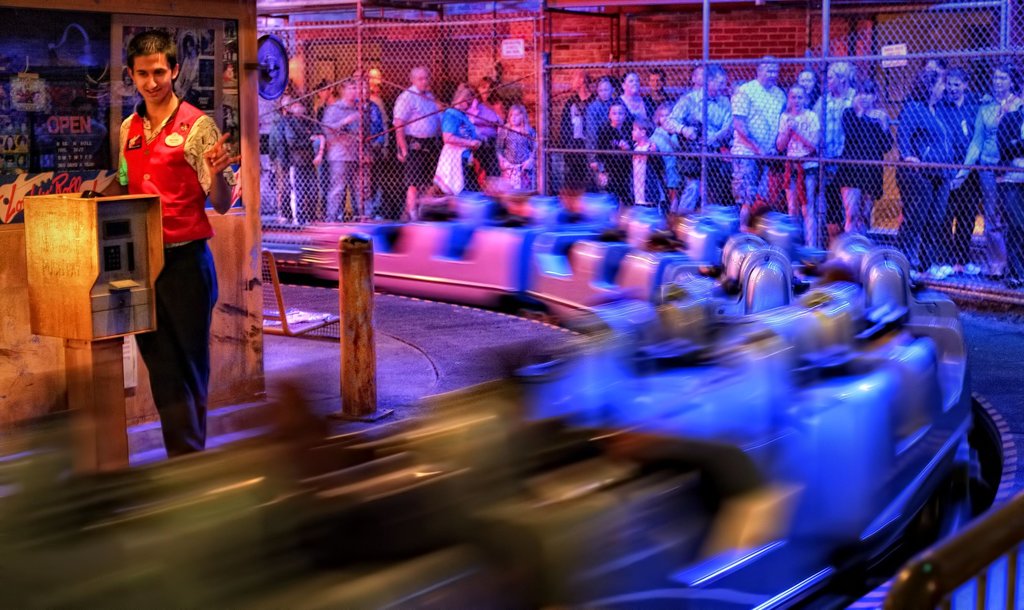
Services that have a physical location such as a hotel. It is common for modern services to be multi-channel with both physical and digital elements. For example, a theme park where you try to book attractions with an app.
High Touch
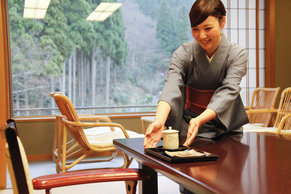
High touch services are services that require human attention and labor. This is a common way to make your service more premium and luxurious in a world where customers are often pushed to use self-service digital tools devoid of human interaction. For example, traditional restaurants with staff who will take time with each table.
Summary
Services are market offerings that are primarily based on intangible value such as an experience, benefit, activity or outcome. This includes consumer services such as a restaurant and business services such as consulting.
Cookies help us deliver our services. You have choices regarding these cookies. Please visit our privacy policy, cookie policy and consent tool to learn more.
Copyright 2002-2026 Simplicable. All rights reserved. This material may not be published, broadcast, rewritten, redistributed or translated. Report violations here.