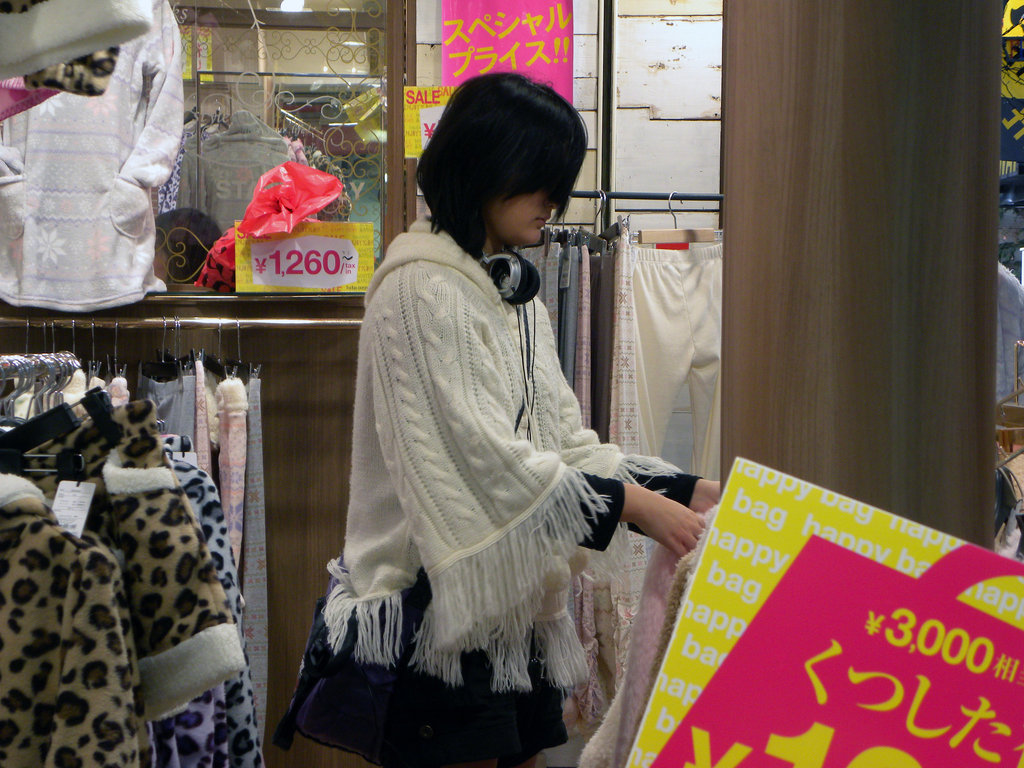
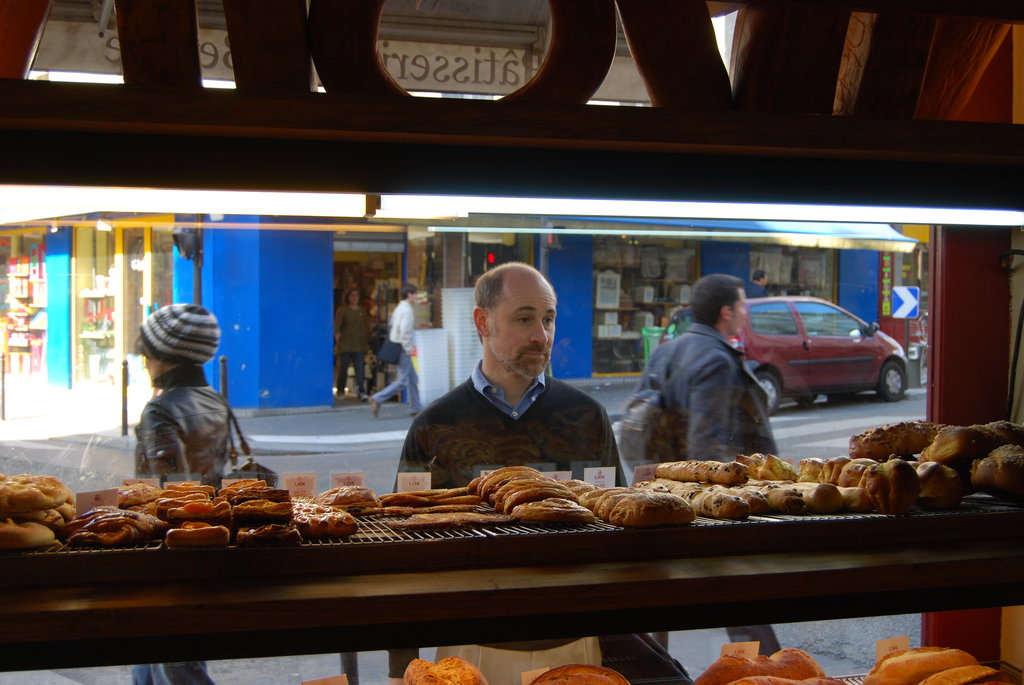
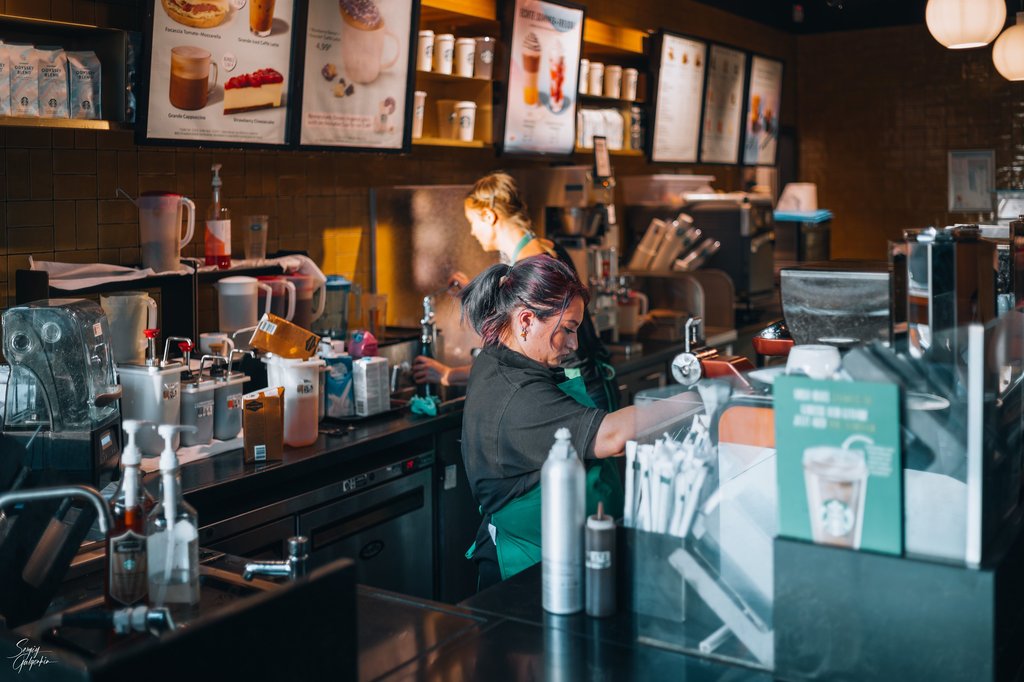
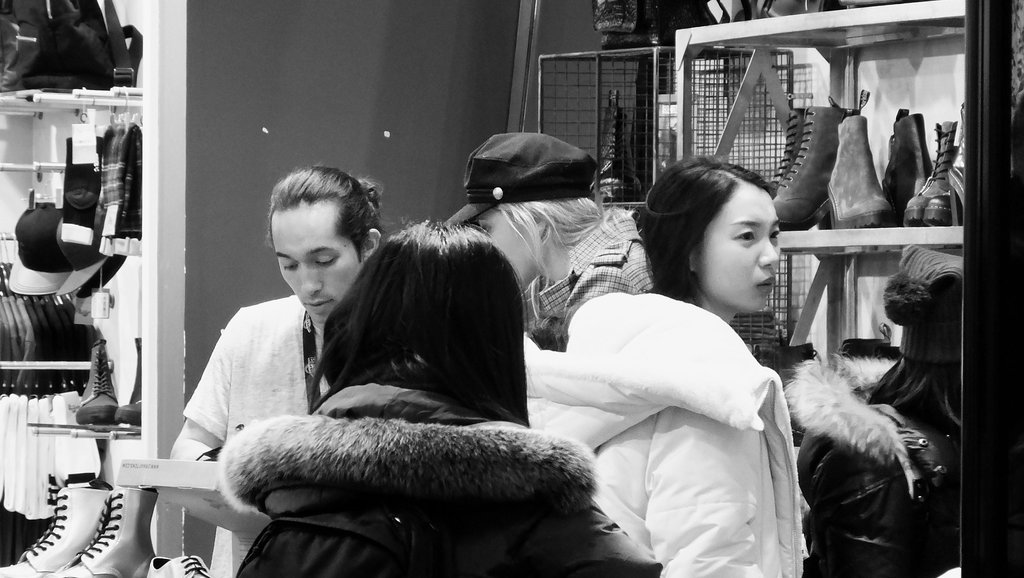
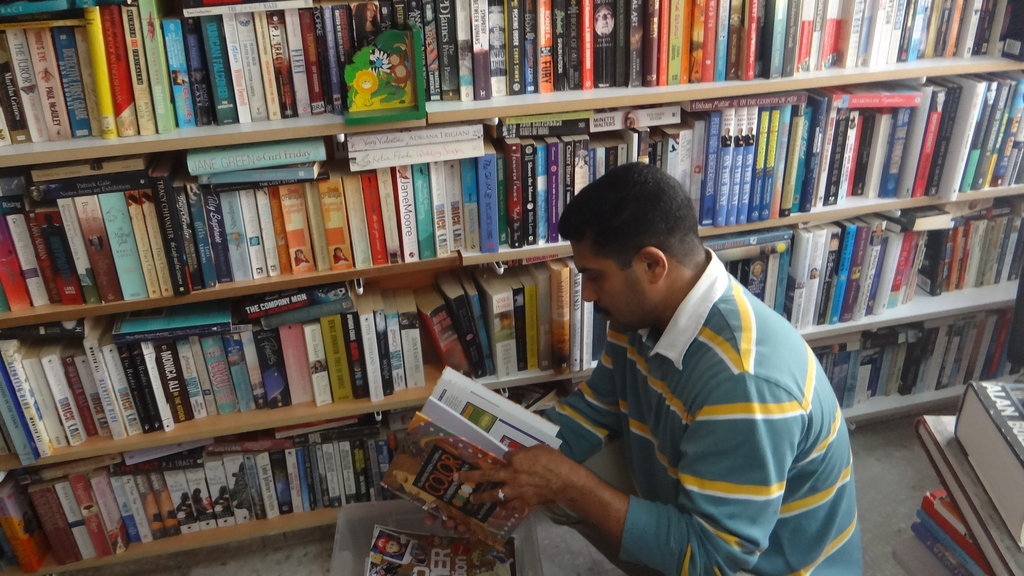
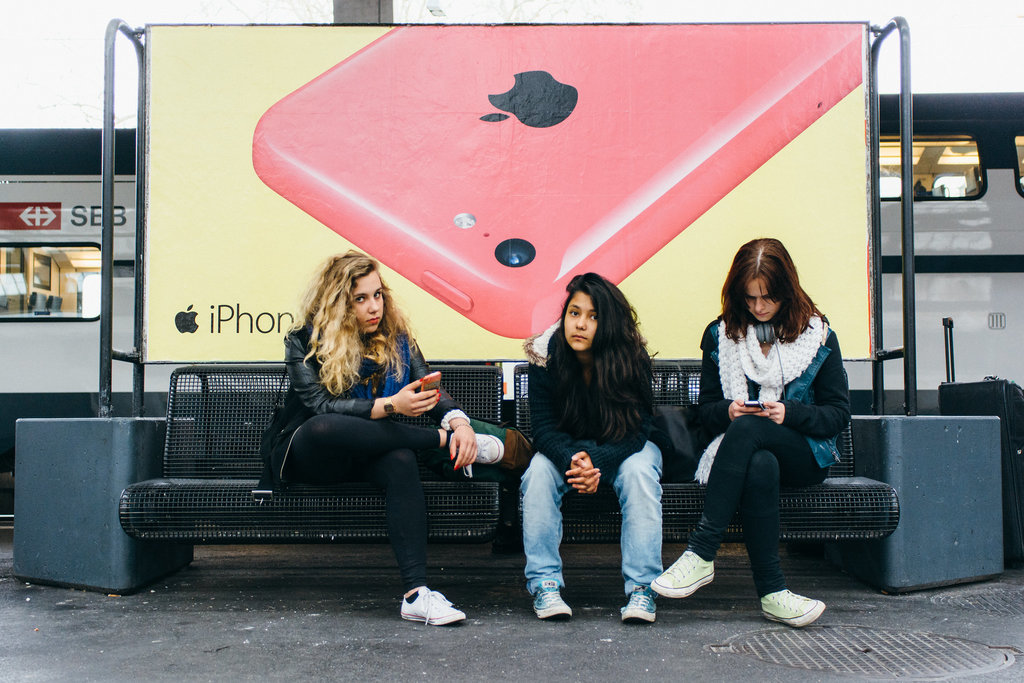
A product is a tangible good that has value to customers. This can be contrasted with services that are primarily based on intangible value. Products have several important characteristics:
Finished Goods
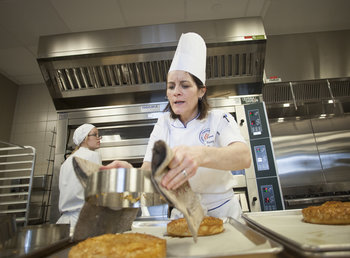
Products are finished goods that are purchased by the end-customer. Unfinished goods can have value but aren't products. For example, wheat is a commodity and bread made with wheat is a product.
Customer Needs
Products meet a customer need. This is how they create value for the customer. For example, flowers have value because customers appreciate them for their aesthetic qualities and because they are a traditional type of gift.
Tangibility
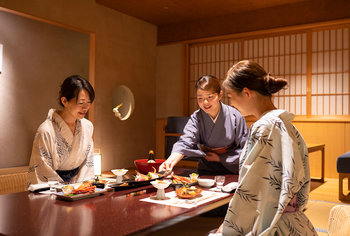
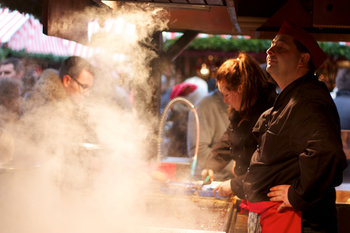
Products have a tangible presence. This is the primary difference between a product and a service with the latter based on intangible value such as an experience or an outcome. The difference here can be subtle. For example, a restaurant with table service is viewed as a service but food or beverages that you take-out is more of a product.
Digital Products
Traditionally, a tangible thing was more or less equivalent to a physical thing. However, in the modern world we can view digital things as being somewhat tangible. For example, if you buy an item for a character in a digital game, this has the exact properties of a product except that the item is only tangible within the game world.
Value Proposition
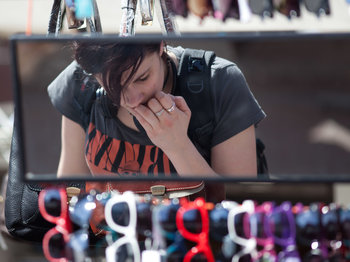
A value proposition is how a product stands out from the competition in a crowded market. In order to actually sell, a product needs to have more than value -- it has to have more value than the competition for a customer. For example, a bicycle that is stylish, colorful, light, durable and a good price.
Ownership
When you sell a product, ownership transfers to the customer. This is another difference with a service that transfers no ownership.
Transferable
As a customer owns a product, they generally have the right to sell it. This opens up problems such as resellers that may purchase your products and resell them at a higher price. Likewise, your product may be sold as a used item.
Branding
Products are generally sold under a brand name that gives them a unique identity on the market. Brands that are relatively unknown are viewed as "off-brand" whereby they are perceived as having generic or low quality. As such, in order to be successful most products need to be associated with some brand.
Quality
Product quality is the real world value of the product to the customer. Customers may purchase an item hoping that it is durable, reliable, secure, useful and stylish and may be either satisfied or dissatisfied with the purchase -- this level of satisfaction is the quality of the product.
Customer Experience
Customer experience is how the customer feels about every interaction with your company, brand and your products. For example, how usable a product is or how quickly an order arrives. Generally speaking, product reviews and word of mouth are based on this total experience and not just product quality.
Customer Support
Customers can reasonably expect some level of support for a product. This may include being able to return purchases. The complexity and cost of supporting products is an important consideration if you are considering to market your own products.
Regulations & Standards
Products often must comply with regulations and standards in order to be sold on a market. This can be based on government laws and regulations or industry practices that are required by partners such as retailers.
Summary
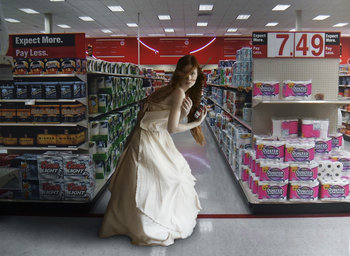
Products are physical things that meet a customer need that are sold on competitive markets. The customer owns a product after purchasing it and can often resell it. This can be contrasted with services that occur at a point in time, can't be owned by the customer and are based on intangible value.
Notes
In practice, it is common in marketing to refer to a service as a product. There is also much overlap between products and services. For example, a car may be sold as a product or rented out as a service.Next read: Types of Product
Cookies help us deliver our services. You have choices regarding these cookies. Please visit our privacy policy, cookie policy and consent tool to learn more.
Copyright 2002-2026 Simplicable. All rights reserved. This material may not be published, broadcast, rewritten, redistributed or translated. Report violations here.