Personal beliefs are things that an individual holds to be true. These can include values, political beliefs, social beliefs, cultural beliefs, purpose, meaning and philosophies that an individual adopts. Personal beliefs can be outlooks that you inherently feel or principles that you adopt after much thought and reflection. The following are common examples of personal beliefs.
Personal Values
Standards of behavior or ways of living that an individual holds as important. For example, an individual who values willpower -- the ability to make tough choices to do what you know you should do.
Values that relate to people, relationships, community and society in general. For example, the principle of live and let live that calls for tolerance and not worrying about how other people want to live their life.
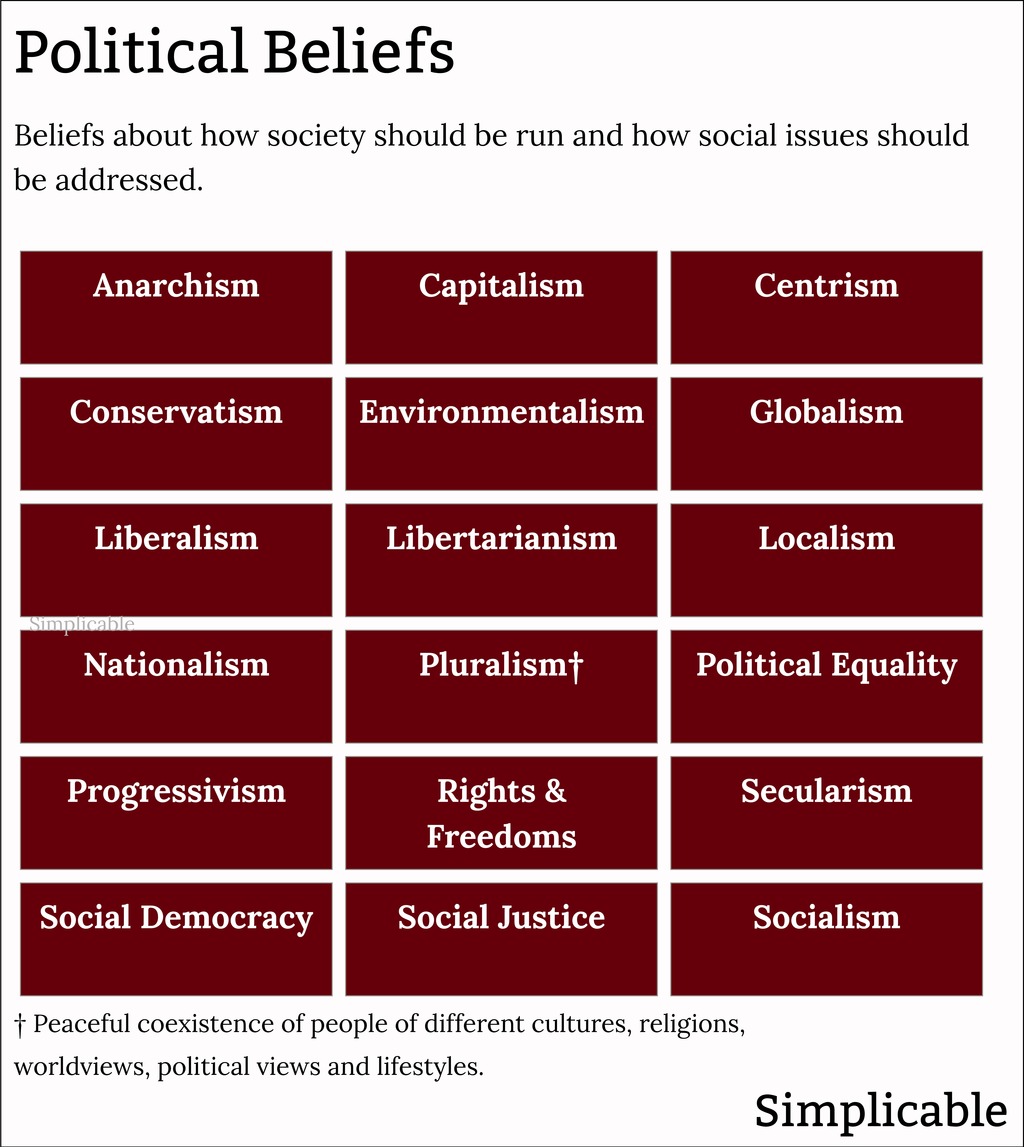
Beliefs regarding how society should move forward and accomplish shared goals. This includes views on how the government should be run and how social issues should be addressed. Political beliefs tie to fundamental feelings about change, personal responsibility and solidarity.
The pursuit of purpose and meaning in your life. This can include values, priorities and intentions that you establish for yourself to give your life direction.
Moral Beliefs
Beliefs regarding questions of right and wrong. These can be based on a framework such as a religion, philosophy or code of ethics. People may feel that certain moral beliefs are intuitive and obvious but may also face moral dilemmas which require much reflection.
Cultural Beliefs
Beliefs that are transmitted by culture including person to person interaction and cultural experiences such as film, music or art. For example, gaining a strong sense of collectivism or individualism based on the cultural environment where you grew up.
Philosophical Beliefs
Beliefs related to fundamental questions such as the nature of existence and meaning of life. For example, existentialism that views the universe as more or less absurd such that it is up to each individual to make their life meaningful.
It may be strange to say, but personal beliefs don't have to be strictly true. In some cases, people hold beliefs that are pragmatic in that they aren't completely true but create positive real world outcomes. This can be contrasted with realistic beliefs whereby you are concerned with the accuracy of your beliefs over their real world impact. For example, if you believe that hard work is rewarded this may be a pragmatic belief because it might inspire you to take on important work and avoid procrastination. However, this belief isn't strictly realistic because hard work isn't necessarily always rewarded.Next read: Personal Attitudes
Cookies help us deliver our services. You have choices regarding these cookies. Please visit our privacy policy, cookie policy and consent tool to learn more.
Copyright 2002-2026 Simplicable. All rights reserved. This material may not be published, broadcast, rewritten, redistributed or translated. Report violations here.