Necessity goods are the last things that customers stop buying when their income declines. Conversely, an individual devotes a lower percentage of their spending to necessity goods as income rises. The following are illustrative examples of a necessity good.
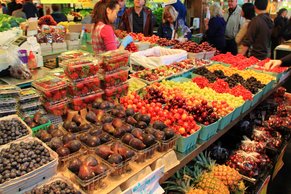
Food
Staple foods and beverages such as bread and coffee.
Utilities
Utilities such as power and water.
Communications
Communications such as internet and mobile phone connectivity.
Housing
Housing costs such as rent. For example, a middle income individual might spend 50% of their after tax earnings on rent. As their income rises, this percentage will tend to decline.
Transportation
Basic forms of transportation such as public transportation or a bicycle.
Medicine
Medical costs such as prescription drugs.
Education
Education may represent an large investment for middle income earners that declines as a percentage of spending as they earn more.
Services
Services such as day-care.
Notes
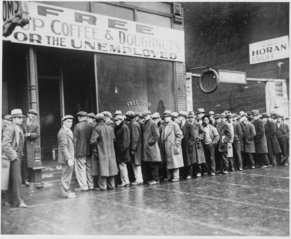
Demand for necessity goods often doesn't decline much during a recession. In theory, demand for necessities can increase in a recession as customers drop luxuries for more basic substitutes. Necessity goods are excluded from taxation in many nations. In this context, definitions of what is an isn't a necessity can be quite complex.
Cookies help us deliver our services. You have choices regarding these cookies. Please visit our privacy policy, cookie policy and consent tool to learn more.
Copyright 2002-2026 Simplicable. All rights reserved. This material may not be published, broadcast, rewritten, redistributed or translated. Report violations here.