Written communication is the expression of meaning using written words and symbols, particularly numbers and punctuation marks. This is done to communicate at a distance using media such as social media and communication tools such as instant messaging apps. Written communication is also used to preserve communication over time in forms such as documents, journals and books. The following are common examples of written communications.
Action Items
Agreements
Applications
Blog Posts
Books
Brochures
Catalogs
Chats
Comments
Contracts
Data Visualizations
Documents
Editorials
Emails
Essays
Financial Statements
Flyers
Forecasts
Forum Posts
Greeting Cards
Handbooks
Infographics
Instructions
Invitations
Invoices
Job Descriptions
Journals
Labels
Learning Materials
Letters
Lists
Logs
Lyrics
Magazines
Mail
Manuals
Meeting Agendas
Meeting Minutes
Memoirs
Memos
Messages
Newsletters
Newspapers
Notes
Order Forms
Performance reviews
Plans
Poetry
Policies
Postcards
Posters
Presentation Slides
Press Kits
Press Releases
Procedures
Product Packaging
Proposals
Questionnaires
Receipts
Recipes
Reports
Request for Proposals (RFP)
Requirements
Research Papers
Research Proposals
Resumes
Reviews
Schedules
Screenplays
Signs
Social Media Posts
Specifications
Spreadsheets
Stories
Studies
Surveys
Tables of Contents
Tables of Data
Tax Returns
Text Messages
Training Materials
Transcripts
Warranties
White Papers
Work Orders
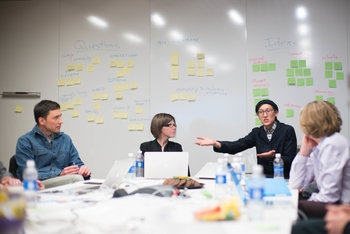
Writing on a Chalkboard or Whiteboard
Written Feedback
Written Requests
As written communications were the first type of communication that could be stored for long periods of time, there is much culture and convention surrounding them. For example, the conventions of book publishing such as book cover art.
There is often a requirement that formal communications such as performance reviews be written.
10 Shares
The following is a guide to the first principles of communication:
Cookies help us deliver our services. You have choices regarding these cookies. Please visit our privacy policy, cookie policy and consent tool to learn more.
Copyright 2002-2026 Simplicable. All rights reserved. This material may not be published, broadcast, rewritten, redistributed or translated. Report violations here.